
Goat Cheese Tartines with Hard Boiled Egg Vinaigrette is an elegant fusion of French-inspired cuisine and fresh, wholesome ingredients. Tartine, a French term for an open-faced sandwich, has a long history in European dining, often gracing tables as a sophisticated yet simple starter or light meal.
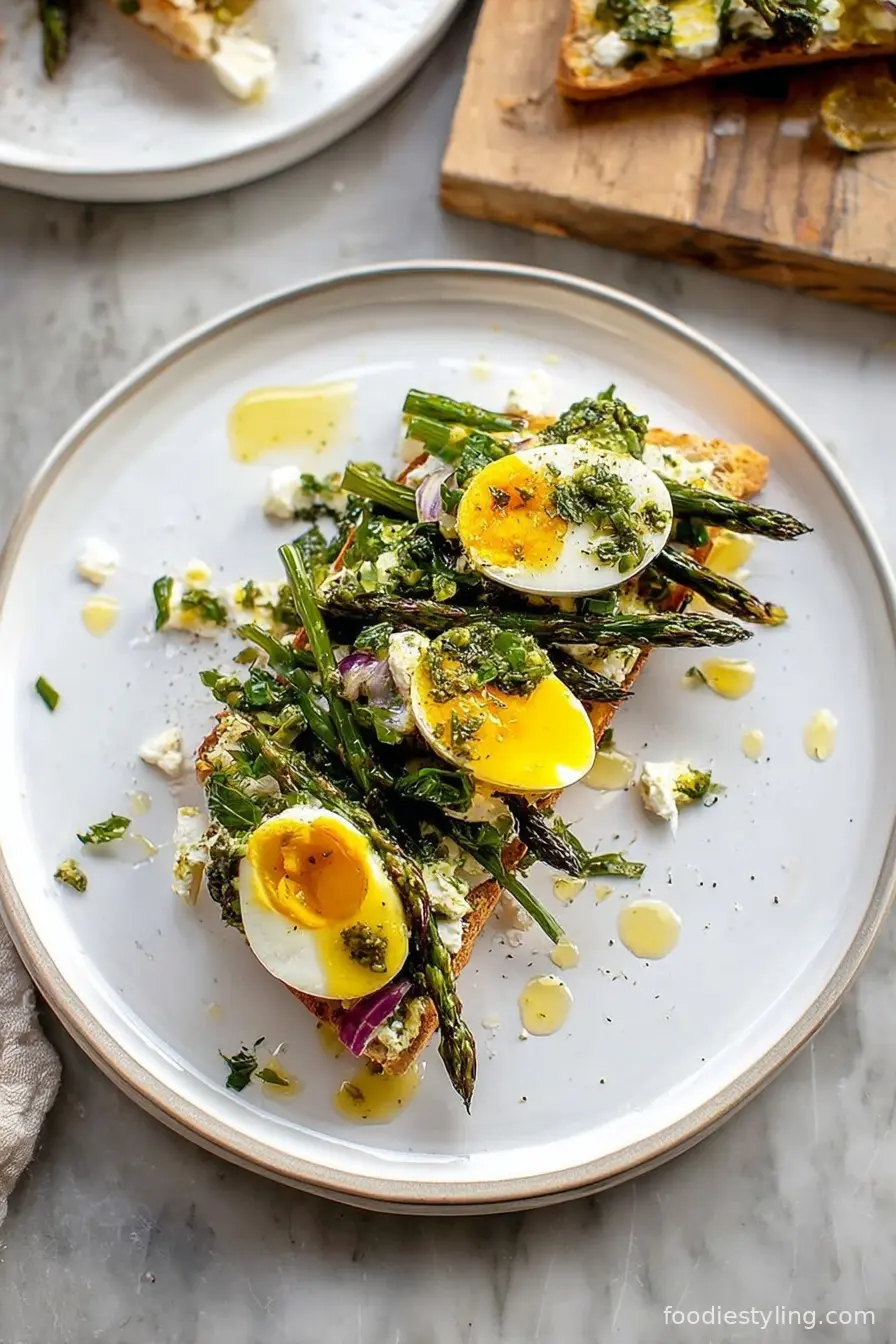
This recipe blends the creamy tang of goat cheese with the rich addition of hard-boiled eggs in a zesty vinaigrette, providing layers of flavor and texture atop rustic, toasted bread.
Perfect for gatherings, brunches, or even as a striking appetizer at dinner parties, these tartines make for a delightful culinary experience. Their versatility and beautiful presentation are matched only by their delicious depth of flavor.
Combining savory elements, fresh herbs, and a hint of bright acidity, this dish showcases the synergy of classic French technique and modern styling.
Whether you’re a seasoned home cook or a beginner looking to impress your guests, Goat Cheese Tartines with Hard Boiled Egg Vinaigrette offer a satisfying, healthy, and visually stunning addition to your repertoire.
By using quality ingredients and simple steps, you can transform humble staples into a showstopper, making this recipe a cherished go-to for anyone who appreciates the marriage of great taste and elegant simplicity.
Ingredients
- 8 slices of rustic country-style or sourdough bread
- 6 ounces creamy fresh goat cheese
- 2 tablespoons whole milk or cream (to soften cheese)
- 2 large eggs, hard-boiled and peeled
- 3 tablespoons extra-virgin olive oil
- 1 tablespoon white wine vinegar or sherry vinegar
- 1 teaspoon Dijon mustard
- 2 tablespoons finely chopped fresh parsley
- 2 tablespoons finely chopped fresh chives
- 1 teaspoon capers, rinsed and minced
- 1 small shallot, finely minced
- Salt, to taste
- Freshly ground black pepper, to taste
- Optional: mixed microgreens or baby arugula, for garnish
Instructions
- To begin, prepare your hard-boiled eggs. Arrange the eggs in a medium saucepan and submerge them fully with cold water. Place the pan over medium-high heat and bring the water to a rapid boil. Once boiling, remove the saucepan from the heat, cover it with a lid, and let the eggs stand undisturbed for 10 to 12 minutes. This method ensures perfectly cooked yolks that are firm yet creamy. Afterwards, carefully drain the hot water and immediately transfer the eggs into a bowl of ice water, allowing them to cool completely for easy peeling and to prevent overcooking.
- While the eggs are cooling, start making the vinaigrette. In a small mixing bowl, combine the extra-virgin olive oil, your choice of white wine or sherry vinegar, and Dijon mustard. Add in the minced shallot, chopped capers, parsley, and chives. Season the vinaigrette with a pinch of salt and a light grind of black pepper. Whisk everything together until the dressing becomes slightly emulsified and the herbs are evenly distributed, giving your vinaigrette a vibrant, aromatic quality.
- Once the eggs are completely cooled and peeled, place them on a cutting board and chop them finely into small pieces. Gently fold the chopped eggs into the prepared vinaigrette, mixing just enough so that the eggs are evenly coated but still retain some texture. This combination crafts a savory, herbaceous topping that will crown your tartines beautifully.
- In a separate bowl, combine the creamy goat cheese with the whole milk or cream. Using a fork or a small whisk, blend the ingredients together until the goat cheese transforms into a smooth, easily spreadable consistency. Softening the cheese in this way ensures it will glide across the toasted bread and mingle harmoniously with the tartine toppings.
- Next, arrange the slices of rustic country-style or sourdough bread on a baking sheet. Toast the bread either in a preheated oven at 350°F (175°C) for about 6 to 8 minutes or using a toaster until they become crisp, golden, and lightly caramelized at the edges. This step provides a sturdy foundation and a delightful crunch that balances the creaminess of the cheese and the richness of the vinaigrette.
- Generously spread the whipped goat cheese mixture over the warm, toasted slices of bread, using the back of a spoon or a butter knife. Aim for an even layer that covers the surface but doesn’t spill over the sides, making sure every bite will feature that trademark creamy tang.
- With the goat cheese layer in place, top each tartine with a generous spoonful of the hard-boiled egg vinaigrette. Allow some of the dressing to soak gently into the goat cheese for added flavor, but make sure you get a nice distribution of the egg and herbs on the surface.
- If desired, finish each tartine with a sprinkle of extra salt and freshly ground black pepper to brighten up the flavors. For a fresh, peppery contrast and visual flourish, garnish with a small handful of microgreens or baby arugula.
- Finally, transfer the completed tartines to a serving platter. For the ideal experience, serve them promptly while the bread is crisp, the cheese is creamy, and the topping is vibrant and fresh.
Nutritional Information
Goat Cheese Tartines with Hard Boiled Egg Vinaigrette offer a pleasing balance between taste, texture, and nutritional benefit. Each tartine serves up high-quality protein from eggs and goat cheese, supporting muscle health and satiety.
Goat cheese is lower in fat and calories compared to many hard cheeses, and it's also known for providing beneficial fatty acids, calcium, and vitamin D—essential for bone health.
Eggs are nutrient-dense, offering vitamins like B12, riboflavin, and selenium, while the addition of fresh herbs (parsley and chives) provides micronutrients and antioxidants. Olive oil contributes heart-healthy monounsaturated fats, and the use of sourdough or rustic bread means more dietary fiber and, depending on your choice, a lower glycemic index.
By using capers and shallots, you also introduce a dose of flavor without additional fat or calories. One serving (approximately one slice) is estimated at around 170–200 calories, with roughly 8 grams of protein, 10–12 grams of fat (mostly healthy fats), and 15–20 grams of carbohydrates.
Garnishes like microgreens or arugula add more potassium and Vitamin K while keeping the calorie count low. This recipe provides a nutrient-rich, balanced snack or starter without excessive heaviness, perfect for mindful eaters.

Wine and Beverage Pairings
A well-chosen beverage can elevate the flavor profile of Goat Cheese Tartines with Hard Boiled Egg Vinaigrette. For wine, consider a crisp Sauvignon Blanc or a light Pinot Grigio, which both complement the tangy goat cheese and fresh herbs.
Champagne or a dry sparkling wine also work beautifully, adding effervescence and brightness to each bite. If you prefer red wine, a chilled Beaujolais or light Pinot Noir is suitable for their low tannins and fruit-forward notes.
Non-alcoholic pairings could include a sparkling lemonade, cucumber-infused water, or a homemade iced herbal tea such as mint or chamomile, all of which balance the dish’s rich, creamy qualities.
Cooking Tips and Variations
Creating perfect Goat Cheese Tartines with Hard Boiled Egg Vinaigrette is about technique, timing, and ingredient harmony. First, ensure your bread slices are thick enough to hold the toppings but not too dense; a rustic country loaf or sourdough brings uniquely complex flavor and a sturdy bite.
For best results, always let your goat cheese come to room temperature before mixing with milk or cream—this makes whipping into a spreadable consistency much easier. If you enjoy extra tang, choose a rich, crumbly variety of goat cheese.
When boiling eggs, a rapid ice bath afterward guarantees easy peeling and prevents that unwanted green ring around the yolk. For a punchier vinaigrette, experiment with sherry vinegar instead of white wine vinegar or add a touch more Dijon.
Feel free to switch up the herbs; finely diced tarragon, dill, or basil would lend appealing twists. Toasting bread in the oven instead of a toaster allows for more control and even crisping—brush with a tad of olive oil for a golden touch.
For more crunch and freshness, add thinly sliced radishes or cucumbers before the vinaigrette topping. These tartines are also wonderful served warm or at room temperature; however, assemble just before serving to ensure the bread remains crisp. Try making mini tartines with baguette slices for party-friendly appetizers.

Serving Suggestions
Goat Cheese Tartines with Hard Boiled Egg Vinaigrette are exceptionally versatile and shine at nearly any occasion. Serve them as a refined appetizer at dinner parties or family gatherings, arranged elegantly on a platter garnished with microgreens or peppery arugula.
For brunches, pair them alongside fresh fruit salads, roasted vegetables, or a light soup for a wholesome, satisfying spread. At casual get-togethers, cut the tartines into halves or quarters and serve as finger food—perfect for snacking.
If you’re hosting an outdoor picnic, these tartines pack well; simply bring the whipped goat cheese, vinaigrette, and toppings separately, then assemble fresh on-site to retain maximum crunch. These tartines make for a nutritious lunch too; a side salad or cup of gazpacho offers a light, balanced meal.
To present them beautifully, drizzle a bit of extra olive oil on the serving plate, sprinkle some fresh herbs around, and offer lemon wedges for a zesty accent. For a more luxurious twist, serve with marinated olives or a selection of fresh cut vegetables.
Always let guests know that the tartines are best enjoyed fresh to experience the interplay of crisp bread, creamy cheese, and vibrant vinaigrette at its peak.
Health Benefits
Goat Cheese Tartines with Hard Boiled Egg Vinaigrette not only taste delightful but also offer a variety of health benefits. Goat cheese, being easier to digest than cow cheese, is often suitable for those with mild lactose intolerance and provides quality protein and calcium for bone maintenance.
Eggs are a powerhouse of nutrition, packed with essential amino acids, choline for brain health, and vitamins such as B12 and D. Fresh herbs like parsley and chives bring antioxidants and chlorophyll, which can support immune health and detoxification.
Olive oil, featured in the vinaigrette, is known for its cardiovascular protective properties, supplying monounsaturated fats that may help reduce inflammation. Choosing rustic or sourdough bread increases fiber intake, which is vital for digestive health and satiety.
Capers and shallots provide a burst of flavor with negligible calories, making the dish vibrant without extra fat or sugar. When enjoyed in moderation, these tartines contribute to a balanced diet, supporting sustained energy, a healthy gut, and overall nutritional diversity.
Frequently Asked Questions
You can prepare the components (whipped goat cheese and hard-boiled egg vinaigrette) a few hours ahead and refrigerate separately. However, assemble the tartines just before serving to maintain the crisp texture of the bread.
Rustic country-style or sourdough bread is ideal as it offers a chewy, flavorful base that holds up to creamy toppings. Avoid overly soft breads which may become soggy quickly.
Goat cheese gives a distinctive tang, but you can substitute with ricotta or whipped feta for a similar creamy texture. Note this will slightly change the flavor profile.
Yes, Goat Cheese Tartines with Hard Boiled Egg Vinaigrette are vegetarian-friendly as they contain no meat or fish products, making them suitable for vegetarian diets.
Absolutely! Feel free to include extras such as sliced radishes, pickled onions, roasted cherry tomatoes, or even a sprinkle of toasted seeds for added crunch and nutrition.
Goat Cheese Tartines with Hard Boiled Egg Vinaigrette blend classic European flavors with a vibrant, contemporary twist, creating a dish that is as eye-catching as it is delicious. This recipe demonstrates how humble ingredients, when thoughtfully combined, can produce memorable flavors and textures suitable for almost any occasion. The creamy tang of goat cheese, the richness of hard-boiled eggs, and the bright, zesty vinaigrette come together on golden toasted bread for a taste experience that delights the senses. Whether served as a festive appetizer, a light lunch, or an impressive party bite, these tartines are guaranteed to please. Embrace the simplicity and versatility of this recipe and enjoy the satisfaction of sharing something wholesome, beautiful, and undeniably tasty with your family and friends.
Ingredients
- 8 slices of rustic country-style or sourdough bread
- 6 ounces creamy fresh goat cheese
- 2 tablespoons whole milk or cream (to soften cheese)
- 2 large eggs, hard-boiled and peeled
- 3 tablespoons extra-virgin olive oil
- 1 tablespoon white wine vinegar or sherry vinegar
- 1 teaspoon Dijon mustard
- 2 tablespoons finely chopped fresh parsley
- 2 tablespoons finely chopped fresh chives
- 1 teaspoon capers, rinsed and minced
- 1 small shallot, finely minced
- Salt, to taste
- Freshly ground black pepper, to taste
- Optional: mixed microgreens or baby arugula, for garnish
Instructions
-
1To begin, prepare your hard-boiled eggs. Arrange the eggs in a medium saucepan and submerge them fully with cold water. Place the pan over medium-high heat and bring the water to a rapid boil. Once boiling, remove the saucepan from the heat, cover it with a lid, and let the eggs stand undisturbed for 10 to 12 minutes. This method ensures perfectly cooked yolks that are firm yet creamy. Afterwards, carefully drain the hot water and immediately transfer the eggs into a bowl of ice water, allowing them to cool completely for easy peeling and to prevent overcooking.
-
2While the eggs are cooling, start making the vinaigrette. In a small mixing bowl, combine the extra-virgin olive oil, your choice of white wine or sherry vinegar, and Dijon mustard. Add in the minced shallot, chopped capers, parsley, and chives. Season the vinaigrette with a pinch of salt and a light grind of black pepper. Whisk everything together until the dressing becomes slightly emulsified and the herbs are evenly distributed, giving your vinaigrette a vibrant, aromatic quality.
-
3Once the eggs are completely cooled and peeled, place them on a cutting board and chop them finely into small pieces. Gently fold the chopped eggs into the prepared vinaigrette, mixing just enough so that the eggs are evenly coated but still retain some texture. This combination crafts a savory, herbaceous topping that will crown your tartines beautifully.
-
4In a separate bowl, combine the creamy goat cheese with the whole milk or cream. Using a fork or a small whisk, blend the ingredients together until the goat cheese transforms into a smooth, easily spreadable consistency. Softening the cheese in this way ensures it will glide across the toasted bread and mingle harmoniously with the tartine toppings.
-
5Next, arrange the slices of rustic country-style or sourdough bread on a baking sheet. Toast the bread either in a preheated oven at 350°F (175°C) for about 6 to 8 minutes or using a toaster until they become crisp, golden, and lightly caramelized at the edges. This step provides a sturdy foundation and a delightful crunch that balances the creaminess of the cheese and the richness of the vinaigrette.
-
6Generously spread the whipped goat cheese mixture over the warm, toasted slices of bread, using the back of a spoon or a butter knife. Aim for an even layer that covers the surface but doesn’t spill over the sides, making sure every bite will feature that trademark creamy tang.
-
7With the goat cheese layer in place, top each tartine with a generous spoonful of the hard-boiled egg vinaigrette. Allow some of the dressing to soak gently into the goat cheese for added flavor, but make sure you get a nice distribution of the egg and herbs on the surface.
-
8If desired, finish each tartine with a sprinkle of extra salt and freshly ground black pepper to brighten up the flavors. For a fresh, peppery contrast and visual flourish, garnish with a small handful of microgreens or baby arugula.
-
9Finally, transfer the completed tartines to a serving platter. For the ideal experience, serve them promptly while the bread is crisp, the cheese is creamy, and the topping is vibrant and fresh.
Approximate Information for One Serving
Nutrition Disclaimers
Number of total servings shown is approximate. Actual number of servings will depend on your preferred portion sizes.
Nutritional values shown are general guidelines and reflect information for 1 serving using the ingredients listed, not including any optional ingredients. Actual macros may vary slightly depending on specific brands and types of ingredients used.
To determine the weight of one serving, prepare the recipe as instructed. Weigh the finished recipe, then divide the weight of the finished recipe (not including the weight of the container the food is in) by the desired number of servings. Result will be the weight of one serving.
Did you make this recipe?
Please consider Pinning it!