Bomboloni – Italian Doughnuts are a beloved treat hailing from the heart of Italy. With their pillowy, airy crumb, these sweet and fluffy doughnuts are cherished across Italian bakeries, cafes, and home kitchens.
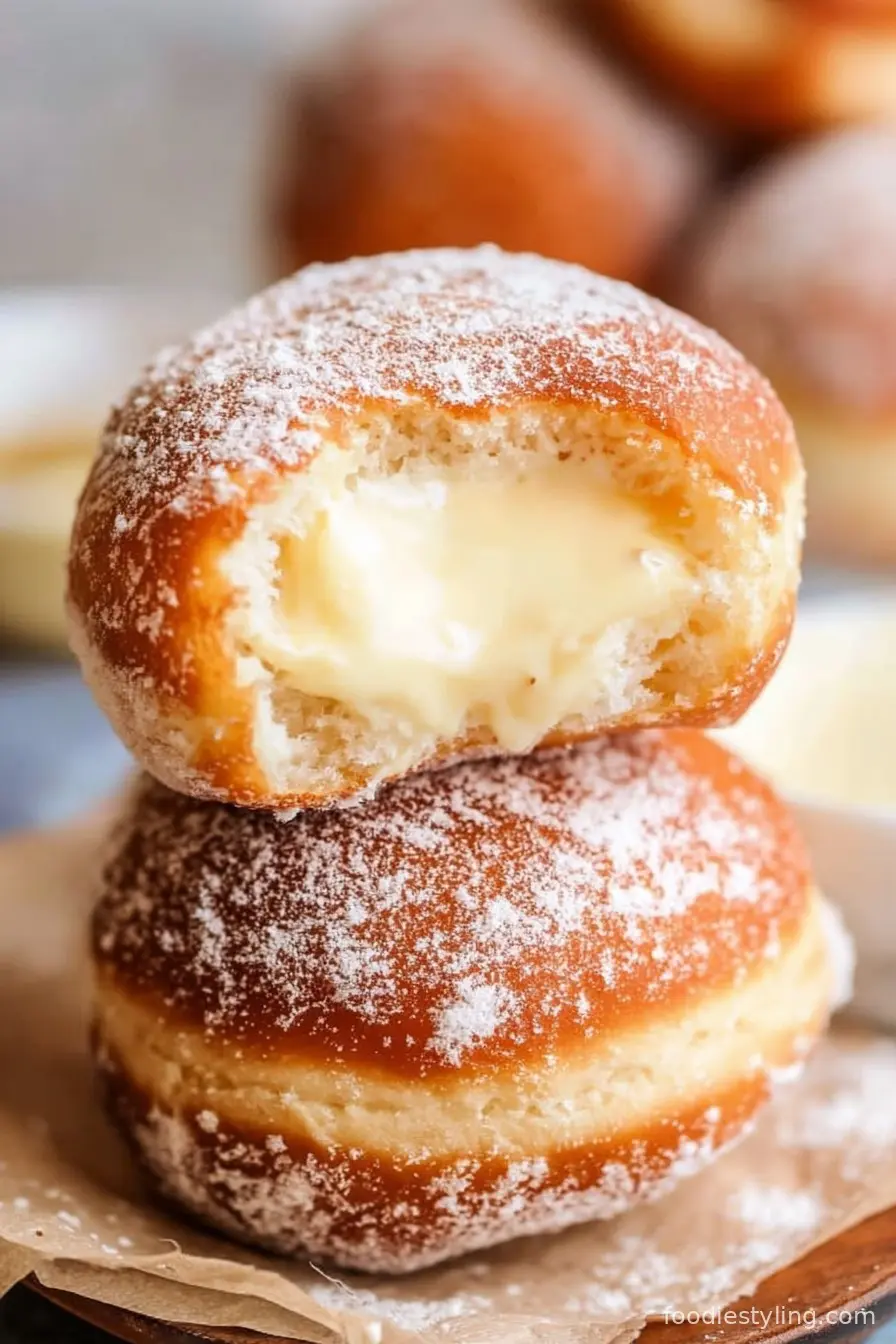
Traditionally deep-fried and rolled in sugar, Bomboloni are similar in shape and size to American doughnuts, but what sets them apart is their incredible lightness and the signature creamy fillings like classic Italian pastry cream (crema pasticciera), chocolate, or simple jam.
Their name is derived from "bomba," the Italian word for "bomb," hinting at the delightful explosion of flavor found within each bite. Tracing their origins back to Tuscany and Emilia-Romagna, Bomboloni have long been enjoyed as a breakfast pastry, snack, or festive dessert.
These doughnuts boast a long-standing history, found in carnival celebrations and local pastry shops. Making Bomboloni from scratch is a labor of love, involving a rich, eggy dough and careful attention during frying to create that perfect golden exterior and tender center.
Their popularity stems not just from their irresistible taste, but also from their versatility—serve them unfilled, rolled in sugar, or generously stuffed with creamy custard or chocolate for a decadent finish.
Whether indulged with a morning espresso or shared as a sweet treat among friends, Bomboloni – Italian Doughnuts are a timeless symbol of Italian dolce vita.
If you've ever dreamed of replicating the magic of Italian patisseries at home, this step-by-step recipe will guide you through creating authentic Bomboloni, including the option for luscious pastry cream filling.
Ingredients
- 2 cups strong bread flour (280g)
- 2 cups 00 flour or all-purpose flour (280g)
- 3 large eggs, at room temperature
- 6.5 tablespoons butter, softened (90g)
- ½ cup granulated sugar (100g)
- ½ cup lukewarm milk (120ml)
- ½ teaspoon vanilla paste or 1 teaspoon vanilla extract
- 2 ¼ teaspoons fast action yeast (7g)
- 1 small pinch of salt
- 2-3 tablespoons caster sugar or confectioners' sugar, for rolling doughnuts
- Sunflower or vegetable oil, for frying
- For the pastry cream (if using):
- 5 egg yolks
- 2.5 cups milk (½ litre)
- ¼ cup cornstarch (30g)
- ⅓ cup sugar (70g)
- ½ teaspoon vanilla paste or 1 vanilla bean
- Zest of 1 lemon
Instructions
- Begin by reviewing your yeast packet. Some yeasts can be mixed directly with dry ingredients, while others require activation in lukewarm liquid. If activation is required, dissolve the yeast in a portion of the measured lukewarm milk and allow it to foam for about 5-10 minutes before proceeding.
- In a stand mixer bowl, combine the bread flour, 00 flour or all-purpose flour, granulated sugar, and yeast. Use a spoon or spatula to evenly blend these dry ingredients.
- Distribute the softened butter over the flour mixture in small cubes, ensuring even coverage. Then, add the room-temperature eggs, lukewarm milk, vanilla paste or extract, and a small pinch of salt.
- Fit your stand mixer with the dough hook attachment. Knead the dough on low speed (speed 2 on KitchenAid mixers) for approximately 10 minutes. The finished dough should be elastic, smooth, and slightly sticky but not overly wet. Avoid adding extra flour unless absolutely necessary.
- Turn the dough onto a clean, unfloured surface. Gently knead it by hand 2-3 times to shape it into a smooth ball, being careful not to overwork.
- Lightly oil a clean mixing bowl and transfer the dough ball into it. Cover the bowl with plastic wrap, ensuring the dough is well-sealed. Allow the dough to rise in a warm, draft-free area for 2-3 hours, or until it has expanded to three times its original size.
- Once the first proof is complete, gently tip the dough onto a clean work surface. Knock out the excess air by pressing the dough flat, then knead it a few times to reshape it into a ball.
- Flatten the dough with your hands and use a rolling pin to roll it out into a rectangle about ½ inch (1.5 cm) thick. Aim for an even thickness throughout to ensure consistent frying.
- Using a round cookie cutter or the rim of a glass (around 3.5 inches in diameter), cut out as many dough rounds as possible. Gather any remaining scraps, gently re-knead, and roll out again to form additional rounds.
- Place each dough round onto a parchment-lined baking tray, spacing them apart so they have room to expand. Loosely cover with plastic wrap and let them proof for 1 to 1.5 hours, or until they've tripled in size.
- While the dough is proofing for the second time, prepare the Italian pastry cream if you plan to use it as a filling. Begin by whisking together the egg yolks, sugar, vanilla, and lemon zest in a large bowl until fully combined.
- Add the cornstarch to the egg mixture and whisk thoroughly until no lumps remain.
- Heat the milk in a saucepan until just hot (not boiling). Remove from heat and let it sit for about one minute.
- Gradually pour the hot milk into the egg mixture, whisking continuously. This step ensures the eggs don’t scramble and that the mixture remains smooth.
- Return the mixture to the saucepan. Cook gently over low heat while stirring constantly for 10-15 minutes. The pastry cream should thicken considerably. Avoid increasing the heat to prevent curdling the eggs.
- When fully thickened, remove from heat, pour the cream into a clean bowl, and press plastic wrap directly onto the surface. Allow it to cool completely before using as a doughnut filling.
- When ready to fry, heat a large pot of sunflower or vegetable oil to 170°C (337°F). For safety and accuracy, use a kitchen thermometer to monitor the oil temperature closely.
- Cut the parchment beneath each proofed doughnut into individual squares. This allows you to lower them safely into the hot oil without deflating the dough.
- Carefully transfer each doughnut, still on its parchment square, into the hot oil. Once in the oil, quickly remove the parchment with tongs. Do not overcrowd the pot; fry in small batches to maintain oil temperature.
- Fry the doughnuts for about 2 minutes per side, using tongs to turn them as needed until both sides are golden brown and puffed.
- Once cooked, transfer the bomboloni to a tray lined with paper towels to drain excess oil for about 2 minutes, then immediately roll them in caster or confectioners' sugar to coat.
- Allow the doughnuts to cool slightly. To fill, make a small incision in the side of each one using the tip of a small knife. Wiggle the knife gently to create a cavity for the filling.
- Fill a piping bag with the cooled pastry cream (or your preferred filling, such as chocolate or jam). Insert the tip into the hole and generously pipe the filling into the center of each doughnut.
- Enjoy the Bomboloni – Italian Doughnuts freshly made, or store them in a plastic container for up to 1-2 days. Serve immediately for the ultimate flavor and texture.
Nutritional Information
Bomboloni – Italian Doughnuts are a rich, indulgent treat that combines flour, eggs, sugar, and butter to produce their signature fluffy texture.
Each doughnut contains a blend of carbohydrates from the flour and sugar, protein from the eggs, and fats from the butter and oil used both in the dough and frying process. A single bombolone, depending on its size and filling, typically ranges between 250 to 350 calories.
The pastry cream filling adds additional protein from the egg yolks and a creamy texture thanks to milk.
While these doughnuts offer a quick source of energy and some essential nutrients such as calcium (from the milk) and some B vitamins (from the flour and eggs), they also contain saturated fats and sugars, best enjoyed in moderation.
Since Bomboloni are deep-fried, there is an increased fat content compared to baked doughnuts. However, draining them adequately after frying helps reduce oil absorption. For those monitoring dietary intake, consider making smaller doughnuts, limiting the sugar coating, or substituting part of the flour with whole wheat to increase fiber content.
Ultimately, Bomboloni – Italian Doughnuts are best enjoyed as an occasional indulgence within a balanced diet.
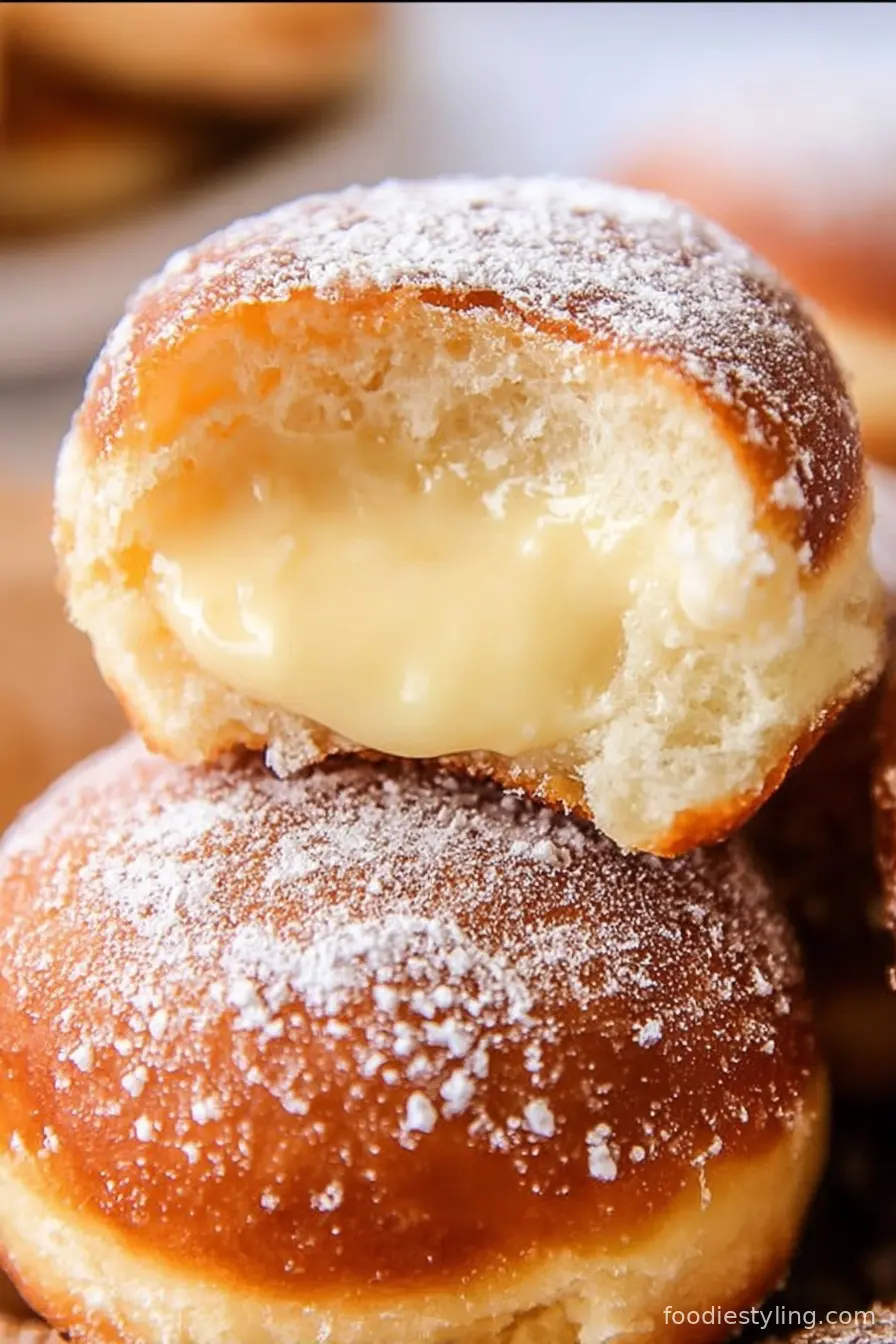
Wine and Beverage Pairings
Bomboloni – Italian Doughnuts pair beautifully with classic Italian beverages. A strong, freshly brewed espresso is a go-to accompaniment, enhancing the Bomboloni's sweetness with its bold, bitter notes. For a more leisurely experience, serve Bomboloni alongside a cappuccino or latte for breakfast or brunch.
If you wish to elevate your dessert experience, consider an Italian dessert wine such as Vin Santo or Moscato d’Asti; both offer sweetness and acidity to balance the richness of the doughnuts.
Non-alcoholic options like hot chocolate or even a cold glass of milk work perfectly, especially for kids and family gatherings. For a refreshing summer option, a sparkling lemonade or iced tea provides a lively contrast to the doughnuts’ richness.
Ultimately, the best pairing is one that pleases your palate and complements the moment.
Cooking Tips and Variations
Creating perfect Bomboloni – Italian Doughnuts requires attention to several key details. When making the dough, use fresh, high-quality yeast to ensure a good rise and light texture. Kneading the dough for a full 10 minutes develops the gluten, which is crucial for achieving a soft and airy final product.
Resist the temptation to add extra flour during kneading on the countertop; keeping the dough slightly tacky will result in fluffier doughnuts. Proofing twice — first after mixing, then after shaping — is essential for lightness. Be careful not to over-proof, as this can lead to flat doughnuts.
When frying, maintain the oil temperature at 170°C (337°F); if the oil is too hot, the doughnuts will burn on the outside before cooking through. Too cool, and the dough will absorb too much oil and become greasy.
For neatness and safety, use the parchment square technique to transfer proofed dough rounds to the oil without deflating them. After frying, roll the Bomboloni in sugar while they are still warm for the best coating.
While classic Bomboloni are filled with pastry cream, feel free to experiment with chocolate-hazelnut spread, fruit preserves, or even a tangy lemon curd. If you want a lighter version, omit the filling or bake the doughnuts instead of frying, though the texture will change.
These tips and simple variations ensure delicious results every time.

Serving Suggestions
Bomboloni – Italian Doughnuts are best enjoyed fresh and slightly warm, when their outer crust is delightfully crunchy and the inside is pillowy and soft. Present them piled high on a serving platter, generously dusted or rolled in caster or confectioners’ sugar.
If you’ve chosen to fill them with pastry cream, arrange them with the filled side up, allowing a peek of the luscious cream to tempt guests. Bomboloni are perfect as part of a brunch spread, paired with coffee and fruit, or featured as a celebratory dessert.
For special occasions like birthdays or holidays, consider offering a variety of fillings such as traditional pastry cream, chocolate, or jam so everyone can pick their favorite. These doughnuts also make a whimsical addition to afternoon tea or as a late-night snack for guests.
To serve for a crowd, you can prepare the dough and cream ahead of time, then fry and fill just before serving for ultimate freshness.
If you have leftovers, Bomboloni can be stored in an airtight container at room temperature for one to two days, though their crispiness will diminish over time. Revitalize them with a quick reheat in the oven before serving.
For an extra indulgent treat, serve with a side of extra pastry cream for dipping.
Health Benefits
While Bomboloni – Italian Doughnuts are an indulgent pastry, enjoying them in moderation can fit within a balanced lifestyle. Eggs in the dough and pastry cream provide high-quality protein and essential nutrients like choline and B vitamins.
The milk adds calcium for bone health, and lemon zest offers a boost of vitamin C. Opting for sunflower oil over traditional animal fats for frying keeps saturated fat levels in check and introduces beneficial unsaturated fats.
Using bread flour and 00 flour ensures a light, less dense doughnut, reducing the temptation to overindulge due to rich heaviness. If you prefer a lighter version, consider making smaller Bomboloni, reducing the sugar coating, or experimenting with baking rather than frying.
The key to incorporating Bomboloni into a healthy lifestyle is portion control and balancing them with plenty of fruits, vegetables, and whole grains. Remember to savor each bite and share these traditional treats with family and friends, integrating them into life’s celebratory moments.
Frequently Asked Questions
Yes, you can prepare the dough ahead of time. After the first proof, cover the bowl tightly and refrigerate overnight. Bring the dough to room temperature before shaping, proofing again, and frying as directed.
No, while filled Bomboloni are popular, they are just as delicious served plain and rolled in sugar. You can also offer a selection of fillings such as pastry cream, jam, or chocolate spread for variety.
Choose a neutral oil with a high smoke point, such as sunflower or vegetable oil. These oils ensure a crisp, golden exterior without imparting any strong flavors.
Dense Bomboloni are usually due to under-proofing, old yeast, or adding too much flour. Always proof the dough until doubled or tripled and keep the dough slightly tacky for a light, airy result.
Bomboloni are best enjoyed fresh, but they can be stored in an airtight container at room temperature for up to 2 days. To restore crispiness, briefly reheat them in the oven before serving.
Bomboloni – Italian Doughnuts are a true celebration of Italian baking traditions, blending a beautifully light dough with sweet, creamy fillings. Whether enjoyed for breakfast, as a festive dessert, or a casual treat, Bomboloni never fail to delight. Following this detailed recipe ensures tender, airy doughnuts every time, with the flexibility to personalize fillings and coatings. Prepare them for your next gathering or cozy weekend at home, and share the sweet flavors of Italy with loved ones. With practice and passion, Bomboloni can become a standout specialty in your home baking repertoire. Buon appetito!
Ingredients
- 2 cups strong bread flour (280g)
- 2 cups 00 flour or all-purpose flour (280g)
- 3 large eggs, at room temperature
- 6.5 tablespoons butter, softened (90g)
- ½ cup granulated sugar (100g)
- ½ cup lukewarm milk (120ml)
- ½ teaspoon vanilla paste or 1 teaspoon vanilla extract
- 2 ¼ teaspoons fast action yeast (7g)
- 1 small pinch of salt
- 2-3 tablespoons caster sugar or confectioners' sugar, for rolling doughnuts
- Sunflower or vegetable oil, for frying
- For the pastry cream (if using):
- 5 egg yolks
- 2.5 cups milk (½ litre)
- ¼ cup cornstarch (30g)
- ⅓ cup sugar (70g)
- ½ teaspoon vanilla paste or 1 vanilla bean
- Zest of 1 lemon
Instructions
-
1Begin by reviewing your yeast packet. Some yeasts can be mixed directly with dry ingredients, while others require activation in lukewarm liquid. If activation is required, dissolve the yeast in a portion of the measured lukewarm milk and allow it to foam for about 5-10 minutes before proceeding.
-
2In a stand mixer bowl, combine the bread flour, 00 flour or all-purpose flour, granulated sugar, and yeast. Use a spoon or spatula to evenly blend these dry ingredients.
-
3Distribute the softened butter over the flour mixture in small cubes, ensuring even coverage. Then, add the room-temperature eggs, lukewarm milk, vanilla paste or extract, and a small pinch of salt.
-
4Fit your stand mixer with the dough hook attachment. Knead the dough on low speed (speed 2 on KitchenAid mixers) for approximately 10 minutes. The finished dough should be elastic, smooth, and slightly sticky but not overly wet. Avoid adding extra flour unless absolutely necessary.
-
5Turn the dough onto a clean, unfloured surface. Gently knead it by hand 2-3 times to shape it into a smooth ball, being careful not to overwork.
-
6Lightly oil a clean mixing bowl and transfer the dough ball into it. Cover the bowl with plastic wrap, ensuring the dough is well-sealed. Allow the dough to rise in a warm, draft-free area for 2-3 hours, or until it has expanded to three times its original size.
-
7Once the first proof is complete, gently tip the dough onto a clean work surface. Knock out the excess air by pressing the dough flat, then knead it a few times to reshape it into a ball.
-
8Flatten the dough with your hands and use a rolling pin to roll it out into a rectangle about ½ inch (1.5 cm) thick. Aim for an even thickness throughout to ensure consistent frying.
-
9Using a round cookie cutter or the rim of a glass (around 3.5 inches in diameter), cut out as many dough rounds as possible. Gather any remaining scraps, gently re-knead, and roll out again to form additional rounds.
-
10Place each dough round onto a parchment-lined baking tray, spacing them apart so they have room to expand. Loosely cover with plastic wrap and let them proof for 1 to 1.5 hours, or until they've tripled in size.
-
11While the dough is proofing for the second time, prepare the Italian pastry cream if you plan to use it as a filling. Begin by whisking together the egg yolks, sugar, vanilla, and lemon zest in a large bowl until fully combined.
-
12Add the cornstarch to the egg mixture and whisk thoroughly until no lumps remain.
-
13Heat the milk in a saucepan until just hot (not boiling). Remove from heat and let it sit for about one minute.
-
14Gradually pour the hot milk into the egg mixture, whisking continuously. This step ensures the eggs don’t scramble and that the mixture remains smooth.
-
15Return the mixture to the saucepan. Cook gently over low heat while stirring constantly for 10-15 minutes. The pastry cream should thicken considerably. Avoid increasing the heat to prevent curdling the eggs.
-
16When fully thickened, remove from heat, pour the cream into a clean bowl, and press plastic wrap directly onto the surface. Allow it to cool completely before using as a doughnut filling.
-
17When ready to fry, heat a large pot of sunflower or vegetable oil to 170°C (337°F). For safety and accuracy, use a kitchen thermometer to monitor the oil temperature closely.
-
18Cut the parchment beneath each proofed doughnut into individual squares. This allows you to lower them safely into the hot oil without deflating the dough.
-
19Carefully transfer each doughnut, still on its parchment square, into the hot oil. Once in the oil, quickly remove the parchment with tongs. Do not overcrowd the pot; fry in small batches to maintain oil temperature.
-
20Fry the doughnuts for about 2 minutes per side, using tongs to turn them as needed until both sides are golden brown and puffed.
-
21Once cooked, transfer the bomboloni to a tray lined with paper towels to drain excess oil for about 2 minutes, then immediately roll them in caster or confectioners' sugar to coat.
-
22Allow the doughnuts to cool slightly. To fill, make a small incision in the side of each one using the tip of a small knife. Wiggle the knife gently to create a cavity for the filling.
-
23Fill a piping bag with the cooled pastry cream (or your preferred filling, such as chocolate or jam). Insert the tip into the hole and generously pipe the filling into the center of each doughnut.
-
24Enjoy the Bomboloni – Italian Doughnuts freshly made, or store them in a plastic container for up to 1-2 days. Serve immediately for the ultimate flavor and texture.
Approximate Information for One Serving
Nutrition Disclaimers
Number of total servings shown is approximate. Actual number of servings will depend on your preferred portion sizes.
Nutritional values shown are general guidelines and reflect information for 1 serving using the ingredients listed, not including any optional ingredients. Actual macros may vary slightly depending on specific brands and types of ingredients used.
To determine the weight of one serving, prepare the recipe as instructed. Weigh the finished recipe, then divide the weight of the finished recipe (not including the weight of the container the food is in) by the desired number of servings. Result will be the weight of one serving.
Did you make this recipe?
Please consider Pinning it!