Pork Tenderloin Marinade is the secret weapon in every home cook’s kitchen when it comes to transforming a simple cut of pork into an extraordinary meal. Pork tenderloin is renowned for its tenderness and subtle flavor, making it the ideal canvas for a versatile and savory marinade.
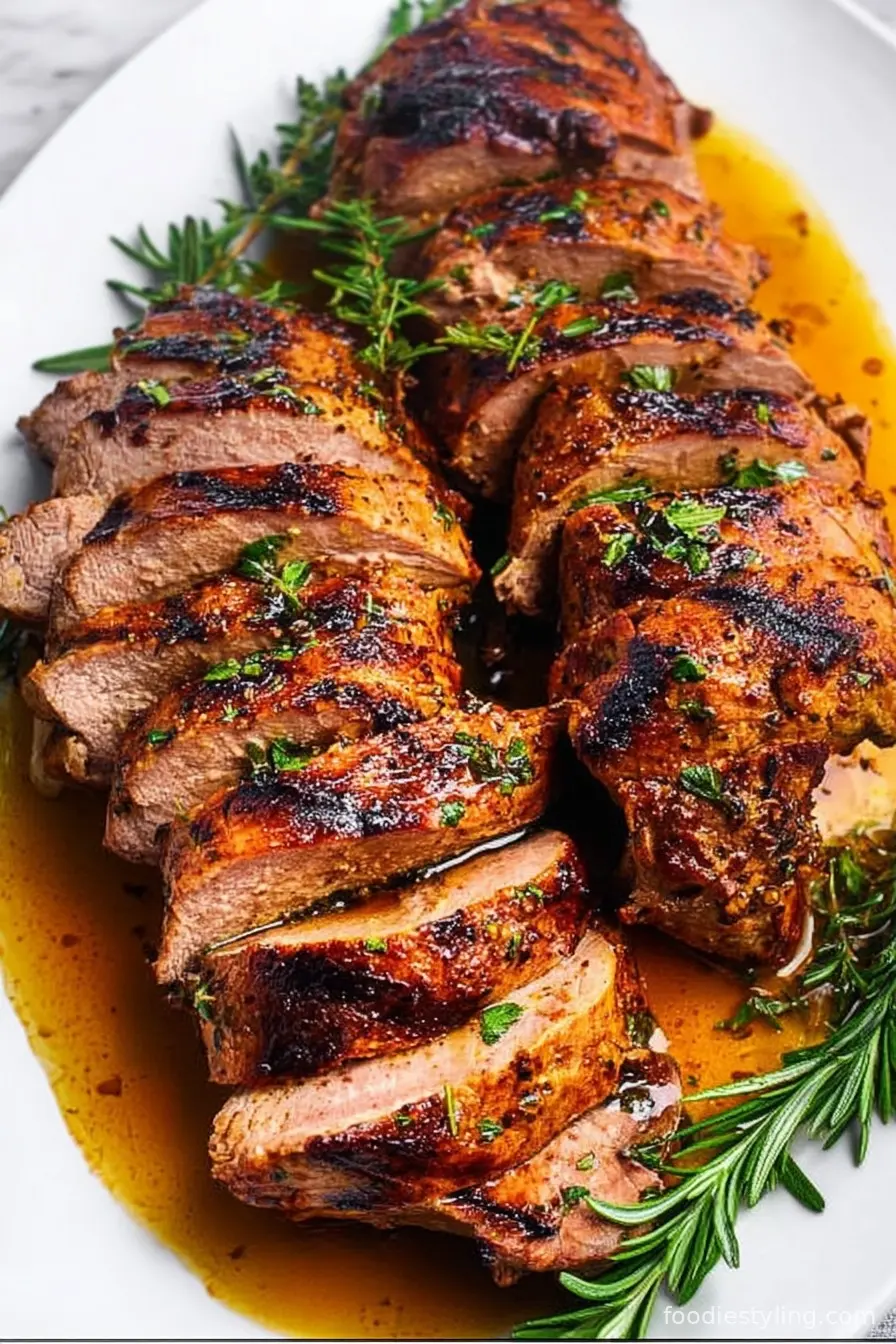
Over centuries and across cuisines, chefs have developed their own unique blends to enhance pork’s natural flavors. A well-crafted pork tenderloin marinade not only tenderizes the meat but also infuses it with a complex depth of flavor, elevating the final dish beyond the ordinary.
Marinating pork has its roots in both ancient preservation methods and modern culinary science. Today, a great pork tenderloin marinade often combines acidity, flavor, and just the right touch of sweetness and spice.
This balance allows the marinade to break down muscle fibers, make the pork exceedingly tender, and impart a succulence that is hard to achieve by seasoning alone. Home cooks gravitate toward marinating because it’s easy, mostly hands-off, and results in consistently delicious and juicy pork tenderloin.
In this article, we'll unpack the best pork tenderloin marinade recipe, highlight the ideal ingredients, discuss simple steps, and provide expert culinary tips so your next pork tenderloin is bursting with flavor.
Whether grilling, roasting, or pan-searing, this marinade enhances your pork tenderloin and creates a stunning centerpiece for weeknight dinners or special gatherings.
Ingredients
- ¼ cup extra virgin olive oil
- ¼ cup soy sauce
- ¼ cup fresh orange juice (or apple juice for a variation)
- 3 tablespoon balsamic vinegar
- 2 tablespoon honey or brown sugar
- 4 cloves garlic, finely minced
- 1 tablespoon Dijon mustard
- 1 teaspoon dried rosemary
- 1 teaspoon dried thyme
- ½ teaspoon freshly ground black pepper
- ½ teaspoon salt
- 1-2 pork tenderloins (1 to 1.5 pounds each)
Instructions
- In a medium bowl, whisk together olive oil, soy sauce, orange juice, balsamic vinegar, honey, minced garlic, Dijon mustard, rosemary, thyme, black pepper, and salt until fully combined.
- Trim silver skin from the pork tenderloins and pat them dry with a paper towel.
- Place the pork tenderloins in a large zip-top bag or shallow dish and pour the marinade over the meat, ensuring they are fully coated.
- Seal the bag or cover the dish and refrigerate for at least 1 hour, but ideally 4-8 hours. For best flavor and tenderness, marinate overnight.
- When ready to cook, remove the pork from the marinade and let excess liquid drip off. Discard the used marinade.
- Preheat your grill, oven, or skillet to medium-high heat.
- Cook the pork tenderloin until the internal temperature reaches 145°F (63°C), turning occasionally to brown all sides. This typically takes 15-20 minutes depending on thickness.
- Let the cooked tenderloin rest on a cutting board, tented loosely with foil, for 5-10 minutes before slicing.
- Slice the pork tenderloin into ½-inch medallions and serve with your favorite sides.
Nutritional Information
A serving of pork tenderloin marinated and cooked according to this recipe provides a protein-rich, lean meal with balanced nutrition. Pork tenderloin is considered one of the healthiest cuts of pork because it is low in fat, particularly saturated fat, while being high in complete protein.
One 4-ounce cooked serving of marinated pork tenderloin contains approximately 180 calories, 4 grams of fat, 1 gram of saturated fat, 0 grams of trans fat, and 31 grams of protein.
Adding this pork tenderloin marinade does not contribute a significant amount of extra calories or fat, as most of the oil drains off during cooking, while the sugars from honey or brown sugar help balance flavors without making the dish excessively sweet.
Small amounts of carbohydrates, primarily from honey and juice, total around 6-8 grams per serving. The sodium content, mostly from soy sauce, is moderate, but can be reduced if you use a reduced-sodium version.
This lean protein source packs crucial vitamins and minerals including B vitamins (especially B12, B6, and niacin for energy production), zinc (for immune function), phosphorus (for bone health), and selenium (an antioxidant).
When balanced with wholesome sides like vegetables or whole grains, this pork tenderloin marinade recipe makes for a nutrient-dense, satisfying meal suitable for health-conscious families.
Wine and Beverage Pairings
A beautifully marinated pork tenderloin pairs perfectly with a variety of wines and beverages. For white wine lovers, a crisp Chardonnay or a slightly fruity Riesling complements the subtle sweetness and tang of the marinade.
Red wine drinkers may opt for a Pinot Noir or a Merlot, which have enough body and gentle tannins to enhance the flavors without overpowering the pork. If you prefer beer, try a pilsner, wheat beer, or Belgian-style ale—these lighter brews refresh the palate and let the pork shine.
For non-alcoholic options, consider a sparkling apple cider or a homemade iced herbal tea (such as mint or hibiscus) served over ice with a slice of citrus. These options balance richness and provide a lively contrast to the savory and sweet notes of the pork tenderloin marinade.
Cooking Tips and Variations
When preparing pork tenderloin marinade, always use fresh ingredients like garlic and herbs for the brightest flavor. While bottled juices and dried herbs can work in a pinch, the intensity and aroma of freshly squeezed citrus and hand-minced garlic elevate the final dish.
If using honey, let it dissolve well into the other wet ingredients for smooth coating. Try massaging the marinade into the meat to ensure every inch is flavored.
For a different spin, swap out orange juice for lime, or add a splash of Worcestershire sauce for an extra layer of umami depth. Adjust the salt or use a low-sodium soy sauce for dietary preferences.
If you want a hint of spice, a sprinkle of red pepper flakes or a dash of hot sauce can add some heat. Don’t marinate pork tenderloin for more than 24 hours to maintain optimal texture; overly long marinating can make the outer flesh mushy.
When cooking, use a meat thermometer to check doneness for juicy, safe results. Resting the meat after cooking allows juices to redistribute, ensuring your pork tenderloin is moist and tender throughout.
For entertaining, consider doubling the pork tenderloin marinade and serving with a lightly reduced marinade (boiled for safety) as a sauce on the side.

Serving Suggestions
Presenting pork tenderloin marinated to perfection can elevate any meal from simple to show-stopping. After resting and slicing your pork, arrange the tender medallions on a platter and drizzle with any juices collected on the resting board for maximum flavor.
This pork tenderloin marinade recipe pairs effortlessly with a variety of side dishes—try it alongside garlic mashed potatoes, silky cauliflower puree, or crispy roasted new potatoes for comfort.
For a lighter accompaniment, consider a fresh salad featuring arugula, citrus slices, and toasted nuts or a medley of seasonal roasted vegetables like carrots, parsnips, and green beans. For added color and vibrance, serve with a cranberry-orange relish or a grilled fruit salsa.
For gatherings, pork tenderloin can be served warm or at room temperature, making it ideal for buffets and potlucks. Slice thick medallions for a hearty entrée, or thin pieces for salads, sandwiches, or wraps.
When serving for a weeknight dinner, pair with simple steamed vegetables and a scoop of brown rice or quinoa for balanced nutrition. The versatility of this pork tenderloin marinade makes it equally at home for special occasions or fuss-free family meals.
Health Benefits
Marinating pork tenderloin is not just about flavor; it can offer distinct health benefits. The pork tenderloin itself is classified as an extra-lean cut of meat, lower in calories and saturated fats compared to many other pork cuts.
The inclusion of heart-healthy olive oil in the marinade helps provide monounsaturated fat, known to support cardiovascular health. Herbs like rosemary and thyme not only offer aromatic flavors, but also anti-inflammatory and antioxidant compounds. Garlic adds both superior flavor and potential immune-boosting effects.
By using citrus or apple juice as an acid component, the marinade helps improve the absorption of minerals like iron and zinc found in pork. Additionally, the moderate amount of soy sauce and honey supplies flavor without excessive salt or sugar.
For health-conscious cooks, reducing soy sauce and using natural sweeteners or omitting added sugars can further tailor the pork tenderloin marinade to special dietary needs. Grilling, roasting, or baking are recommended over frying, and draining excess marinade ensures fewer calories are consumed while maintaining vibrant flavor.
All these elements combine to make pork tenderloin with this marinade a nutritious and satisfying choice for those looking to balance taste with wellness.
Frequently Asked Questions
For optimal flavor and tenderness, marinate pork tenderloin in the marinade for at least 1 hour, though 4-8 hours is ideal. Overnight marinating intensifies the flavor. Avoid marinating for more than 24 hours to preserve the texture of the meat.
Do not serve the marinade raw after marinating; if you wish to use it as a sauce, bring it to a rolling boil for several minutes to kill any bacteria. You could also reserve a portion of unused marinade when initially mixing for serving.
If avoiding soy, you can use coconut aminos or tamari for a similar umami flavor. If you require a soy-free, gluten-free alternative, coconut aminos is the best option.
The marinade can be gluten-free by ensuring all ingredients, especially the soy sauce, are certified gluten-free. Tamari or coconut aminos are good alternatives for those with gluten sensitivities.
The best cooking methods are grilling, roasting, or pan-searing over medium-high heat until the internal temperature reaches 145°F (63°C). Always let the meat rest before slicing for juicy and tender results.
With a thoughtfully crafted pork tenderloin marinade, you can unlock delicious and memorable flavors from a lean and versatile cut of pork. This simple yet sophisticated blend of ingredients works harmoniously to tenderize and season the meat, delivering a dish that is both impressive and accessible for family meals or entertaining. Whether you’re looking to impress guests or treat your loved ones to a healthier home-cooked meal, this recipe offers the perfect balance of flavor, nutrition, and convenience. Try this pork tenderloin marinade next time you want a protein-rich centerpiece that is sure to delight your taste buds and leave everyone asking for seconds.
Ingredients
- ¼ cup extra virgin olive oil
- ¼ cup soy sauce
- ¼ cup fresh orange juice (or apple juice for a variation)
- 3 tablespoon balsamic vinegar
- 2 tablespoon honey or brown sugar
- 4 cloves garlic, finely minced
- 1 tablespoon Dijon mustard
- 1 teaspoon dried rosemary
- 1 teaspoon dried thyme
- ½ teaspoon freshly ground black pepper
- ½ teaspoon salt
- 1-2 pork tenderloins (1 to 1.5 pounds each)
Instructions
-
1In a medium bowl, whisk together olive oil, soy sauce, orange juice, balsamic vinegar, honey, minced garlic, Dijon mustard, rosemary, thyme, black pepper, and salt until fully combined.
-
2Trim silver skin from the pork tenderloins and pat them dry with a paper towel.
-
3Place the pork tenderloins in a large zip-top bag or shallow dish and pour the marinade over the meat, ensuring they are fully coated.
-
4Seal the bag or cover the dish and refrigerate for at least 1 hour, but ideally 4-8 hours. For best flavor and tenderness, marinate overnight.
-
5When ready to cook, remove the pork from the marinade and let excess liquid drip off. Discard the used marinade.
-
6Preheat your grill, oven, or skillet to medium-high heat.
-
7Cook the pork tenderloin until the internal temperature reaches 145°F (63°C), turning occasionally to brown all sides. This typically takes 15-20 minutes depending on thickness.
-
8Let the cooked tenderloin rest on a cutting board, tented loosely with foil, for 5-10 minutes before slicing.
-
9Slice the pork tenderloin into ½-inch medallions and serve with your favorite sides.
Approximate Information for One Serving
Nutrition Disclaimers
Number of total servings shown is approximate. Actual number of servings will depend on your preferred portion sizes.
Nutritional values shown are general guidelines and reflect information for 1 serving using the ingredients listed, not including any optional ingredients. Actual macros may vary slightly depending on specific brands and types of ingredients used.
To determine the weight of one serving, prepare the recipe as instructed. Weigh the finished recipe, then divide the weight of the finished recipe (not including the weight of the container the food is in) by the desired number of servings. Result will be the weight of one serving.
Did you make this recipe?
Please consider Pinning it!