Few dishes strike the perfect balance between gourmet flair and home comfort quite like Artichoke Burrata Pizza with Lemon Basil Pesto. This vibrant pizza brings together Italian tradition and modern culinary trends in one showstopping meal.
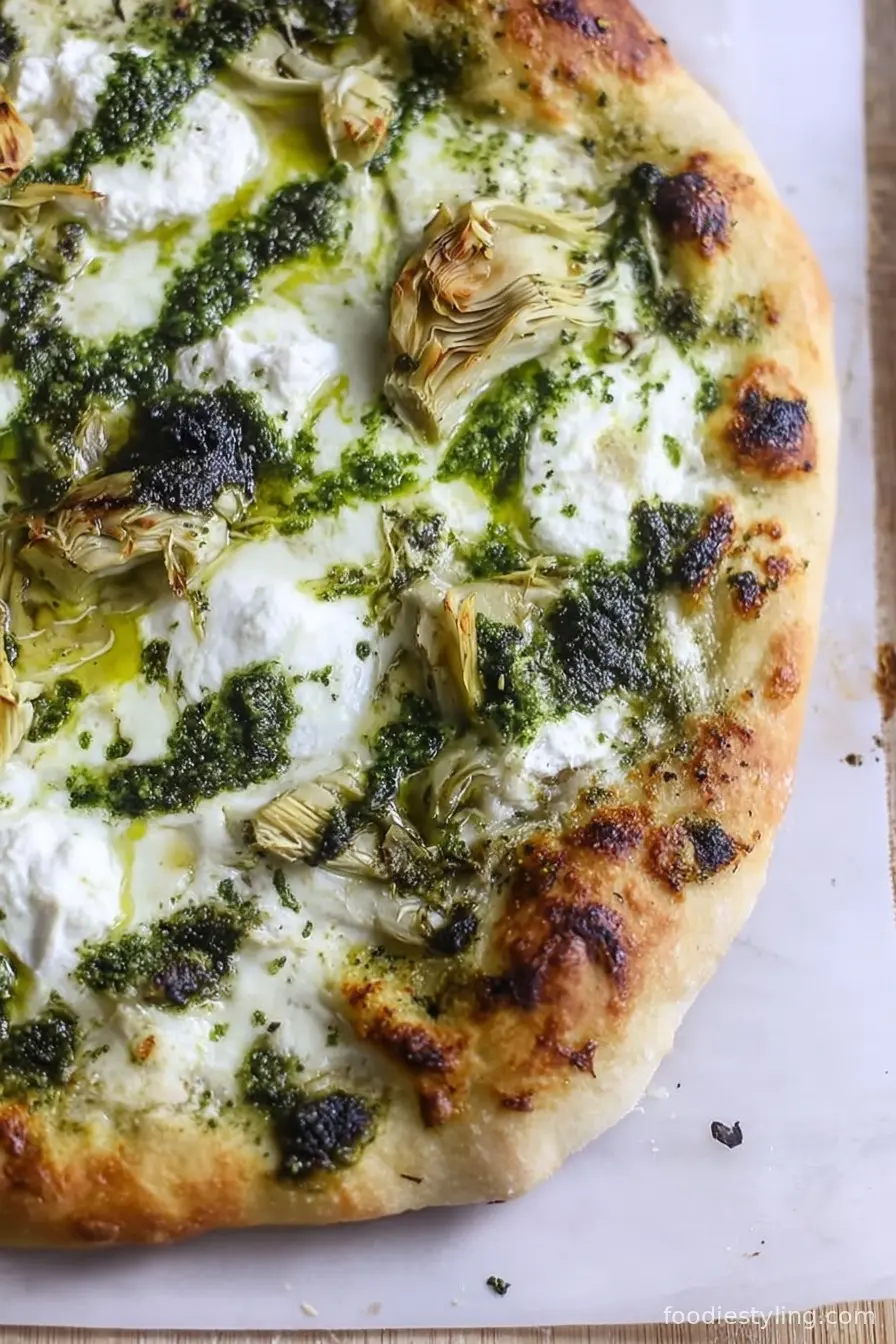
Combining delicate, marinated artichoke hearts, rich and silky burrata cheese, and the aromatic burst of a handmade lemon basil pesto, this pizza is a sensory delight and instantly elevates any gathering or cozy weeknight. Pizza has long been a canvas for creative expression, evolving far beyond its Neapolitan origins.
Originally, Italian pizzas favored minimalism: ripe tomatoes, mozzarella, and basil. In recent years, home cooks and chefs alike have enjoyed the freedom of layering unique flavors atop their dough.
The rise of burrata, a luscious cheese native to Puglia, has especially transformed modern pizza, offering an irresistible creamy texture that contrasts beautifully with crunchy crusts and tangy toppings.
The introduction of artichoke hearts adds both a tender bite and a subtle earthiness, while the zingy, aromatic lemon basil pesto cuts through the richness for perfect balance.
Whether you’re searching for an impressive dish to serve friends, a new family favorite, or a way to savor farmer’s market herbs and vegetables, this Artichoke Burrata Pizza with Lemon Basil Pesto delivers bright flavor and chic presentation.
Dive into this recipe to learn how you can achieve restaurant-quality results in your own kitchen, and discover tips for success, pairing suggestions, and healthful reasons to enjoy every bite.
Ingredients
- 1 pound pizza dough, homemade or store-bought, at room temperature
- 1 cup marinated artichoke hearts, drained and quartered
- 6 ounces burrata cheese
- 1 ½ cups shredded mozzarella cheese
- 1 tablespoon olive oil
- Cornmeal or flour, for dusting
- Salt and freshly cracked black pepper, to taste
- Red pepper flakes, to taste (optional)
- For the Lemon Basil Pesto:
- 2 cups fresh basil leaves, loosely packed
- ⅓ cup pine nuts (or walnuts for a twist)
- 2 cloves garlic, peeled
- ½ cup extra-virgin olive oil
- ¼ cup freshly grated Parmesan cheese
- Zest and juice of 1 lemon
- Salt and pepper, to taste
Instructions
- Start by heating your oven to 475°F (245°C). For the best crispy crust, position a pizza stone or an inverted baking sheet in the oven while it heats. This step replicates the intense bottom heat of traditional pizza ovens, giving your pizza a golden, crisp base.
- Generously dust a clean work surface with flour or cornmeal to prevent sticking. Carefully stretch or roll your pizza dough into a 12-inch circle, aiming for a consistent thickness of about ¼-inch. If you aren’t comfortable tossing the dough by hand, use a rolling pin and transfer the dough to a piece of parchment paper atop a pizza peel or baking sheet for easy handling later.
- Brush your shaped dough lightly with 1 tablespoon of olive oil, focusing on the rim. Using the tines of a fork, gently prick the dough all over. Docking the dough like this stops large air bubbles from forming and helps ensure an even, level crust during baking.
- Prepare the lemon basil pesto while the oven heats. In the bowl of a food processor, combine the basil leaves, pine nuts (or walnuts if preferred), peeled garlic cloves, lemon zest, lemon juice, and freshly grated Parmesan cheese. Pulse several times until the mixture is chunky but combined. With the machine running on low, slowly pour in the extra-virgin olive oil in a steady stream until the pesto becomes a smooth, cohesive paste. Scrape down the sides and season the pesto to taste with salt and freshly cracked black pepper. Set aside for assembly.
- Spoon about ⅓ to ½ cup of the prepared lemon basil pesto over the center of the shaped dough. Use the back of a spoon to spread it evenly, leaving a narrow border around the edge for the crust to puff up and brown during baking.
- Sprinkle shredded mozzarella cheese uniformly over the pesto layer, followed by an even scattering of the drained and quartered artichoke hearts. Ensure the artichokes are arranged for maximum flavor in every bite.
- Transfer the pizza, keeping the parchment beneath it, onto the preheated pizza stone or baking tray in the oven. Bake for 10 to 13 minutes, monitoring closely. The pizza is ready when the crust turns deep golden and crisp, and the cheese bubbles and browns in spots.
- Once baked, use oven mitts to remove your hot pizza. Immediately tear the burrata cheese into generous chunks, distributing them lovingly across the surface. The residual heat will lightly melt the burrata, infusing each slice with creamy luxury.
- Finish with several cracks of freshly ground black pepper, a sprinkling of red pepper flakes if you desire some gentle heat, and, for extra brightness and color, a drizzle of the remaining lemon basil pesto. This finishing touch adds both fragrance and flavor.
- Allow the pizza to cool for a couple of minutes, which lets the cheese settle and makes slicing easier. Cut into slices and serve immediately—this pizza is best enjoyed while the crust is hot and the burrata deliciously creamy.
Nutritional Information
Artichoke Burrata Pizza with Lemon Basil Pesto provides a balanced combination of macronutrients and essential vitamins thanks to its thoughtfully chosen ingredients. The pizza dough supplies complex carbohydrates, making it a hearty meal while providing energy.
Burrata cheese is rich in protein and calcium, beneficial for bone health and muscle repair, while mozzarella offers additional protein and a melt-in-the-mouth texture with a moderate fat profile.
Artichoke hearts are an excellent source of dietary fiber, supporting digestion, and they’re packed with antioxidants, vitamins C and K, and folate, contributing to immune support and cardiovascular health.
The lemon basil pesto, prepared with a generous amount of fresh basil, nuts, and garlic, delivers healthy fats from pine nuts and olive oil, plus the anti-inflammatory benefits of basil and the immune-boosting capacity of garlic.
The bright lemon brings vitamin C and lifts the overall flavor, making the pizza taste lighter and fresher. A typical slice (assuming the pizza is cut into eight) clocks in at about 220-260 calories, with 10-14 grams of fat, 13-18 grams of protein, and a good portion of fiber.
Keep in mind exact values depend on the dough and cheese used. Moderation is key; enjoy this pizza as part of a well-rounded diet.
Wine and Beverage Pairings
For a lively pairing, serve Artichoke Burrata Pizza with Lemon Basil Pesto alongside a zesty white wine such as Sauvignon Blanc or a crisp Pinot Grigio. Both varietals balance the creamy burrata and highlight the fresh, citrusy pesto.
For those preferring non-alcoholic beverages, opt for sparkling lemonade or an infused water with cucumber and mint to mirror the pizza’s fresh flavor profile.
A light Italian pilsner or wheat beer is also an excellent match, bringing a hint of malt that enhances the cheese and complements the herbal, lemony notes. These beverage choices will elevate your pizza night and refresh the palate.
Cooking Tips and Variations
When making Artichoke Burrata Pizza with Lemon Basil Pesto, a few expert tips guarantee success every time. First, always start with dough that is at room temperature—this makes stretching it easier and prevents tears.
If possible, allow your dough to rest on the counter for 30-60 minutes covered to make shaping effortless. Dust your surface generously to ensure the dough doesn’t cling and risk pulling or tearing during transfer.
Invest in a pizza stone or preheat an inverted baking sheet to mimic the high temperatures of traditional pizza ovens—this is crucial for a crisp, chewy base. For the artichokes, ensure they are well-drained to prevent the crust from getting soggy, and pat them with a paper towel if needed.
When making the lemon basil pesto, taste and adjust the seasoning based on your preference and the ripeness of your basil and lemon. If you want an herby, nutty twist, swap pine nuts with walnuts.
For bakers without a pizza peel, simply use a parchment-lined baking sheet for a seamless transfer. To add a seasonal twist, you can swap in other vegetables such as roasted red peppers or thinly sliced zucchini, but keep the topping layer light so the crust bakes evenly.
For added zest, finish with a sprinkle of fresh lemon zest or a handful of baby arugula right before serving. This pizza is endlessly versatile—make it your own.

Serving Suggestions
Artichoke Burrata Pizza with Lemon Basil Pesto is perfect for sharing at gatherings or savoring as a main dish for a cozy dinner. To spotlight the pizza’s gourmet appeal, serve it on a wooden board surrounded by fresh basil sprigs and lemon wedges for a pop of color.
This pizza makes a beautiful centerpiece at a casual brunch, garden picnic, or an elegant dinner party, inviting everyone to reach for a warm, cheesy slice. Pair it with a simple salad—think arugula with shaved Parmesan dressed in olive oil and lemon—to further enhance the brightness of the meal.
For entertaining, slice the pizza into smaller strips or squares and serve alongside a selection of Italian antipasti such as olives, prosciutto, and marinated vegetables. If serving as an appetizer, one pizza can feed a crowd when cut into bite-sized pieces.
For family dinners, double the recipe and invite everyone to help spread pesto or tear burrata, making prep into a fun, communal activity. The pizza also holds up well as leftovers—simply reheat in a hot oven to revive the crust’s crispness.
No matter the occasion, this pizza guarantees a delightful, memorable meal.
Health Benefits
Not only is Artichoke Burrata Pizza with Lemon Basil Pesto a treat for the palate, but it also offers an array of health benefits. Thanks to the marinated artichoke hearts, each bite delivers powerful antioxidants and dietary fiber, which are linked to lower cholesterol, improved digestion, and better heart health.
The use of fresh basil in pesto brings anti-inflammatory properties and a good dose of vitamin K for strong bones. Burrata and mozzarella provide calcium and protein, vital for bone and muscle health, while olive oil delivers healthy monounsaturated fats that support cardiovascular well-being and lower bad cholesterol.
Garlic, lemon, and pine nuts further enrich the pizza, offering immune-enhancing compounds, vitamin C, and heart-healthy fats, respectively. For those who watch sodium intake, choose low-sodium cheeses or adjust the amount of added salt in the pesto.
Plant-based pizza lovers can swap out the cheeses for quality vegan alternatives and still enjoy many of these healthful benefits. This balanced recipe allows you to indulge in gourmet flavors while nourishing your body with wholesome ingredients.
Frequently Asked Questions
Yes, you can prepare the lemon basil pesto in advance. Store it in an airtight container in the refrigerator for up to three days. Allow it to come to room temperature before spreading on the pizza for easy application.
Absolutely. Preheat your grill to medium-high, place the rolled dough directly on grill grates for 2-3 minutes per side, then add pesto, cheese, and artichokes. Close the lid briefly to melt the cheese, then finish with burrata and toppings off the grill.
If burrata is unavailable, use fresh mozzarella, torn into chunks, or dollops of ricotta cheese. Both offer creamy textures that complement the pesto and artichokes well.
Ensure artichoke hearts are drained and patted dry, avoid overloading the pizza with toppings, and bake on a preheated stone or pan at high temperature for a crisp crust.
While this pizza tastes best fresh, you can freeze leftovers. Cool completely, wrap slices in foil, and store in an airtight container. Reheat in a hot oven from frozen for best texture.
Artichoke Burrata Pizza with Lemon Basil Pesto is more than just a meal—it’s a celebration of fresh ingredients, bold flavors, and modern Italian cooking. Featuring creamy burrata, artichoke hearts, and a fragrant lemon basil pesto all atop a crispy homemade or store-bought dough, this pizza reimagines classic comfort food with a vibrant, gourmet twist. Whether entertaining guests, treating your family, or satisfying your own cravings, this recipe ensures every slice is loaded with deliciousness and nutrition. With practical tips, thoughtful wine pairings, and delightful serving ideas provided above, you’re now equipped to master this beautiful pizza at home. Enjoy every bite of this dazzling creation, savor the medley of flavors, and let Artichoke Burrata Pizza with Lemon Basil Pesto become your new signature dish.
Ingredients
- 1 pound pizza dough, homemade or store-bought, at room temperature
- 1 cup marinated artichoke hearts, drained and quartered
- 6 ounces burrata cheese
- 1 ½ cups shredded mozzarella cheese
- 1 tablespoon olive oil
- Cornmeal or flour, for dusting
- Salt and freshly cracked black pepper, to taste
- Red pepper flakes, to taste (optional)
- For the Lemon Basil Pesto:
- 2 cups fresh basil leaves, loosely packed
- ⅓ cup pine nuts (or walnuts for a twist)
- 2 cloves garlic, peeled
- ½ cup extra-virgin olive oil
- ¼ cup freshly grated Parmesan cheese
- Zest and juice of 1 lemon
- Salt and pepper, to taste
Instructions
-
1Start by heating your oven to 475°F (245°C). For the best crispy crust, position a pizza stone or an inverted baking sheet in the oven while it heats. This step replicates the intense bottom heat of traditional pizza ovens, giving your pizza a golden, crisp base.
-
2Generously dust a clean work surface with flour or cornmeal to prevent sticking. Carefully stretch or roll your pizza dough into a 12-inch circle, aiming for a consistent thickness of about ¼-inch. If you aren’t comfortable tossing the dough by hand, use a rolling pin and transfer the dough to a piece of parchment paper atop a pizza peel or baking sheet for easy handling later.
-
3Brush your shaped dough lightly with 1 tablespoon of olive oil, focusing on the rim. Using the tines of a fork, gently prick the dough all over. Docking the dough like this stops large air bubbles from forming and helps ensure an even, level crust during baking.
-
4Prepare the lemon basil pesto while the oven heats. In the bowl of a food processor, combine the basil leaves, pine nuts (or walnuts if preferred), peeled garlic cloves, lemon zest, lemon juice, and freshly grated Parmesan cheese. Pulse several times until the mixture is chunky but combined. With the machine running on low, slowly pour in the extra-virgin olive oil in a steady stream until the pesto becomes a smooth, cohesive paste. Scrape down the sides and season the pesto to taste with salt and freshly cracked black pepper. Set aside for assembly.
-
5Spoon about ⅓ to ½ cup of the prepared lemon basil pesto over the center of the shaped dough. Use the back of a spoon to spread it evenly, leaving a narrow border around the edge for the crust to puff up and brown during baking.
-
6Sprinkle shredded mozzarella cheese uniformly over the pesto layer, followed by an even scattering of the drained and quartered artichoke hearts. Ensure the artichokes are arranged for maximum flavor in every bite.
-
7Transfer the pizza, keeping the parchment beneath it, onto the preheated pizza stone or baking tray in the oven. Bake for 10 to 13 minutes, monitoring closely. The pizza is ready when the crust turns deep golden and crisp, and the cheese bubbles and browns in spots.
-
8Once baked, use oven mitts to remove your hot pizza. Immediately tear the burrata cheese into generous chunks, distributing them lovingly across the surface. The residual heat will lightly melt the burrata, infusing each slice with creamy luxury.
-
9Finish with several cracks of freshly ground black pepper, a sprinkling of red pepper flakes if you desire some gentle heat, and, for extra brightness and color, a drizzle of the remaining lemon basil pesto. This finishing touch adds both fragrance and flavor.
-
10Allow the pizza to cool for a couple of minutes, which lets the cheese settle and makes slicing easier. Cut into slices and serve immediately—this pizza is best enjoyed while the crust is hot and the burrata deliciously creamy.
Approximate Information for One Serving
Nutrition Disclaimers
Number of total servings shown is approximate. Actual number of servings will depend on your preferred portion sizes.
Nutritional values shown are general guidelines and reflect information for 1 serving using the ingredients listed, not including any optional ingredients. Actual macros may vary slightly depending on specific brands and types of ingredients used.
To determine the weight of one serving, prepare the recipe as instructed. Weigh the finished recipe, then divide the weight of the finished recipe (not including the weight of the container the food is in) by the desired number of servings. Result will be the weight of one serving.
Did you make this recipe?
Please consider Pinning it!