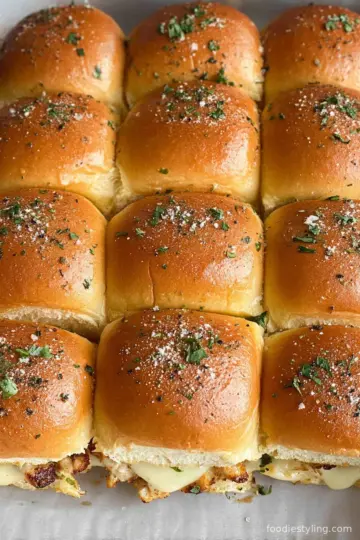
If you're looking for a quick, delicious, and healthy meal idea, look no further than Easy Balsamic Chicken. This easy balsamic chicken recipe combines the rich depth of balsamic vinegar with the sweetness of honey or brown sugar, complemented by savory herbs and zesty garlic.
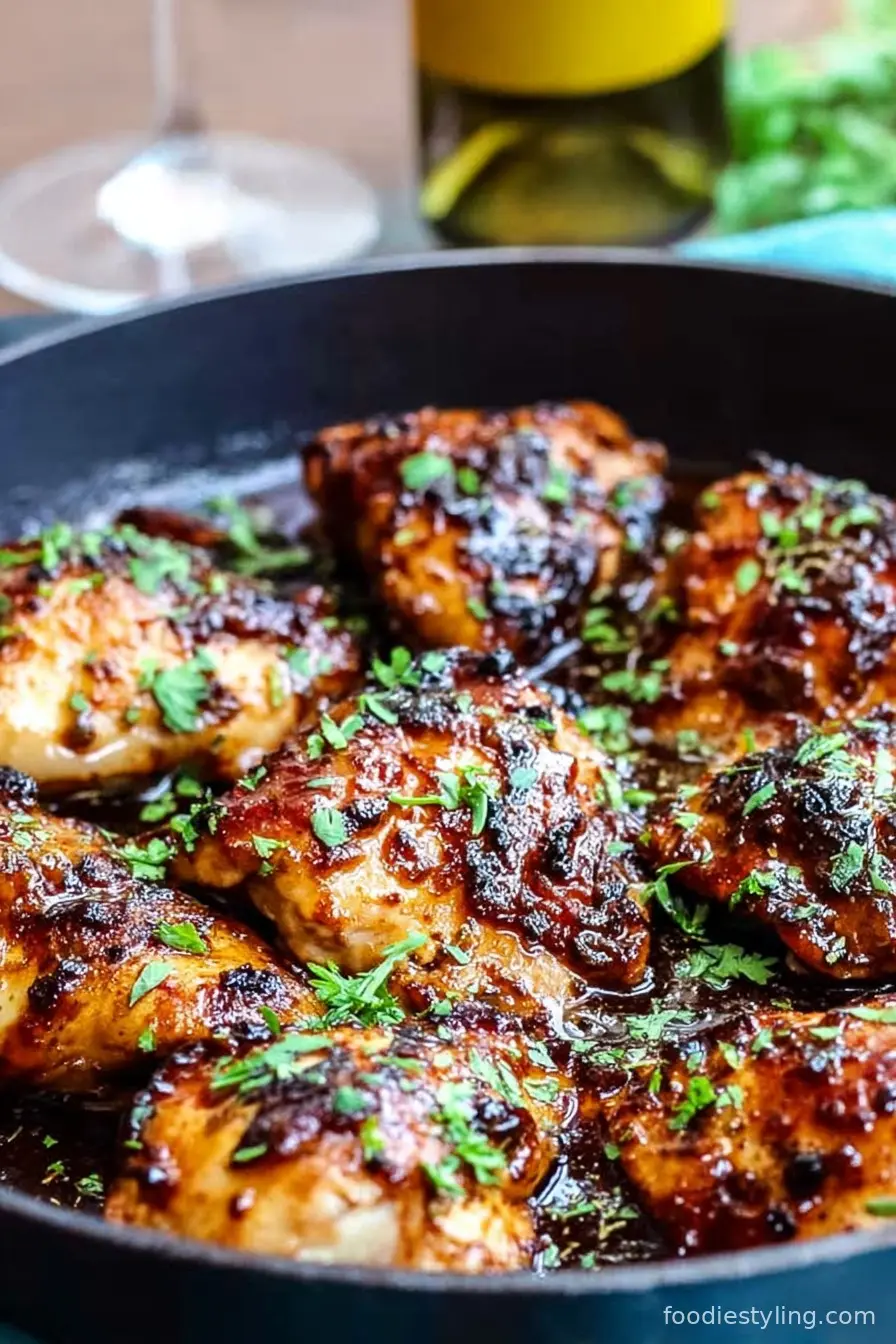
Not only is this dish full of robust flavors, but it's also simple enough for a weeknight dinner and elegant enough to serve at your next gathering. The appeal of balsamic chicken stretches back to the time when balsamic vinegar first became a prized ingredient in Italian cuisine.
Its distinct sweet tang forms the base of countless dishes, known for effortlessly elevating everyday meals. Traditional Italian cooks discovered that marinating meat in balsamic vinegar made it tender while infusing exquisite flavor.
Easy balsamic chicken gained widespread popularity as home cooks realized how quick and approachable it is to prepare. By harnessing minimal yet bold ingredients—like extra-virgin olive oil, Dijon mustard, and dried Italian herbs—this recipe creates a tender, juicy chicken breast coated in a glossy, sweet-tangy glaze.
Whether you're a busy parent, a meal prep pro, or simply someone who loves easy, homemade cooking, this easy balsamic chicken is a go-to solution.
In the following sections, we'll walk through the exact ingredients, simple preparation techniques, pairing ideas, and everything you need to know to master the art of easy balsamic chicken at home. With this comforting and healthy dinner recipe in your repertoire, you'll be ready to impress family and guests alike!
Ingredients
- 4 boneless, skinless chicken breasts
- ¼ cup balsamic vinegar
- 2 tablespoons extra-virgin olive oil
- 2 tablespoons honey or brown sugar
- 3 garlic cloves, minced
- 1 teaspoon dried Italian herbs (basil, oregano, thyme blend)
- ½ teaspoon salt
- ¼ teaspoon freshly ground black pepper
- ½ teaspoon crushed red pepper flakes (optional)
- 1 tablespoon Dijon mustard
- Fresh parsley or basil, chopped (for garnish)
Instructions
- Begin by patting the chicken breasts dry using a paper towel. Sprinkle both sides with salt and freshly ground black pepper, ensuring even seasoning for the best flavor and to help golden searing.
- In a mixing bowl, combine the balsamic vinegar, extra-virgin olive oil, honey or brown sugar, minced garlic, dried Italian herbs blend, Dijon mustard, and, if you enjoy a touch of heat, add the crushed red pepper flakes. Whisk thoroughly to create a harmonious marinade.
- Transfer the chicken breasts to a large resealable bag or arrange them in a shallow dish. Pour half of the prepared marinade over the chicken, reserving the remaining half for later. Make sure each piece is fully coated. Seal the bag or cover the dish, and refrigerate for at least 30 minutes (but up to 4 hours) to develop deeper flavor.
- As the chicken marinates, prepare your cooking area. When ready to cook, heat a large skillet over medium-high heat. If needed, add a small drizzle of olive oil to the pan to prevent sticking.
- Remove the chicken breasts from the marinade, allowing excess to drip off. Place the chicken into the hot skillet. Sear undisturbed for 5 to 6 minutes on one side until a deep golden crust forms.
- Flip the chicken breasts and continue to cook for another 5 to 6 minutes on the other side, or until the chicken is mostly cooked through, showing caramelized edges from the marinade's natural sugars.
- Lower the heat to medium. Pour the reserved marinade over the chicken in the skillet. Let it simmer gently, frequently spooning the bubbling sauce over the top of the chicken for an additional 4 to 5 minutes. This will glaze the meat and further saturate it with flavor.
- Check readiness by inserting a meat thermometer into the thickest part of each breast—they are fully cooked when they reach an internal temperature of 165°F (74°C).
- Once done, transfer the chicken breasts to a serving platter. Spoon any thickened, shiny balsamic glaze remaining in the pan over the top. Finish by scattering chopped fresh parsley or basil for freshness and visual appeal before serving.
Nutritional Information
Easy Balsamic Chicken offers a well-balanced nutritional profile, making it an excellent option for health-conscious cooks seeking both flavor and nourishment. Each serving (based on four servings) typically contains approximately 285 calories, with protein accounting for the largest portion.
The boneless, skinless chicken breasts are an excellent source of lean protein, providing around 27-30 grams per serving—essential for tissue repair, muscle building, and sustaining fullness. The olive oil adds a measured amount of healthy monounsaturated fats, supporting heart health and aiding in the absorption of fat-soluble vitamins.
Because this recipe uses only 2 tablespoons for the entire batch, the fat content remains moderate.
The honey or brown sugar introduces a touch of natural sweetness to balance the acidity of the balsamic vinegar, though the overall sugar content remains modest—about 7-8 grams per portion—making it easy to enjoy without overwhelming your macro goals.
Each serving contains minimal saturated fat and no trans fats, alongside a reasonable dose of potassium and iron. Garlic and herbs not only contribute vitamins and antioxidants but also boost the anti-inflammatory properties of the dish.
The sodium content can be reduced further by using a low-sodium mustard or reducing the salt, accommodating various dietary needs.
Overall, Easy Balsamic Chicken embodies a wholesome main course, rich in quality protein and beneficial nutrients, while remaining lower in calories, fat, and sugar compared to most takeout or prepared meals.
This balanced nutritional breakdown makes it suitable for many diets, whether you’re aiming for lean eating, meal prep, or simply a healthy family dinner.
Wine and Beverage Pairings
This easy balsamic chicken pairs beautifully with a variety of beverages, inviting both wine lovers and non-alcoholic drink fans to enjoy a flavorful meal. A light- to medium-bodied red wine, such as Pinot Noir or Chianti, highlights the dish's sweet-tangy balsamic notes and complements the herbs without overpowering the chicken.
Alternatively, a dry Riesling or Sauvignon Blanc will mirror the glaze’s subtle sweetness while refreshing the palate between bites. If you prefer non-alcoholic beverages, consider serving sparkling water with a twist of lemon or lime, or a lightly brewed iced herbal tea such as basil or mint.
These choices cleanse the mouth and keep the attention on the rich, complex flavors of the chicken. For special occasions, an Italian soda with berry flavoring can add a festive, flavorful touch.
The goal is to select beverages that provide a crisp, refreshing counterpoint to the glossed, succulent chicken and enhance the overall dining experience.
Cooking Tips and Variations
When preparing Easy Balsamic Chicken, a few expert tips will ensure the best results every time. Always dry the chicken breasts thoroughly before seasoning, as this simple step helps them brown evenly in the skillet and prevents excess moisture from diluting the glaze.
For deeper flavor, don’t rush the marinating step; allowing the chicken to marinate for at least 30 minutes—ideally longer—makes a noticeable difference in tenderness and taste. If you’re pressed for time, even a short stint in the fridge will still infuse the chicken with that signature sweet-tangy balsamic profile.
Temperature control during cooking is crucial—begin with medium-high heat to develop a good sear, then reduce to medium after adding the glaze to avoid burning the natural sugars.
Use a thick-bottomed skillet to distribute heat evenly, and always monitor the internal temperature with a meat thermometer; this prevents overcooking and ensures juicy, perfectly cooked chicken every time.
For a variation, try slicing the cooked chicken and serving over mixed greens for a warm balsamic chicken salad, or swap in thighs for a richer flavor. If you like extra-herby notes, sprinkle additional chopped basil or oregano over the finished dish.
For a gluten-free version, ensure your Dijon mustard is certified gluten-free. You can also add halved cherry tomatoes or sautéed onions for more color and taste. Lastly, if you prefer a thicker glaze, continue simmering the remaining marinade for an extra 2-3 minutes before pouring over the chicken.
These tips and tweaks make Easy Balsamic Chicken truly customizable—and consistently delicious!

Serving Suggestions
Serving easy balsamic chicken turns any meal into a special occasion with just a bit of creativity. This versatile main dish works well as the centerpiece for family dinners, meal prep lunches, or even casual gatherings with friends.
For a classic pairing, serve the chicken over a bed of creamy mashed potatoes or garlic-infused rice, allowing the sweet and tangy glaze to seep into the side for added flavor in every bite.
Roasted or steamed seasonal vegetables—such as asparagus, green beans, broccoli, or carrots—bring color and nutritional balance to the plate.
For a lighter option, slice the glazed chicken and layer it atop fresh mixed salad greens, along with cherry tomatoes and a sprinkle of feta cheese; this creates a protein-packed salad with Italian flair.
If you’re hosting guests, arrange the chicken breasts on a large platter, garnish with abundant fresh parsley or basil, and let diners help themselves, creating a welcoming, family-style atmosphere. For a Mediterranean twist, serve with couscous or quinoa and a simple tomato-cucumber salad.
Easy balsamic chicken also works well as a sandwich—simply slice the breasts and serve in a crusty baguette with arugula and a drizzle of glaze. Regardless of your serving choice, be sure to spoon plenty of the luscious balsamic reduction over the chicken for maximum flavor and visual appeal.
Finish each plate with an extra herb garnish for freshness and a final dash of elegance.
Health Benefits
Easy balsamic chicken is a nutritious addition to almost any diet, thanks to its combination of lean protein and naturally wholesome ingredients. Using chicken breasts ensures each serving is rich in high-quality protein while remaining low in saturated fat, supporting muscle health and helping to maintain a healthy weight.
The balsamic vinegar not only imparts bold flavor but also provides antioxidants that help combat free radicals in the body. Olive oil, a heart-healthy fat, supports cardiovascular health and helps your body absorb essential vitamins from the dish.
Garlic is well-recognized for its anti-inflammatory, immune-boosting properties, while the herbs contribute additional micronutrients and polyphenols to the meal. The inclusion of honey or brown sugar is minimal and mainly to balance the flavors, making the dish suitable for most people without spiking sugars.
The absence of processed ingredients and reliance on fresh, natural flavors makes this dish ideal for anyone aiming to eat clean or maintain a balanced diet. Additionally, this chicken recipe can be adapted for gluten-free diets simply by verifying the mustard used.
All in all, easy balsamic chicken serves up robust flavor and enticing texture without compromising your health goals—a perfect example of how wholesome food can be luxurious and satisfying.
Frequently Asked Questions
Yes, you can substitute boneless, skinless chicken thighs for breasts. Thighs are naturally juicier and more flavorful, though you may need to cook them slightly longer to reach the proper internal temperature. The same marinade and glaze steps apply—just keep an eye on doneness and enjoy the richer taste.
Absolutely! You can marinate the chicken for up to 4 hours in advance and even cook it a day ahead. Store cooked balsamic chicken in an airtight container in the refrigerator and gently reheat with a splash of water or extra glaze in a skillet before serving to preserve its juiciness.
Popular accompaniments include garlic mashed potatoes, roasted vegetables, wild rice, or a simple salad with vinaigrette. For a lighter meal, serve the chicken over mixed greens with fresh tomatoes and a sprinkle of cheese.
This easy balsamic chicken recipe is naturally gluten-free as long as you check that your Dijon mustard contains no gluten. Always read labels to be sure when preparing for those with sensitivities.
If you prefer a thicker balsamic glaze, let the reserved marinade simmer for a few extra minutes in the skillet until it reduces to your desired consistency before pouring it over the cooked chicken. Be careful not to over-reduce, as it can become too thick or sticky.
In summary, easy balsamic chicken is a delicious, healthy, and foolproof dish you’ll return to time and again. Its harmonious blend of sweet, tangy, and savory notes makes every bite memorable, while its simplicity ensures you can whip up a restaurant-quality meal with minimal effort. Whether you’re enjoying a quiet dinner at home or entertaining a crowd, this recipe is sure to delight all palates. With the rich tradition of balsamic vinegar and Italian herbs, it bridges comfort and sophistication. Be sure to experiment with the suggested serving ideas and tips to make it uniquely yours—easy balsamic chicken will soon become a star in your culinary repertoire.
Ingredients
- 4 boneless, skinless chicken breasts
- ¼ cup balsamic vinegar
- 2 tablespoons extra-virgin olive oil
- 2 tablespoons honey or brown sugar
- 3 garlic cloves, minced
- 1 teaspoon dried Italian herbs (basil, oregano, thyme blend)
- ½ teaspoon salt
- ¼ teaspoon freshly ground black pepper
- ½ teaspoon crushed red pepper flakes (optional)
- 1 tablespoon Dijon mustard
- Fresh parsley or basil, chopped (for garnish)
Instructions
-
1Begin by patting the chicken breasts dry using a paper towel. Sprinkle both sides with salt and freshly ground black pepper, ensuring even seasoning for the best flavor and to help golden searing.
-
2In a mixing bowl, combine the balsamic vinegar, extra-virgin olive oil, honey or brown sugar, minced garlic, dried Italian herbs blend, Dijon mustard, and, if you enjoy a touch of heat, add the crushed red pepper flakes. Whisk thoroughly to create a harmonious marinade.
-
3Transfer the chicken breasts to a large resealable bag or arrange them in a shallow dish. Pour half of the prepared marinade over the chicken, reserving the remaining half for later. Make sure each piece is fully coated. Seal the bag or cover the dish, and refrigerate for at least 30 minutes (but up to 4 hours) to develop deeper flavor.
-
4As the chicken marinates, prepare your cooking area. When ready to cook, heat a large skillet over medium-high heat. If needed, add a small drizzle of olive oil to the pan to prevent sticking.
-
5Remove the chicken breasts from the marinade, allowing excess to drip off. Place the chicken into the hot skillet. Sear undisturbed for 5 to 6 minutes on one side until a deep golden crust forms.
-
6Flip the chicken breasts and continue to cook for another 5 to 6 minutes on the other side, or until the chicken is mostly cooked through, showing caramelized edges from the marinade's natural sugars.
-
7Lower the heat to medium. Pour the reserved marinade over the chicken in the skillet. Let it simmer gently, frequently spooning the bubbling sauce over the top of the chicken for an additional 4 to 5 minutes. This will glaze the meat and further saturate it with flavor.
-
8Check readiness by inserting a meat thermometer into the thickest part of each breast—they are fully cooked when they reach an internal temperature of 165°F (74°C).
-
9Once done, transfer the chicken breasts to a serving platter. Spoon any thickened, shiny balsamic glaze remaining in the pan over the top. Finish by scattering chopped fresh parsley or basil for freshness and visual appeal before serving.
Approximate Information for One Serving
Nutrition Disclaimers
Number of total servings shown is approximate. Actual number of servings will depend on your preferred portion sizes.
Nutritional values shown are general guidelines and reflect information for 1 serving using the ingredients listed, not including any optional ingredients. Actual macros may vary slightly depending on specific brands and types of ingredients used.
To determine the weight of one serving, prepare the recipe as instructed. Weigh the finished recipe, then divide the weight of the finished recipe (not including the weight of the container the food is in) by the desired number of servings. Result will be the weight of one serving.
Did you make this recipe?
Please consider Pinning it!