Cream cheese frosting is a beloved topping in the world of baking, adding a rich, creamy layer to cakes, cupcakes, cookies, and more. Traditionally, this frosting is made with powdered sugar to ensure a smooth texture and the right degree of sweetness.
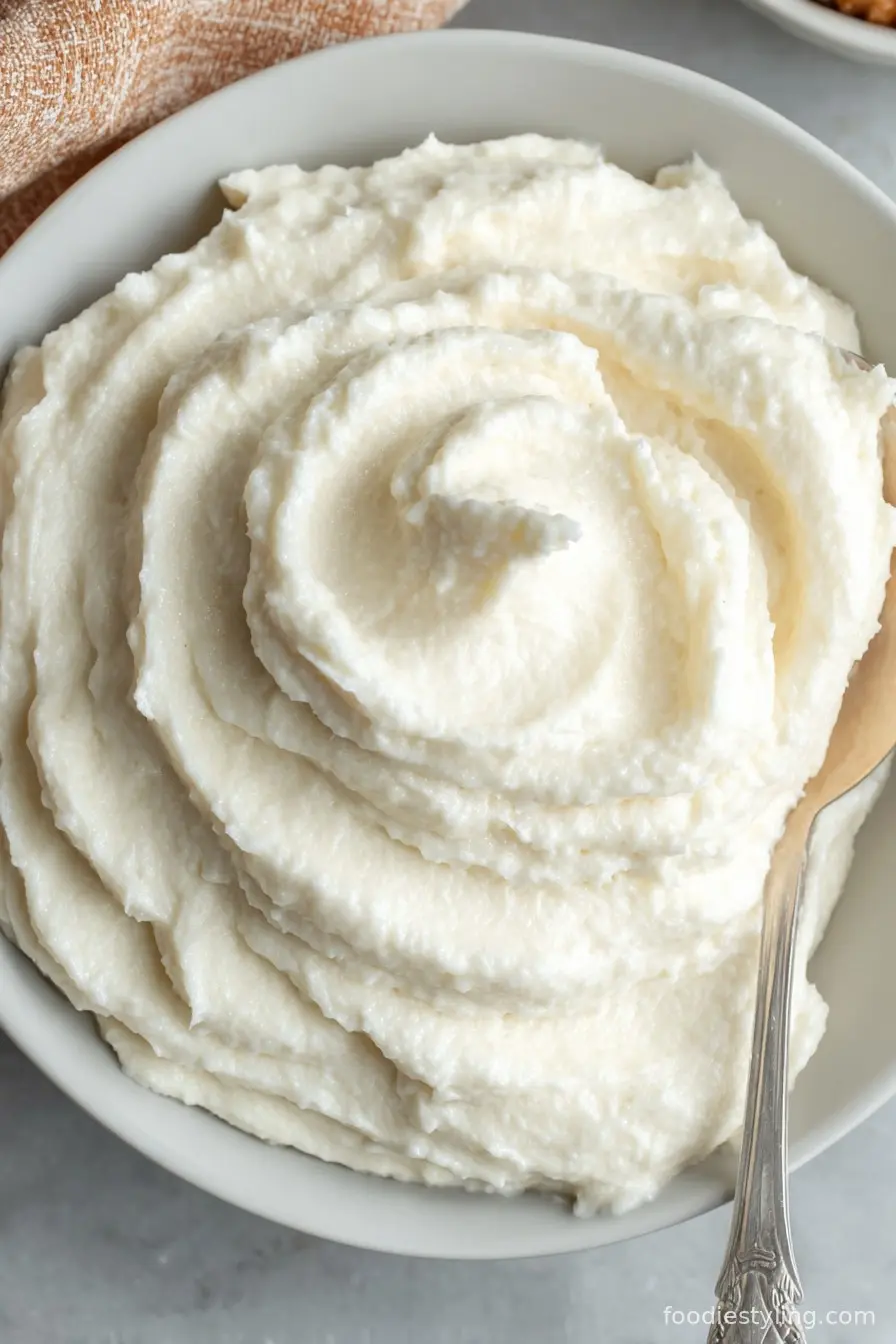
However, not everyone has powdered sugar on hand, and some prefer to avoid it for dietary reasons. Enter Easy Cream Cheese Frosting without Powdered Sugar—a game-changer for home bakers seeking a healthier or more accessible option.
This frosting relies on alternative sweeteners, such as granulated sugar, honey, or maple syrup, offering the same dreamy consistency and tangy sweetness you crave without the extra processing of powdered sugar.
Popularized in recent years by those seeking lower-sugar or less refined options, this frosting is just as versatile as its traditional counterpart. Whether you’re topping classic carrot cake, red velvet cupcakes, or freshly baked cinnamon rolls, this preparation delivers decadent results without compromise.
In this article, we guide you through every step of making easy cream cheese frosting without powdered sugar, complete with ingredient substitutions, expert tips, serving suggestions, and nutritional insights.
With its velvety texture and balanced flavor, this frosting proves you don’t need powdered sugar to create show-stopping desserts that everyone will love.
Ingredients
- 8 ounces (225g) cream cheese, softened to room temperature
- ½ cup (115g) unsalted butter, softened
- ⅓ to ½ cup (65-100g) granulated sugar or ⅓ cup honey/maple syrup
- 1 teaspoon pure vanilla extract
- Pinch of salt
Instructions
- In a large mixing bowl, use a handheld or stand mixer to beat the softened cream cheese and unsalted butter together on medium speed until smooth and creamy, about 2-3 minutes.
- Gradually add the granulated sugar, honey, or maple syrup to the mixture, beating continuously until the frosting thickens and the sugar is fully incorporated. This may take several minutes if using granulated sugar, as it needs time to dissolve.
- Beat in the vanilla extract and a pinch of salt. Continue mixing until the frosting is light, fluffy, and everything is well blended.
- Taste and adjust the sweetness as needed by adding more sugar or sweetener in small increments.
- If the frosting seems too soft, chill it in the refrigerator for 15-20 minutes to firm it up slightly before using.
- Once ready, spread or pipe onto your cooled cakes, cupcakes, or cinnamon rolls as desired. Store leftovers in an airtight container in the refrigerator for up to 5 days.
Nutritional Information
Easy Cream Cheese Frosting without Powdered Sugar offers a slightly healthier twist compared to traditional recipes, mainly due to the absence of refined powdered sugar. Per two-tablespoon serving, this frosting typically provides about 110-130 calories, depending on the exact sweetener used.
The cream cheese and butter contribute essential fats and proteins, with total fat content coming in at around 11 grams, mainly from healthy saturated and monounsaturated fats.
Protein is modest, offering about 1 to 2 grams per serving, but the presence of natural sugar alternatives may minimize the spike in blood sugar. If honey or maple syrup is used as the sweetener, you also benefit from trace minerals and antioxidants.
Granulated sugar versions will have a bit more carbohydrates, predominantly from sugars, around 4-8 grams per serving. Sodium is minimal, especially if you stick to unsalted butter. Vitamins A and D are present in small amounts thanks to the dairy components, providing a slight nutritional boost.
While still a treat, this easy cream cheese frosting without powdered sugar is less processed and can fit into a balanced diet when consumed in moderation. It's perfect for those who are looking to avoid highly refined sugars while enjoying a richly flavored dessert topping.
Wine and Beverage Pairings
Pairing the right beverage with easy cream cheese frosting without powdered sugar enhances the overall dessert experience. For classic cakes such as carrot, red velvet, or hummingbird cake, a chilled glass of semi-sweet North American Riesling or Moscato brings out the tangy sweetness of the frosting.
Alternatively, creamy coffee drinks such as lattes or cappuccinos complement the richness of the frosting, while a robust black tea, like Earl Grey or Darjeeling, provides a pleasantly contrasting astringency. For non-alcoholic options, serve with a tall glass of cold milk or a vanilla-infused iced herbal tea.
If you’re making cupcakes or cookies for children, freshly squeezed orange juice or apple cider can provide a fruity, refreshing balance to the creamy texture of your dessert.
Cooking Tips and Variations
To ensure your easy cream cheese frosting without powdered sugar turns out perfectly, follow a few expert baking tips. First, always start with room temperature ingredients. Cold cream cheese or butter will create lumps and prevent the smooth, creamy consistency you're after.
If you're using granulated sugar, mix longer and consider using a superfine variation for easier dissolution, or dissolve it slightly in a tablespoon of hot water before incorporating. For a thicker frosting, gradually add a tablespoon at a time of cornstarch or almond flour until the desired thickness is reached.
Adjust sweetness by choosing between honey, maple syrup, or natural stevia if you prefer a lower sugar option. Add a splash of lemon juice or a little lemon zest for a tangy kick, which pairs beautifully with fruit-flavored cakes and muffins.
For chocolate lovers, blend in a few tablespoons of cocoa powder or melted dark chocolate at the end for a decadent chocolate cream cheese frosting. If you want a stiffer frosting for piping intricate designs, refrigerate the finished product briefly and use just before decorating.
Experiment with almond, coconut, or lemon extracts as alternate flavors for unique twists that suit various desserts. Finally, always taste as you go—personal preference for sweetness and texture varies, and homemade frosting gives you the flexibility to tweak as you wish.

Serving Suggestions
There are countless ways to showcase easy cream cheese frosting without powdered sugar, making it a versatile staple for any home baker.
Start by spreading a generous layer atop freshly baked cupcakes or muffins—its velvety smoothness pairs perfectly with both traditional favorites like carrot and morning glory muffins, as well as lighter, fruity blueberry or lemon varieties. For special occasions, use this frosting to create beautifully decorated layer cakes.
Simply chill the frosting for twenty minutes before piping to achieve precise swirls or rosettes on birthdays and celebrations. Drizzle over warm cinnamon rolls straight from the oven for the ultimate breakfast treat, or fill sandwich cookies for a decadent snack.
This frosting also works wonders as a surprise filling for homemade crepes or as a dollop atop pancakes and waffles for an indulgent brunch. Take things up a notch by pairing the frosting with a fresh fruit platter—spread onto strawberries or dip apple slices for a simple, satisfying dessert.
Remember that cream cheese frosting shines not only on sweet bakes; swirl it onto pumpkin bread, zucchini cake, or even breakfast scones to add a creamy richness. For summer gatherings, top grilled peaches or pineapple wedges with a spoonful for an unexpected twist.
No matter the baked good or treat, easy cream cheese frosting without powdered sugar delivers a smooth, sweet finish that makes every bite extra special.
Health Benefits
Easy Cream Cheese Frosting without Powdered Sugar boasts several health benefits, especially when compared to traditional versions relying on refined sugars. By using alternatives such as honey, maple syrup, or even less processed granulated sugars, the recipe eliminates the heavily processed elements of typical frostings.
Cream cheese is a good source of calcium and provides some protein, supporting healthy bones and muscle maintenance. Butter, when used in moderate amounts, simplifies ingredient lists and adds quality fats that improve satiety.
Selecting natural sweeteners like honey or maple syrup means you’re adding trace minerals, antioxidants, and even anti-inflammatory properties that powdered sugar lacks. This allows your frosting to deliver not only sweetness but also some nutritional support.
Moreover, because the recipe doesn’t use artificial additives or thickeners, it’s suitable for those seeking cleaner ingredient labels.
If you’re watching blood sugar or avoiding excessive refined carbohydrate intake, using less sugar or opting for a low-glycemic sweetener provides a more balanced approach, making this frosting fit more comfortably into a variety of dietary plans.
Enjoying cream cheese frosting in moderation atop nutrient-rich baked goods can offer both flavorful delight and thoughtful indulgence.
Frequently Asked Questions
Yes, you can substitute low-fat or non-dairy cream cheese to make the frosting lighter or dairy-free. However, texture may be slightly softer, so chill the frosting before spreading for best results.
If your easy cream cheese frosting without powdered sugar is too soft, refrigerate for 15-20 minutes or add a tablespoon of cornstarch or almond flour until you achieve the desired consistency.
Granulated sugar can sometimes result in a slightly grainier texture, especially if not beaten long enough. Use superfine sugar or dissolve it in a small amount of warm liquid for a smoother finish.
Yes, once chilled, this frosting holds its shape well and can be piped for simple decorations. For intricate designs, refrigerate briefly to stiffen further before piping.
Absolutely. Store the frosting in an airtight container and freeze for up to two months. Thaw overnight in the refrigerator, then beat briefly to restore its creamy consistency before using.
Easy Cream Cheese Frosting without Powdered Sugar proves that you don’t need specialized ingredients to enjoy classic, creamy dessert toppings. By choosing natural sweeteners and simple preparation steps, you create a versatile and delicious option that’s every bit as enjoyable as traditional frostings. Ideal for cakes, cupcakes, breakfast treats, and fruit, this frosting adds irresistible flavor and texture without the heaviness of processed sugars. Whether you’re catering to special dietary needs or simply looking for a quicker, cleaner option, this recipe will become a permanent fixture in your baking repertoire. Serve it at family celebrations, casual brunches, or anytime you want to impress with minimal effort. Delight in each bite, confident you’ve made a healthier, tastier choice for your favorite desserts.
Ingredients
- 8 ounces (225g) cream cheese, softened to room temperature
- ½ cup (115g) unsalted butter, softened
- ⅓ to ½ cup (65-100g) granulated sugar or ⅓ cup honey/maple syrup
- 1 teaspoon pure vanilla extract
- Pinch of salt
Instructions
-
1In a large mixing bowl, use a handheld or stand mixer to beat the softened cream cheese and unsalted butter together on medium speed until smooth and creamy, about 2-3 minutes.
-
2Gradually add the granulated sugar, honey, or maple syrup to the mixture, beating continuously until the frosting thickens and the sugar is fully incorporated. This may take several minutes if using granulated sugar, as it needs time to dissolve.
-
3Beat in the vanilla extract and a pinch of salt. Continue mixing until the frosting is light, fluffy, and everything is well blended.
-
4Taste and adjust the sweetness as needed by adding more sugar or sweetener in small increments.
-
5If the frosting seems too soft, chill it in the refrigerator for 15-20 minutes to firm it up slightly before using.
-
6Once ready, spread or pipe onto your cooled cakes, cupcakes, or cinnamon rolls as desired. Store leftovers in an airtight container in the refrigerator for up to 5 days.
Approximate Information for One Serving
Nutrition Disclaimers
Number of total servings shown is approximate. Actual number of servings will depend on your preferred portion sizes.
Nutritional values shown are general guidelines and reflect information for 1 serving using the ingredients listed, not including any optional ingredients. Actual macros may vary slightly depending on specific brands and types of ingredients used.
To determine the weight of one serving, prepare the recipe as instructed. Weigh the finished recipe, then divide the weight of the finished recipe (not including the weight of the container the food is in) by the desired number of servings. Result will be the weight of one serving.
Did you make this recipe?
Please consider Pinning it!