Garlic Parmesan Dinner Rolls are a beloved addition to dinner tables around the world, combining the irresistible aromas of freshly baked bread with the rich flavors of garlic and Parmesan cheese.
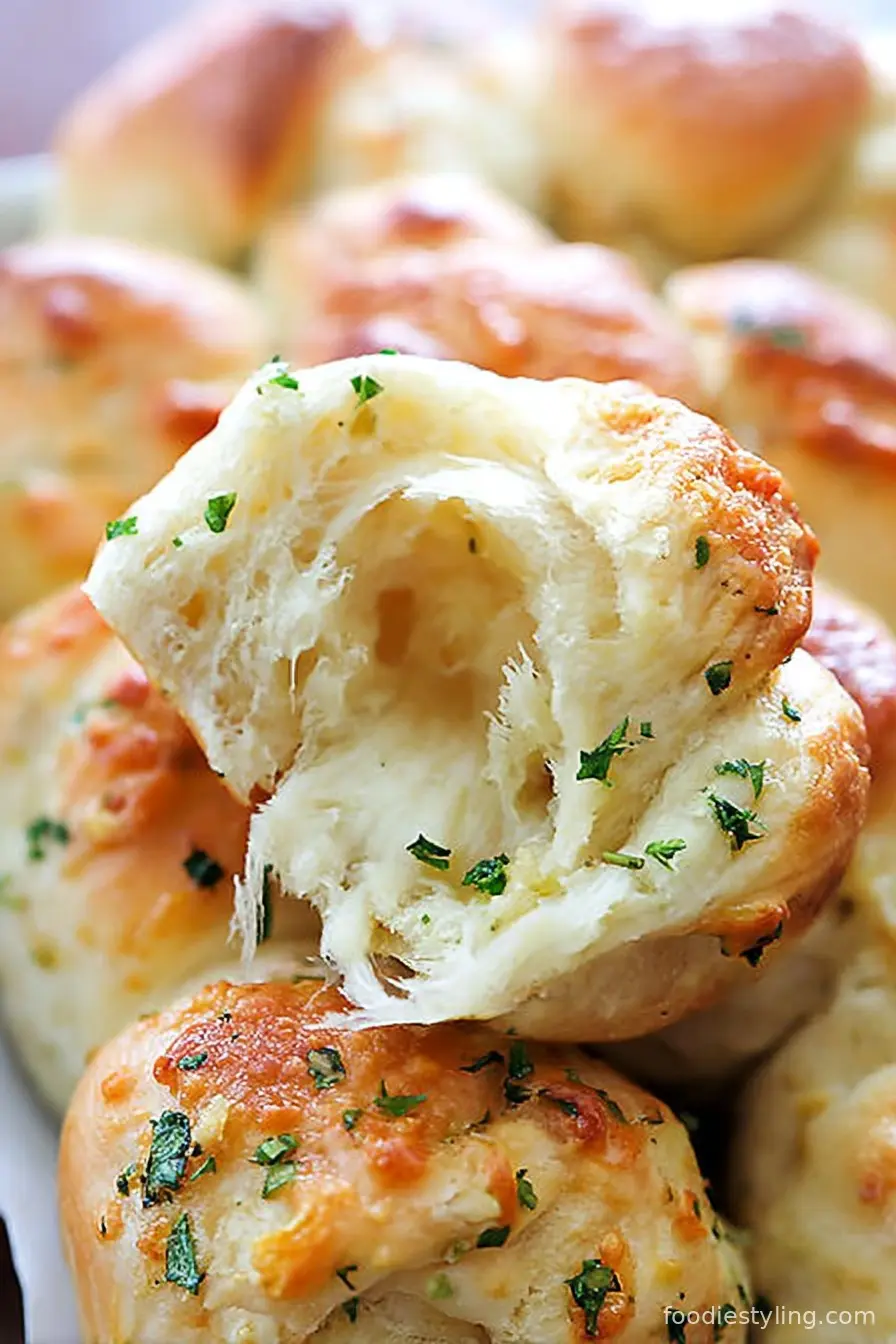
These soft, fluffy rolls are the ultimate comfort food and are guaranteed to elevate any family dinner, holiday gathering, or casual meal with friends. The classic pairing of garlic and Parmesan originates from Italian cuisine, where this dynamic duo is often used to enrich pastas, breads, and savory pastries.
In this recipe, the cheese brings a subtle nuttiness while the garlic infuses every bite with warmth and depth. Making homemade dinner rolls might seem daunting, but this recipe walks you through each step, from activating the yeast to shaping pillowy dough balls to achieving that perfect golden brown crust.
Not only are these rolls delicious and beautiful to serve, but they will also fill your home with the mouthwatering scent of baking bread and melting cheese.
Whether served alongside a hearty soup, roast chicken, or a holiday roast, Garlic Parmesan Dinner Rolls are sure to become a new favorite in your recipe collection.
Ingredients
- 3 ½ cups all-purpose flour
- 2 ¼ teaspoons active dry yeast (1 packet)
- 1 cup warm milk (105°F-110°F)
- ¼ cup granulated sugar
- 1 teaspoon salt
- 4 tablespoons unsalted butter, softened
- 3 cloves garlic, minced
- 1 cup grated Parmesan cheese, divided
- 1 large egg
- 2 tablespoons chopped fresh parsley (optional)
Instructions
- Pour the warm milk into a small bowl and mix in the granulated sugar until dissolved. Sprinkle the yeast over the top and gently stir to combine. Allow this mixture to rest for 5 to 10 minutes, until it becomes foamy and bubbly, indicating the yeast is activated and ready to use.
- In a large mixing bowl, whisk together the all-purpose flour and salt. Add the softened butter to the flour mixture, and use your hands or a pastry blender to cut the butter into the flour until the texture resembles coarse sand with small bits of butter throughout.
- Add the foamy yeast mixture and the egg to the dry ingredients in the large mixing bowl. Stir everything together with a sturdy spoon, or a stand mixer fitted with the dough hook, until a moist and shaggy dough develops.
- Fold in the minced garlic and half of the grated Parmesan cheese, stirring until they are evenly dispersed throughout the dough for robust garlic and cheesy flavor in each bite.
- Transfer the dough to a lightly floured surface and knead it by hand for 8 to 10 minutes, adding a sprinkle of flour if necessary, until it becomes smooth and elastic. If using a stand mixer, continue kneading for about 6 minutes on medium speed.
- Lightly oil a large clean bowl and place the dough inside, turning it to coat all sides with oil. Cover the bowl with a clean kitchen towel and set it in a warm, draft-free area for about 1 hour, or until the dough doubles in size.
- Once the dough has risen, gently punch it down to release excess air. Turn the dough out onto a floured countertop and cut it into 16 equal portions. Roll each piece into a neat ball using your hands, tucking the seams underneath for a smooth appearance.
- Arrange the dough balls in a greased 9x13-inch baking pan, spacing them evenly for even baking. Drape a clean towel over the pan and allow the rolls to rise once more for 30 to 40 minutes, or until they look noticeably puffy and airy.
- While the rolls are rising, preheat your oven to 375°F (190°C) to ensure it is ready for baking.
- When the rolls have finished their second rise, gently brush the tops with melted butter (you may use an extra tablespoon for extra flavor). Sprinkle the remaining Parmesan cheese generously over each roll for a cheesy, crispy topping.
- Bake the rolls in the preheated oven for 18 to 22 minutes. They are ready when the tops are golden brown and they make a hollow sound when lightly tapped. Rotate the pan halfway through baking for even browning if necessary.
- Remove the rolls from the oven. For extra richness, brush the warm tops with more melted butter if desired, and sprinkle with the chopped fresh parsley for a touch of color and freshness. Let them cool slightly before serving warm.
Nutritional Information
Each Garlic Parmesan Dinner Roll offers a delightful balance of energy, providing both satisfaction and taste with each serving. On average, a single roll contains approximately 180 to 210 calories, with most of the energy coming from carbohydrates and a moderate amount of dietary fats.
The use of butter and Parmesan cheese introduces about 6 to 8 grams of fat per roll, some of which are beneficial unsaturated fats from the butter.
These rolls supply around 6 to 8 grams of protein per serving due to the egg, milk, and cheese content, making them more satiating than standard bread rolls.
The granulated sugar and milk add natural sweetness and texture but are present in moderate amounts, making these rolls a smart complement to balanced meals. You'll find roughly 28 grams of carbohydrates in each roll, making them a filling side dish.
Parmesan cheese brings a dose of calcium and vitamin A, important for bone and eye health, while the garlic provides small amounts of manganese, vitamin C, and B6.
However, it's wise to consume these rolls in moderation if monitoring your sodium intake, as Parmesan and added salt do contribute to the sodium levels. Overall, Garlic Parmesan Dinner Rolls are a nourishing and indulgent treat, best enjoyed as part of a wholesome meal.

Wine and Beverage Pairings
Garlic Parmesan Dinner Rolls pair exceptionally well with a variety of beverages. For a sophisticated touch, serve them with a crisp, light-bodied white wine such as Pinot Grigio or Sauvignon Blanc, which complement the garlic and Parmesan without overpowering the flavors.
For red wine lovers, a soft Merlot or a young Chianti makes an excellent pairing, especially if the rolls accompany a rich Italian meal. If you prefer non-alcoholic options, offer sparkling apple cider or a freshly squeezed lemonade to balance the savory notes.
For a cozy family dinner, freshly brewed iced tea or an herbal infusion like mint tea can cleanse the palate and enhance the overall meal.
Cooking Tips and Variations
To achieve the softest, fluffiest Garlic Parmesan Dinner Rolls possible, ensure that your milk is warmed to just the right temperature—about 105°F to 110°F—so the yeast can bloom without being killed off.
If your dough feels too sticky, sprinkle on a little more flour, a tablespoon at a time, until smooth. For even baking and perfectly shaped rolls, weigh each dough portion to keep them the same size.
Let the dough proof in a warm, draft-free environment; if your kitchen is cool, placing the bowl near a stovetop or in an oven with the light on (but not the heat) helps. Elevate flavor by using freshly grated Parmesan and hand-minced garlic.
If you're short on time, you can make the dough ahead by letting it rise in the refrigerator overnight after the initial kneading—just let it come to room temperature before shaping.
To add variety, consider mixing in a teaspoon of Italian herbs or a pinch of red pepper flakes for subtle heat. For a gluten-free version, substitute an all-purpose gluten-free flour blend, adjusting as needed for consistency. If you prefer a richer crust, brush with egg wash before baking.
Top finished rolls with additional herbs like chives or oregano for a fresh finish. These tips ensure consistently perfect Garlic Parmesan Dinner Rolls every time.

Serving Suggestions
Garlic Parmesan Dinner Rolls are wonderfully versatile and can enhance many types of meals. Present them warm in a bread basket lined with a cloth napkin to keep them soft and inviting throughout the meal.
These rolls shine as an accompaniment to robust soups and stews, where their golden crust is perfect for dipping and sopping up broths. Serve alongside pasta dishes such as fettuccine Alfredo or lasagna for an indulgent Italian-inspired feast.
During holiday meals, arrange the rolls around a roast or alongside turkey to offer a flavorful alternative to traditional dinner rolls. For a casual gathering, split the rolls and use them as mini sandwich buns for pulled pork, sliced turkey, or grilled veggies.
To elevate their presentation for special occasions, brush with melted butter infused with additional garlic or herbs and sprinkle a pinch more Parmesan and fresh parsley just before serving. Ideally, enjoy these rolls while they are still slightly warm, when their aromas and textures are at their best.
Leftovers can be gently reheated in the oven for a few minutes or sliced and toasted for breakfast with savory spreads.
Health Benefits
While Garlic Parmesan Dinner Rolls are an indulgent treat, they also offer some surprising nutritional benefits. Garlic, one of the key ingredients, is celebrated for its immune-boosting properties and contains beneficial compounds such as allicin, which can support heart health and help reduce inflammation.
Parmesan cheese provides a concentrated source of protein, calcium, and phosphorus, all of which support bone and muscle health. The eggs and milk in the recipe lend additional protein, vitamins, and minerals, contributing to fuller satiety and smoother blood sugar levels.
Each roll offers a moderate amount of dietary carbohydrates to supply energy, making them an excellent choice for fueling an active lifestyle. To maximize health benefits, always opt for fresh ingredients and enjoy these rolls as part of a balanced meal that includes plenty of vegetables and lean proteins.
If you are watching your calorie or sodium intake, consider preparing smaller rolls or reducing the cheese topping. Moderation is key, but when included as part of a wholesome meal, Garlic Parmesan Dinner Rolls can be a tasty way to boost nutrition and enjoyment at your table.
Frequently Asked Questions
Yes, you can prepare the dough ahead and let it rise in the refrigerator overnight. When ready, let the dough return to room temperature, shape, and continue as directed.
Absolutely. Once baked and cooled, freeze the rolls in an airtight container for up to three months. Thaw at room temperature and reheat in the oven before serving.
Preheat your oven to 300°F and warm the rolls for 5 to 8 minutes. You can also microwave individual rolls for about 20 seconds for a quick option.
Yes, instant yeast can be substituted in equal measure. Add it directly to the flour rather than blooming it in milk, but keep the rest of the instructions the same.
For garlic-free rolls, simply omit the garlic from the recipe. For a dairy-free version, use plant-based butter, dairy-free Parmesan, and your favorite non-dairy milk substitute.
Garlic Parmesan Dinner Rolls embody everything wonderful about homemade bread—warmth, comfort, and irresistible aroma. With their light, fluffy texture and savory flavors, these rolls are destined to become a staple in your kitchen, whether you’re hosting a holiday feast, weeknight dinner, or special occasion. By following this straightforward recipe, you can enjoy bakery-quality bread at home and impress family and friends with your baking skills. Remember the helpful tips and creative variations to make these rolls uniquely your own. Serve them fresh from the oven for the best experience, and watch them disappear from the table as everyone goes back for seconds.
Ingredients
- 3 ½ cups all-purpose flour
- 2 ¼ teaspoons active dry yeast (1 packet)
- 1 cup warm milk (105°F-110°F)
- ¼ cup granulated sugar
- 1 teaspoon salt
- 4 tablespoons unsalted butter, softened
- 3 cloves garlic, minced
- 1 cup grated Parmesan cheese, divided
- 1 large egg
- 2 tablespoons chopped fresh parsley (optional)
Instructions
-
1Pour the warm milk into a small bowl and mix in the granulated sugar until dissolved. Sprinkle the yeast over the top and gently stir to combine. Allow this mixture to rest for 5 to 10 minutes, until it becomes foamy and bubbly, indicating the yeast is activated and ready to use.
-
2In a large mixing bowl, whisk together the all-purpose flour and salt. Add the softened butter to the flour mixture, and use your hands or a pastry blender to cut the butter into the flour until the texture resembles coarse sand with small bits of butter throughout.
-
3Add the foamy yeast mixture and the egg to the dry ingredients in the large mixing bowl. Stir everything together with a sturdy spoon, or a stand mixer fitted with the dough hook, until a moist and shaggy dough develops.
-
4Fold in the minced garlic and half of the grated Parmesan cheese, stirring until they are evenly dispersed throughout the dough for robust garlic and cheesy flavor in each bite.
-
5Transfer the dough to a lightly floured surface and knead it by hand for 8 to 10 minutes, adding a sprinkle of flour if necessary, until it becomes smooth and elastic. If using a stand mixer, continue kneading for about 6 minutes on medium speed.
-
6Lightly oil a large clean bowl and place the dough inside, turning it to coat all sides with oil. Cover the bowl with a clean kitchen towel and set it in a warm, draft-free area for about 1 hour, or until the dough doubles in size.
-
7Once the dough has risen, gently punch it down to release excess air. Turn the dough out onto a floured countertop and cut it into 16 equal portions. Roll each piece into a neat ball using your hands, tucking the seams underneath for a smooth appearance.
-
8Arrange the dough balls in a greased 9x13-inch baking pan, spacing them evenly for even baking. Drape a clean towel over the pan and allow the rolls to rise once more for 30 to 40 minutes, or until they look noticeably puffy and airy.
-
9While the rolls are rising, preheat your oven to 375°F (190°C) to ensure it is ready for baking.
-
10When the rolls have finished their second rise, gently brush the tops with melted butter (you may use an extra tablespoon for extra flavor). Sprinkle the remaining Parmesan cheese generously over each roll for a cheesy, crispy topping.
-
11Bake the rolls in the preheated oven for 18 to 22 minutes. They are ready when the tops are golden brown and they make a hollow sound when lightly tapped. Rotate the pan halfway through baking for even browning if necessary.
-
12Remove the rolls from the oven. For extra richness, brush the warm tops with more melted butter if desired, and sprinkle with the chopped fresh parsley for a touch of color and freshness. Let them cool slightly before serving warm.
Approximate Information for One Serving
Nutrition Disclaimers
Number of total servings shown is approximate. Actual number of servings will depend on your preferred portion sizes.
Nutritional values shown are general guidelines and reflect information for 1 serving using the ingredients listed, not including any optional ingredients. Actual macros may vary slightly depending on specific brands and types of ingredients used.
To determine the weight of one serving, prepare the recipe as instructed. Weigh the finished recipe, then divide the weight of the finished recipe (not including the weight of the container the food is in) by the desired number of servings. Result will be the weight of one serving.
Did you make this recipe?
Please consider Pinning it!