
Gyeran Bap, also known as Korean Egg Rice, is a timeless comfort food beloved in Korean households for generations.
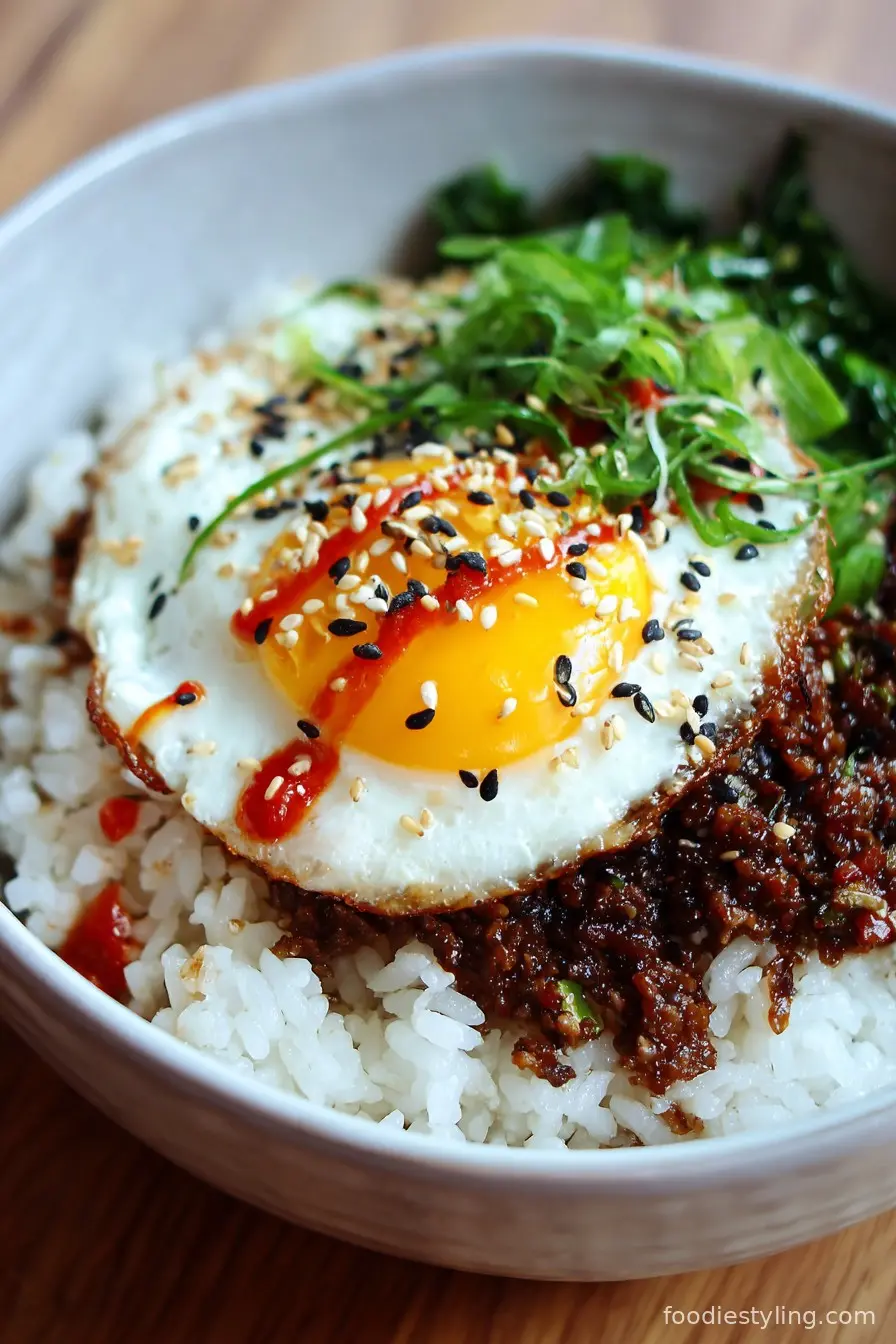
This dish, rooted in a tradition of simple yet nourishing meals, combines piping hot steamed rice with a perfectly cooked egg, a touch of soy sauce, and a drizzle of sesame oil.
The beauty of Gyeran Bap (Korean Egg Rice) lies in its versatility and ease of preparation, making it a popular choice for breakfast, lunch, or even a quick midnight snack. With only a handful of pantry staples, anyone can recreate the warmth and satisfaction this meal provides.
Historically, Gyeran Bap became popular due to its affordability and the availability of rice and eggs in most Korean homes. It was the go-to meal for busy families, students, and anyone seeking something hearty yet unpretentious.
With modern culinary trends, this humble dish has resurged in global kitchens, resonating with those looking for authentic flavors without the fuss. The base of fluffy, short-grain rice serves as a canvas for the rich, runny egg yolk, harmonizing savory soy sauce and fragrant sesame oil.
While traditionally minimal, toppings like seaweed flakes, scallions, and roasted sesame seeds elevate the texture and flavor. Whether you’re new to Korean cuisine or searching for a quick, soul-soothing meal, this Gyeran Bap (Korean Egg Rice) recipe is your gateway to a taste of Korea’s home-cooked goodness.
Ingredients
- 2 cups cooked short-grain white rice (freshly steamed and hot)
- 2 large eggs
- 1 tablespoon soy sauce
- 2 teaspoons toasted sesame oil
- 1 teaspoon unsalted butter (optional)
- 1 sheet roasted seaweed (gim/nori), cut into thin strips
- 1 tablespoon toasted sesame seeds
- 1 scallion, finely sliced
- Freshly ground black pepper to taste
Instructions
- Prepare the rice just before serving to ensure it is hot and fluffy. Ideally, use freshly cooked short-grain white rice for authentic texture.
- While the rice is cooking or reheating, prepare the toppings: slice the scallion, cut the roasted seaweed into thin strips, and set aside the sesame seeds.
- Heat a nonstick skillet over medium heat. Add the butter (if using) and allow it to melt. Crack the eggs into the skillet and cook until the whites are set and the yolks are still slightly runny for a sunny-side-up egg. For a more cooked yolk, flip the eggs and cook to your preference.
- In two serving bowls, evenly divide the hot rice. Gently slide one cooked egg atop each bowl of rice.
- Drizzle each bowl with ½ tablespoon of soy sauce and 1 teaspoon of sesame oil.
- Top with sliced scallions, roasted seaweed strips, and a generous sprinkle of toasted sesame seeds.
- Finish with a dash of freshly ground black pepper. Mix everything together gently with a spoon before eating, allowing the egg yolk and seasonings to coat the rice.
- Serve immediately while hot, optionally with kimchi or pickled radish as a side.
Nutritional Information
Gyeran Bap (Korean Egg Rice) stands out as a dish that’s both wholesome and balanced. Each serving typically provides around 375–425 calories, depending on portion sizes and any added toppings. The eggs offer high-quality protein, containing essential amino acids necessary for muscle health and bodily repair.
Short-grain white rice serves as a primary source of carbohydrates, giving quick and sustained energy but can easily be substituted with brown rice for an extra boost of fiber and nutrients. The inclusion of sesame oil provides heart-healthy fats and lends a nutty aroma.
Soy sauce, when used in moderation, introduces vital trace minerals but should be limited for those monitoring sodium intake. Toppings like seaweed and sesame seeds bring extra vitamins and minerals such as iodine, calcium, and iron, enriching the meal’s nutritional profile.
The dish is naturally free from dairy unless butter is included, and is easy to adapt for vegetarians. Gyeran Bap (Korean Egg Rice) can be made more nutrient-dense by adding blanched vegetables, kimchi, or fermented soybean paste (doenjang) for probiotics.
Overall, this Korean comfort food offers an excellent balance of macro and micronutrients, making it both satisfying and nourishing for all ages.
Wine and Beverage Pairings
Gyeran Bap (Korean Egg Rice) pairs beautifully with a variety of beverages. For breakfast or a light lunch, try a steaming cup of Korean barley tea (bori-cha) for its toasted grain flavor and digestive benefits.
If you’re serving Gyeran Bap as part of a larger meal, a mild Korean rice drink (sikhye) offers a sweet contrast.
For an adult pairing, a crisp, light white wine such as Sauvignon Blanc or a sparkling wine complements the richness of the egg and sesame oil without overpowering the dish. Green tea or lightly fermented kombucha also make refreshing and healthful non-alcoholic options.
Cooking Tips and Variations
Making Gyeran Bap (Korean Egg Rice) is straightforward, but a few pro tips can enhance its flavor and texture. Use freshly steamed rice for the most authentic taste and ideal fluffiness; leftover rice works but is best reheated with a splash of water to restore moisture.
For perfect eggs, sunny-side-up is traditional because the runny yolk makes the rice creamy, but you can prepare the egg to your liking—soft scrambled eggs also work well. Toasted sesame oil is key for that signature nutty aroma, so don’t skip or substitute it.
Adjust soy sauce to your preference or swap for tamari if gluten-sensitive. Enhance umami by mixing in a touch of gochujang (Korean chili paste) or a sprinkle of furikake. For a heartier meal, top with sautéed mushrooms, blanched spinach, or shredded carrots.
If you want crunch, toss in some kimchi or crispy fried shallots. For vegans, simply omit the egg or use a plant-based substitute. Gyeran Bap (Korean Egg Rice) is highly customizable – let your cravings and pantry guide you.

Serving Suggestions
Gyeran Bap (Korean Egg Rice) shines when served fresh and piping hot. Traditional presentation involves placing the hot rice into individual bowls, followed by gently nestling a fried egg on top. Drizzle with soy sauce and sesame oil just before eating to preserve their aroma.
Garnish with sliced scallions, roasted seaweed, and toasted sesame seeds for visual appeal and extra layers of taste. To turn this quick meal into a more elaborate feast, offer a side of spicy kimchi, pickled radishes (danmuji), or a bowl of miso or doenjang soup.
It’s also common to serve Gyeran Bap (Korean Egg Rice) as a comforting breakfast, ideal for busy mornings when a hearty start is needed. For families, create a DIY bar with an array of toppings like avocado, sautéed greens, or shredded nori so everyone can customize their own bowl.
If entertaining guests, consider presenting the egg rice in stone bowls (dolsot) to keep it warm longer and add a rustic Korean flair. Ensure that the toppings are pre-prepped, so assembly is quick and efficient.
Regardless of how you serve it, encourage diners to mix everything together so the egg yolk, seasonings, and rice create a unified, creamy texture that’s utterly satisfying.
Health Benefits
Gyeran Bap (Korean Egg Rice) offers a range of health benefits thanks to its simple yet nutritious components. Eggs are an excellent source of complete protein, choline, B vitamins, and key minerals that contribute to cognitive function and cellular health.
Sesame oil introduces beneficial monounsaturated and polyunsaturated fatty acids, which support heart health. Seaweed, frequently used as a topping, is rich in iodine, antioxidants, and micronutrients vital for thyroid function and immune support.
Using minimal oil and low-sodium soy sauce can reduce saturated fat and overall sodium content, making this dish suitable for those watching their heart health or blood pressure. Brown rice or multi-grain alternatives can add fiber, aiding digestion and promoting satiety.
For a boost in probiotics and gut health, pair Gyeran Bap (Korean Egg Rice) with kimchi or fermented side dishes. This meal is adjustable for various dietary requirements and can be made gluten-free with tamari or naturally gluten-free soy sauce.
Overall, this comforting bowl balances satiation with nutrition, making it an excellent choice for most diets.
Frequently Asked Questions
Yes, you can use leftover rice. Reheat it with a splash of water to restore moisture and fluffiness before assembling your bowl.
Yes, this dish is vegetarian as long as you use plant-based butter or omit it, and ensure your soy sauce is also vegetarian-friendly.
Substitute regular soy sauce with gluten-free tamari or certified gluten-free soy sauce to enjoy a gluten-free version.
Popular add-ins include sautéed vegetables, diced avocado, shredded chicken, kimchi, or a dash of gochujang for spice. Customize to taste.
It’s best enjoyed fresh, but you can pre-cook ingredients and assemble just before serving. Avoid mixing the egg and rice until you’re ready to eat.
Gyeran Bap (Korean Egg Rice) exemplifies the magic of simple cooking—transforming basic pantry staples into a dish that’s warm, nourishing, and endlessly adaptable. Whether you enjoy it for breakfast, as a quick meal, or dressed up with an array of toppings, this Korean comfort food brings a little taste of home to any table. Its ease of preparation and customizable nature have helped it remain a favorite across generations. Try this timeless recipe for Gyeran Bap (Korean Egg Rice) and savor the harmonious blend of flavors and textures in every bite.
Ingredients
- 2 cups cooked short-grain white rice (freshly steamed and hot)
- 2 large eggs
- 1 tablespoon soy sauce
- 2 teaspoons toasted sesame oil
- 1 teaspoon unsalted butter (optional)
- 1 sheet roasted seaweed (gim/nori), cut into thin strips
- 1 tablespoon toasted sesame seeds
- 1 scallion, finely sliced
- Freshly ground black pepper to taste
Instructions
-
1Prepare the rice just before serving to ensure it is hot and fluffy. Ideally, use freshly cooked short-grain white rice for authentic texture.
-
2While the rice is cooking or reheating, prepare the toppings: slice the scallion, cut the roasted seaweed into thin strips, and set aside the sesame seeds.
-
3Heat a nonstick skillet over medium heat. Add the butter (if using) and allow it to melt. Crack the eggs into the skillet and cook until the whites are set and the yolks are still slightly runny for a sunny-side-up egg. For a more cooked yolk, flip the eggs and cook to your preference.
-
4In two serving bowls, evenly divide the hot rice. Gently slide one cooked egg atop each bowl of rice.
-
5Drizzle each bowl with ½ tablespoon of soy sauce and 1 teaspoon of sesame oil.
-
6Top with sliced scallions, roasted seaweed strips, and a generous sprinkle of toasted sesame seeds.
-
7Finish with a dash of freshly ground black pepper. Mix everything together gently with a spoon before eating, allowing the egg yolk and seasonings to coat the rice.
-
8Serve immediately while hot, optionally with kimchi or pickled radish as a side.
Approximate Information for One Serving
Nutrition Disclaimers
Number of total servings shown is approximate. Actual number of servings will depend on your preferred portion sizes.
Nutritional values shown are general guidelines and reflect information for 1 serving using the ingredients listed, not including any optional ingredients. Actual macros may vary slightly depending on specific brands and types of ingredients used.
To determine the weight of one serving, prepare the recipe as instructed. Weigh the finished recipe, then divide the weight of the finished recipe (not including the weight of the container the food is in) by the desired number of servings. Result will be the weight of one serving.
Did you make this recipe?
Please consider Pinning it!