Transport your taste buds to the sunny shores of the Pacific with this vibrant dish, One Pot Hawaiian Chicken and Coconut Rice. This recipe is inspired by the bold flavors and colorful elements of Hawaiian cuisine, renowned for blending influences from Polynesian traditions with Asian and American culinary approaches.
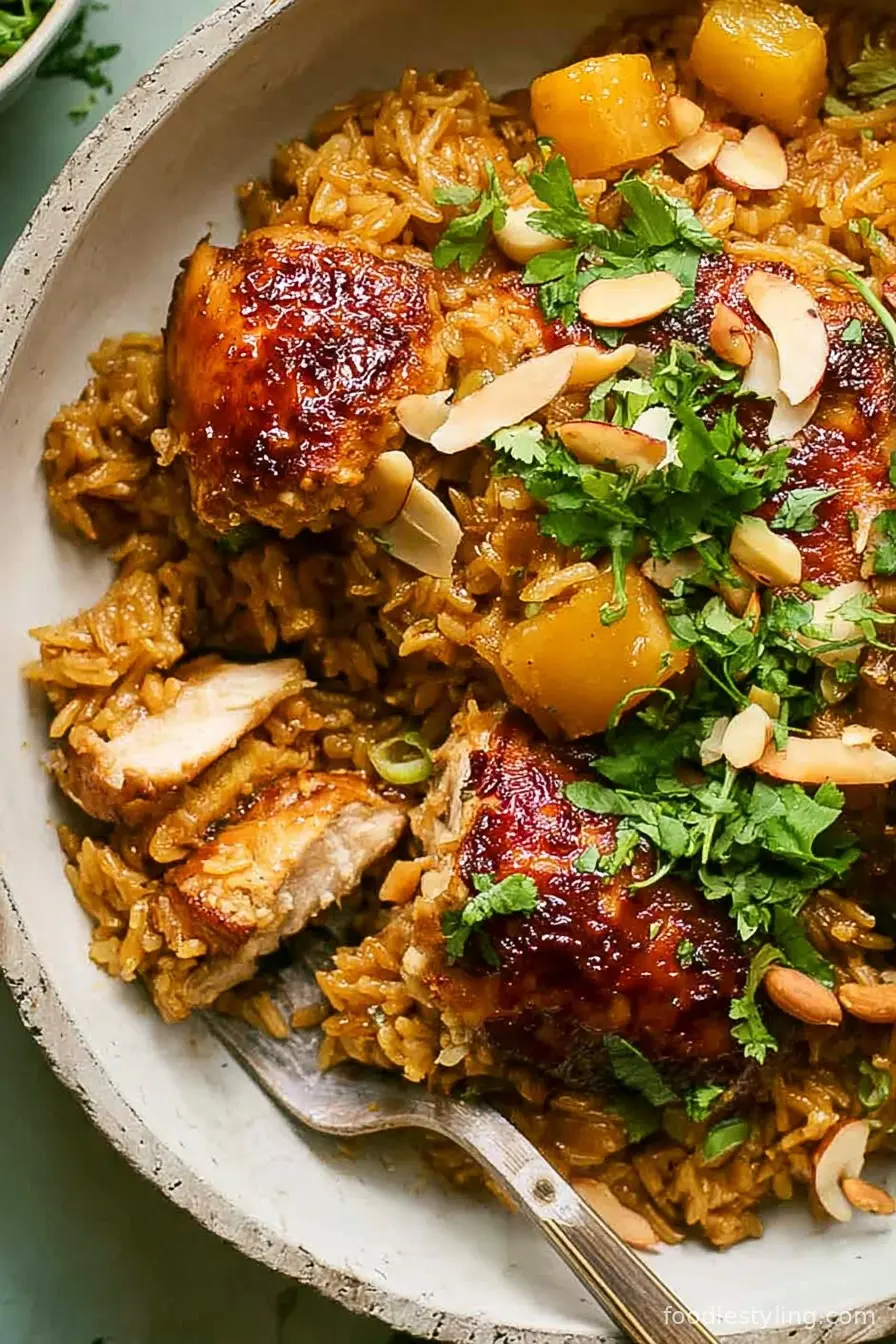
The dish offers a perfectly balanced medley of juicy chicken thighs marinated in coconut aminos, honey, and pineapple juice, paired with fluffy jasmine rice enriched with coconut milk and tangy pineapple chunks. Each bite is a tropical escape, featuring layers of savory, sweet, and aromatic notes.
In Hawaii, combining fruit like pineapple with savory chicken and fragrant rice is as much a nod to the state’s agricultural bounty as it is to its globally-inspired food history. The focus on simple preparation—using just one pot—makes this recipe a breeze for weeknights and impressive enough for entertaining.
Whether you're new to island-inspired cooking or a devoted fan, One Pot Hawaiian Chicken and Coconut Rice is guaranteed to become a favorite. The easy, fuss-free cleanup coupled with robust flavors means delicious, wholesome dinners are never out of reach.
Let’s embark on this Hawaiian culinary adventure that will fill your kitchen with irresistible aromas and your table with smiles.
Ingredients
- ½ cup coconut aminos
- ½ cup full fat canned coconut milk, shaken
- 2 tablespoons honey
- 2 cloves garlic, minced
- 2 teaspoons sesame oil
- 1 teaspoon kosher salt
- ¼ cup 100% pineapple juice (from the canned pineapple below)
- 1 ½ lbs boneless skinless chicken thighs
- 1 tablespoon olive oil or avocado oil
- 1 (13.5 ounce) can full fat coconut milk, shaken
- 1 teaspoon garlic powder
- ½ teaspoon onion powder
- 1 teaspoon ground ginger
- 1 teaspoon kosher salt
- ¼ teaspoon pepper
- 1 ½ cups uncooked jasmine rice (or long grain white rice)
- 1 (20 ounce) can pineapple chunks in 100% pineapple juice
- To garnish: cilantro, chopped cashews, or toasted coconut
Instructions
- Begin by draining the pineapple chunks from their juice, reserving both the juice and the fruit. Store the pineapple chunks in an airtight container in the refrigerator until needed. Measure out ¼ cup of the reserved pineapple juice and set aside the remaining juice for use later in the recipe. Prepare the marinade by combining the coconut aminos, ½ cup coconut milk, honey, minced garlic, sesame oil, kosher salt, and the ¼ cup pineapple juice in a large resealable plastic or reusable storage bag.
- Place the chicken thighs into the marinade bag, seal securely, and massage gently to ensure the marinade coats each piece evenly. Refrigerate for a minimum of 1 hour, up to 24 hours for optimal flavor. Marinating overnight allows the chicken to absorb the tropical notes deeply, resulting in incredibly tender and flavorful meat. This step can be prepared ahead to make dinnertime even easier.
- Heat the olive or avocado oil in a deep, heavy-bottomed sauté pan or Dutch oven over medium-high heat. Remove the marinated chicken from the bag, allowing excess marinade to drip off, and discard the used marinade. Arrange the chicken thighs in the hot pan in a single layer, searing for 3-4 minutes on one side to develop a golden-brown crust. Turn each thigh and cook an additional 1-2 minutes on the other side. The chicken need not cook through at this stage, as it will finish cooking alongside the rice. Transfer the browned chicken onto a plate temporarily.
- In a large measuring cup, combine the reserved pineapple juice with the remaining canned coconut milk until you have a total of three cups of liquid. If you are slightly under this amount, add enough water to reach the correct volume. This flavorful base infuses the rice with creamy coconut and a subtle sweetness from the pineapple.
- Pour this liquid mixture into the same pan used to brown the chicken, using a wooden spoon to scrape up any caramelized bits stuck to the bottom—these flavorful remnants will enhance the finished dish. Sprinkle in the garlic powder, onion powder, ground ginger, kosher salt, and pepper, stirring to dissolve the spices into the liquid.
- Once the liquid comes to a gentle simmer over medium-high heat, add the uncooked jasmine rice and the set-aside pineapple chunks. Stir thoroughly to distribute the rice and pineapple evenly throughout the pan, ensuring the grains are all submerged in the liquid for consistent cooking.
- Gently nestle the seared chicken thighs on top of the rice and pineapple mixture in the pan. Cover with a tight-fitting lid, reduce the heat to low, and allow everything to simmer undisturbed for 20 to 25 minutes. The dish is ready when the rice is fluffy and tender, and the chicken thighs have reached an internal temperature of at least 165°F (74°C).
- Once cooked, remove from heat and let the pot sit—covered—for an additional 5 minutes to allow the flavors to meld. Fluff the rice with a fork and garnish generously with chopped cilantro, chopped cashews, or toasted coconut for added texture and a touch of tropical elegance. Serve hot and enjoy your One Pot Hawaiian Chicken and Coconut Rice!
Nutritional Information
One Pot Hawaiian Chicken and Coconut Rice offers a hearty and well-rounded nutritional profile, blending lean protein, complex carbohydrates, and healthy fats in a single dish. The boneless, skinless chicken thighs provide an excellent source of high-quality protein, essential for muscle maintenance and satiety.
Jasmine rice, while mainly a source of carbohydrates, delivers energy and pairs seamlessly with the creamy coconut milk—rich in medium-chain triglycerides (MCTs) that may support metabolism and sustained energy. Pineapple chunks introduce dietary fiber and a boost of vitamin C, enhancing immune support and aiding digestion.
The inclusion of coconut aminos and sesame oil provides sodium, healthy fats, and subtle umami, ensuring each bite bursts with flavor without an overload of refined ingredients. While honey adds natural sweetness, it is used in moderation to balance the meal without significantly impacting overall caloric load.
Each serving, when divided into approximately six portions, delivers a balanced macronutrient profile with protein, fats, and carbohydrates, alongside key micronutrients like potassium (from coconut and pineapple) and antioxidants from fresh garnishes.
Those mindful of sodium intake may wish to monitor the addition of kosher salt and the quantity of coconut aminos used. The absence of dairy and gluten in this recipe also makes it accessible to a wide range of dietary needs, including gluten-free and lactose-intolerant individuals.
Wine and Beverage Pairings
Pair One Pot Hawaiian Chicken and Coconut Rice with drinks that complement its tropical, slightly sweet flavors. A chilled glass of Riesling, with its citrus and floral notes, balances the dish’s savory and fruity elements.
Alternatively, a light, crisp Sauvignon Blanc or a sparkling Prosecco brings out pineapple’s tang and the richness of coconut. For non-alcoholic options, opt for iced hibiscus tea, which offers refreshing tartness, or a coconut water-based mocktail enhanced with fresh lime juice.
For a playful touch, serve a classic Hawaiian mai tai or a pineapple-coconut smoothie to fully embrace the island theme.
Cooking Tips and Variations
For optimal flavor, marinate the chicken thighs overnight if possible—this extended time allows the sweet and savory notes of the marinade to penetrate deeply, resulting in especially juicy meat. If you are short on time, even a one-hour marinade will infuse the chicken with noticeable flavor.
When searing the chicken, use a pan that retains heat well (such as a heavy sauté pan or Dutch oven) to develop a rich, golden crust, which adds depth to the finished dish. Feel free to substitute olive oil with avocado oil for its high smoke point and neutral taste.
For added complexity, consider stirring in a small amount of finely chopped fresh ginger or a dash of chili flakes for gentle heat.
If jasmine rice is unavailable, long-grain white rice is a suitable alternative, though you should monitor the liquid and cooking time as different rice varieties absorb moisture at different rates. For a vegetarian version, substitute chicken thighs with firm tofu chunks or tempeh and adjust the marination time accordingly.
To add extra color and nutrients, toss in a handful of steamed peas, sliced bell peppers, or diced carrots when mixing in the rice and pineapple. Leftovers can be stored in the refrigerator for up to three days and reheat beautifully, making this dish a great meal-prep option.

Serving Suggestions
Serve One Pot Hawaiian Chicken and Coconut Rice straight from the stove for a casual, family-style meal—spooning generous portions onto individual plates or a large serving platter.
For gatherings or potlucks, garnish with a flurry of chopped cilantro, a sprinkle of chopped cashews, or a handful of toasted coconut flakes right before serving for an eye-catching finish.
This dish pairs wonderfully with simple sides such as a crisp green salad with citrusy vinaigrette, steamed edamame, or sliced cucumbers to add freshness and crunch. For a more elaborate Hawaiian-inspired feast, consider offering grilled vegetables or sweet potato wedges on the side.
To make the meal even more special for guests, serve each portion in a hollowed-out half-pineapple bowl for a dramatic, tropical presentation. Don’t forget to provide lime wedges on the side; a quick squeeze before eating brightens the dish and highlights its fruity notes.
When serving leftovers, gently reheat in a covered skillet with a splash of coconut milk to ensure the rice stays moist and the flavors stay bold.
Health Benefits
One Pot Hawaiian Chicken and Coconut Rice is a nourishing meal featuring wholesome, minimally processed ingredients. Chicken thighs deliver high-quality, complete protein, enhancing muscle repair and overall satiety.
Coconut milk, high in medium-chain triglycerides, may support heart health in moderation and provides a creamy, dairy-free option for those with lactose intolerance. Pineapple adds natural sweetness, fiber, antioxidants, and a significant amount of vitamin C, helping support skin health and immune function.
Using coconut aminos as a marinade base ensures a gluten-free and soy-free alternative to traditional soy sauce, reducing allergen risk for sensitive individuals. The inclusion of heart-healthy oils such as olive or avocado oil maintains a focus on unsaturated fats, and honey provides an unrefined source of sweetness.
Topping with nuts and fresh herbs adds a boost of phytonutrients and healthy fats. The recipe balances macronutrients while avoiding artificial ingredients and excess sodium, making it an excellent choice for those seeking a wholesome, globally inspired meal that fits within a variety of dietary patterns.
Frequently Asked Questions
Yes, boneless, skinless chicken breasts can be substituted for thighs. However, breasts tend to be leaner and may dry out more quickly, so adjust cooking times if needed. Monitor closely to avoid overcooking.
Absolutely! This recipe is naturally dairy-free due to the use of coconut milk, and coconut aminos are a gluten-free alternative to soy sauce, making it perfect for gluten-sensitive diners.
Yes, the dish can be made ahead and stored in the refrigerator for up to three days. Reheat gently with a splash of coconut milk or water to keep the rice moist and flavorful.
If coconut aminos are unavailable, low-sodium soy sauce or tamari (for gluten-free) can be used, though the flavor will be more robust and may require a slight reduction in added salt.
Be sure to measure the liquid accurately and avoid lifting the lid during cooking, as steam is essential for perfectly fluffy rice. Let the pot rest covered after simmering for best results.
One Pot Hawaiian Chicken and Coconut Rice embodies the essence of island comfort food, bringing together savory, sweet, and creamy elements in an approachable one-pan meal. It’s a dish that invites relaxation and connection, reminiscent of warm Hawaiian evenings with family and friends. The recipe’s flexibility makes it ideal for busy weeknights, special occasions, or weekend meal prepping, and its blend of wholesome ingredients supports a healthful, well-balanced lifestyle. Enjoy this vibrant, easy-to-make meal that will transport your kitchen to the tropics any time of year!
Ingredients
- ½ cup coconut aminos
- ½ cup full fat canned coconut milk, shaken
- 2 tablespoons honey
- 2 cloves garlic, minced
- 2 teaspoons sesame oil
- 1 teaspoon kosher salt
- ¼ cup 100% pineapple juice (from the canned pineapple below)
- 1 ½ lbs boneless skinless chicken thighs
- 1 tablespoon olive oil or avocado oil
- 1 (13.5 ounce) can full fat coconut milk, shaken
- 1 teaspoon garlic powder
- ½ teaspoon onion powder
- 1 teaspoon ground ginger
- 1 teaspoon kosher salt
- ¼ teaspoon pepper
- 1 ½ cups uncooked jasmine rice (or long grain white rice)
- 1 (20 ounce) can pineapple chunks in 100% pineapple juice
- To garnish: cilantro, chopped cashews, or toasted coconut
Instructions
-
1Begin by draining the pineapple chunks from their juice, reserving both the juice and the fruit. Store the pineapple chunks in an airtight container in the refrigerator until needed. Measure out ¼ cup of the reserved pineapple juice and set aside the remaining juice for use later in the recipe. Prepare the marinade by combining the coconut aminos, ½ cup coconut milk, honey, minced garlic, sesame oil, kosher salt, and the ¼ cup pineapple juice in a large resealable plastic or reusable storage bag.
-
2Place the chicken thighs into the marinade bag, seal securely, and massage gently to ensure the marinade coats each piece evenly. Refrigerate for a minimum of 1 hour, up to 24 hours for optimal flavor. Marinating overnight allows the chicken to absorb the tropical notes deeply, resulting in incredibly tender and flavorful meat. This step can be prepared ahead to make dinnertime even easier.
-
3Heat the olive or avocado oil in a deep, heavy-bottomed sauté pan or Dutch oven over medium-high heat. Remove the marinated chicken from the bag, allowing excess marinade to drip off, and discard the used marinade. Arrange the chicken thighs in the hot pan in a single layer, searing for 3-4 minutes on one side to develop a golden-brown crust. Turn each thigh and cook an additional 1-2 minutes on the other side. The chicken need not cook through at this stage, as it will finish cooking alongside the rice. Transfer the browned chicken onto a plate temporarily.
-
4In a large measuring cup, combine the reserved pineapple juice with the remaining canned coconut milk until you have a total of three cups of liquid. If you are slightly under this amount, add enough water to reach the correct volume. This flavorful base infuses the rice with creamy coconut and a subtle sweetness from the pineapple.
-
5Pour this liquid mixture into the same pan used to brown the chicken, using a wooden spoon to scrape up any caramelized bits stuck to the bottom—these flavorful remnants will enhance the finished dish. Sprinkle in the garlic powder, onion powder, ground ginger, kosher salt, and pepper, stirring to dissolve the spices into the liquid.
-
6Once the liquid comes to a gentle simmer over medium-high heat, add the uncooked jasmine rice and the set-aside pineapple chunks. Stir thoroughly to distribute the rice and pineapple evenly throughout the pan, ensuring the grains are all submerged in the liquid for consistent cooking.
-
7Gently nestle the seared chicken thighs on top of the rice and pineapple mixture in the pan. Cover with a tight-fitting lid, reduce the heat to low, and allow everything to simmer undisturbed for 20 to 25 minutes. The dish is ready when the rice is fluffy and tender, and the chicken thighs have reached an internal temperature of at least 165°F (74°C).
-
8Once cooked, remove from heat and let the pot sit—covered—for an additional 5 minutes to allow the flavors to meld. Fluff the rice with a fork and garnish generously with chopped cilantro, chopped cashews, or toasted coconut for added texture and a touch of tropical elegance. Serve hot and enjoy your One Pot Hawaiian Chicken and Coconut Rice!
Approximate Information for One Serving
Nutrition Disclaimers
Number of total servings shown is approximate. Actual number of servings will depend on your preferred portion sizes.
Nutritional values shown are general guidelines and reflect information for 1 serving using the ingredients listed, not including any optional ingredients. Actual macros may vary slightly depending on specific brands and types of ingredients used.
To determine the weight of one serving, prepare the recipe as instructed. Weigh the finished recipe, then divide the weight of the finished recipe (not including the weight of the container the food is in) by the desired number of servings. Result will be the weight of one serving.
Did you make this recipe?
Please consider Pinning it!