Spicy Salmon Crispy Rice is a contemporary recipe that has taken appetizer menus by storm, especially in Asian fusion cuisine and trendy restaurants. This dish changes the narrative around sushi by blending crispy, golden-browned rice squares with a creamy, spicy salmon topping, offering contrasting textures and flavors in each bite.
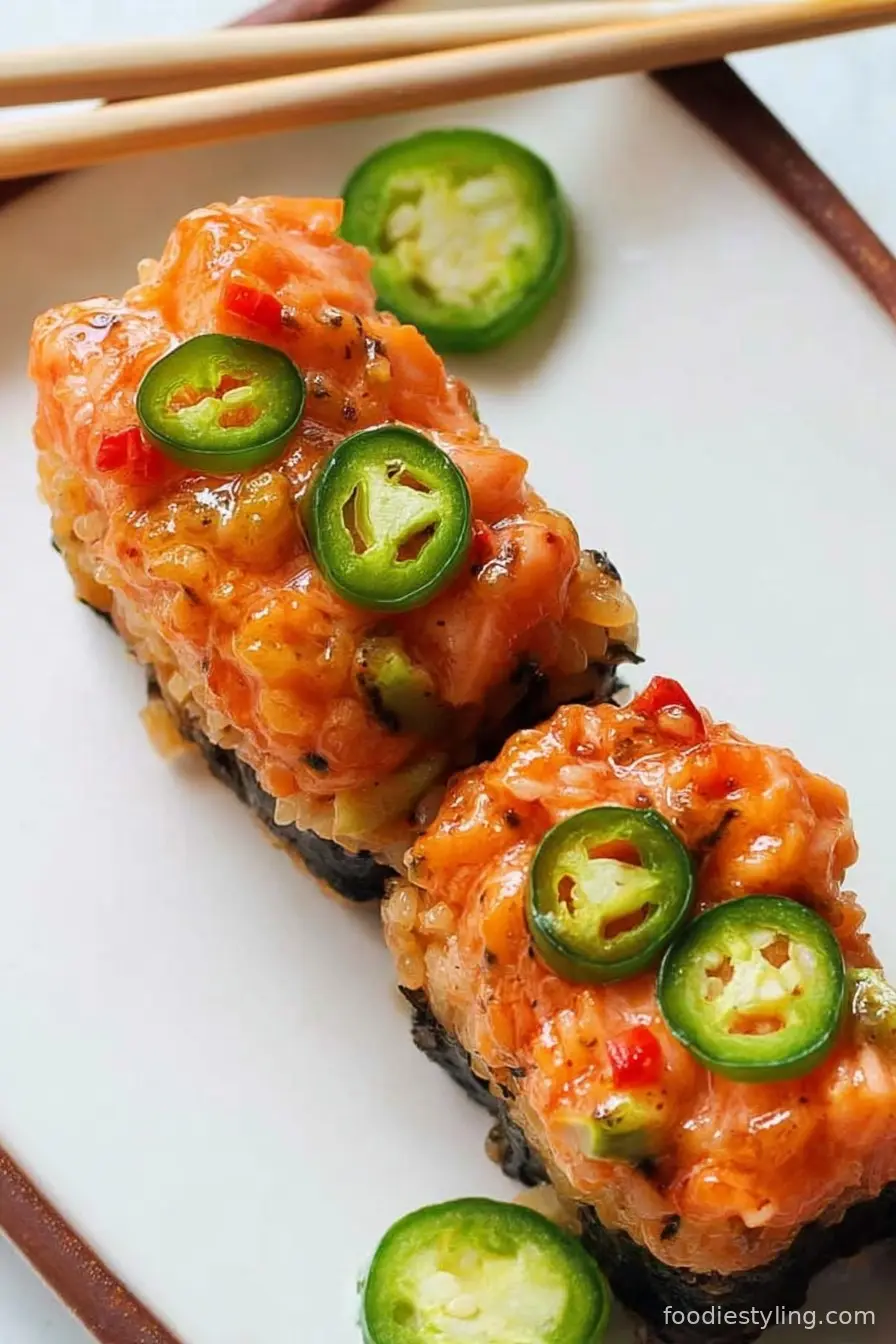
Spicy Salmon Crispy Rice draws inspiration from Japanese sushi traditions and American innovation, where the familiar base of vinegared sushi rice is fried to create petite, crispy rectangles. These are then topped with a fiery salmon mixture that balances the richness of the fish with spicy notes and umami undertones.
Sushi lovers and fans of spicy food alike are drawn to this dish for its complex mouthfeel, the satisfying crunch of the rice, and the fresh, bright taste of the salmon.
While traditional sushi involves raw fish and seasoned rice, Spicy Salmon Crispy Rice ups the ante by incorporating the exciting textural interplay of crispy and creamy. The recipe is perfect for sharing at dinner parties, using as an impressive appetizer, or enjoying as a quick gourmet snack.
Whether you're looking to recreate a restaurant favorite at home or explore new ways to serve salmon, this dish showcases both creativity and accessibility.
With the right ingredients and easy-to-follow steps, anyone can prepare Spicy Salmon Crispy Rice at home and enjoy this modern classic, brimming with flavor, style, and culinary heritage.
Ingredients
- 2 cups sushi rice (short-grain Japanese rice)
- 2 ½ cups water
- 2 tablespoons rice vinegar
- 1 tablespoon sugar
- 1 teaspoon salt
- 1 pound sushi-grade salmon, finely diced
- 3 tablespoons mayonnaise (preferably Japanese Kewpie mayo)
- 1-2 tablespoons Sriracha hot sauce (to taste)
- 1 teaspoon toasted sesame oil
- 1 tablespoon finely chopped chives or scallions
- 1 tablespoon soy sauce
- Vegetable, canola, or avocado oil for frying (about 2 cups for shallow frying)
- 1 avocado, sliced (for garnish)
- 1 tablespoon black or white sesame seeds (for garnish)
- Microgreens or nori strips (optional garnish)
- Soy sauce, for dipping (optional)
Instructions
- Rinse the sushi rice under cool water until the water runs clear. Combine rinsed rice and water in a large saucepan, bring to a boil, then reduce heat to low, cover, and cook for 18-20 minutes. Remove from heat and let sit covered for 10 minutes.
- While the rice cooks, mix rice vinegar, sugar, and salt in a small bowl. Warm in the microwave for about 30 seconds, stirring to dissolve the sugar and salt.
- Transfer the cooked rice to a wide, non-metallic bowl. Gently fold in the vinegar mixture with a rice paddle or spatula, fanning the rice to help it cool and gain sheen.
- Line a square baking dish (8x8 inches) with plastic wrap. Press the seasoned rice evenly into the dish, flattening the surface with wet hands or the back of a spatula. Cover tightly and let chill in the refrigerator for at least one hour (up to overnight) to firm up.
- In a medium mixing bowl, combine the finely diced salmon, mayonnaise, Sriracha, sesame oil, soy sauce, and chopped chives or scallions. Mix gently until fully combined. Adjust the amount of Sriracha depending on desired spiciness. Cover and refrigerate until ready to use.
- Once the rice is chilled and firm, remove from the dish and cut into small rectangles or squares, about 2x1 inches each.
- Pour oil into a deep skillet to a depth of ½ inch and heat over medium-high until shimmering (about 350°F/180°C). Working in batches, fry the rice pieces on each side until golden brown and crispy, about 2-3 minutes per side. Drain on a rack or paper towel-lined tray.
- Arrange crispy rice pieces on a serving platter. Top each with a generous spoonful of spicy salmon mixture.
- Garnish with sliced avocado, a sprinkle of sesame seeds, microgreens or nori strips if desired. Serve with extra soy sauce for dipping.
- Enjoy your Spicy Salmon Crispy Rice immediately for the best texture and flavor.
Nutritional Information
Spicy Salmon Crispy Rice offers a balanced nutritional profile, making it a crowd-pleasing option for gatherings while still delivering essential nutrients. Each serving, based on an appetizer-sized portion (approximately two crispy rice bites with salmon), yields about 180-200 calories.
The majority of these calories are divided between healthy fats from the salmon and avocado, moderate carbohydrates from the rice, and a substantial amount of protein. Sushi-grade salmon is exceptionally rich in omega-3 fatty acids, which are beneficial for heart and brain health.
The rice provides immediate energy with its carbohydrate content, while avocado contributes additional vitamins and fiber. The Sriracha and mayonnaise supply extra flavor but also add to the fat and sodium content, so those watching their salt intake may wish to adjust quantities accordingly.
Overall, Spicy Salmon Crispy Rice is a protein-rich dish with a good balance of healthy fats, moderate carbohydrates, and plenty of micronutrients from the salmon, garnishes, and optional additions like chives or microgreens.
Baking or air-frying the rice instead of pan-frying can help reduce the amount of oil used and lower the fat content, contributing to a lighter version of the dish. Remember to source your salmon from reputable suppliers to ensure freshness and quality.

Wine and Beverage Pairings
Spicy Salmon Crispy Rice pairs wonderfully with a variety of beverages that complement its bold, spicy, and umami-rich flavors. For wine enthusiasts, a crisp and floral Sauvignon Blanc or a dry Riesling makes an excellent match, providing a refreshing contrast to the dish's richness while balancing the spicy kick.
Sparkling wines or Champagne also work well, thanks to their effervescent nature that cleanses the palate between bites. For beer lovers, a light Japanese lager or a citrus-forward IPA can brighten the overall experience.
If you prefer non-alcoholic options, try iced green tea, sparkling water with a splash of yuzu, or a cucumber-mint soda to keep things refreshing and enhance the flavors of your Spicy Salmon Crispy Rice.
Cooking Tips and Variations
Achieving restaurant-quality Spicy Salmon Crispy Rice at home is all about attention to detail and a few clever techniques. First, always use sushi-grade salmon, which guarantees both safety and the delicate texture required for raw applications.
Dice the salmon as finely as possible to ensure it sits neatly atop the rice and melds smoothly with the sauce. When preparing the rice, be patient and allow it to chill thoroughly; this step is crucial for handling and crisping, as well-cooled rice holds together better and fries evenly.
Wet your hands with water before shaping the rice to prevent sticking. Fry the rice in small batches, never overcrowding your pan, to maintain a consistent oil temperature for perfectly crisp results. For variations, you can swap salmon with sushi-grade tuna or a mix of cooked and raw seafood.
Adjust the heat level of the spicy mayo sauce to suit your taste, or add a hint of wasabi for extra zing. Avocado slices, pickled ginger, or tobiko (fish roe) can be added for additional flair and flavor.
If you prefer a healthier twist, bake or air-fry the rice squares to cut down on oil while still achieving some crunch. Vegan alternatives include using seasoned tofu or plant-based seafood instead of salmon.

Serving Suggestions
Presenting Spicy Salmon Crispy Rice in an appealing manner elevates both its visual allure and dining experience. Arrange the crispy rice rectangles in neat rows or a circular fan on a stylish platter.
Each rice piece should be individually topped with a generous scoop of spicy salmon, ensuring balance in every bite. Avocado slices, a sprinkle of sesame seeds, and a scattering of microgreens or nori strips boost both the look and the flavor.
For communal dining, offer small plates, chopsticks, or appetizer forks. Pair with soy sauce or a citrusy ponzu dip served on the side, giving guests the option to season further.
Spicy Salmon Crispy Rice shines as a standalone appetizer for cocktail parties, sushi nights, or as part of an elegant Japanese-American fusion meal. Alternatively, serve it alongside light salads such as seaweed salad, cucumber sunomono, or edamame for a refreshing contrast.
For a larger meal, accompaniments like miso soup, pickled vegetables, or tempura provide a harmonious and complete dining experience. The crispy rice should ideally be served immediately after frying to ensure optimal texture—warm and crunchy—for maximum enjoyment.
Health Benefits
Spicy Salmon Crispy Rice is not only a treat for the taste buds but also offers considerable health benefits, especially when made with high-quality, fresh ingredients. Salmon is revered for its abundance of omega-3 fatty acids, which are essential for cardiovascular health, reducing inflammation, and supporting brain function.
The dish is a good source of lean protein, helping with muscle repair and keeping you feeling full longer. Avocado adds heart-healthy monounsaturated fats, dietary fiber, and essential vitamins like E and K.
The use of rice vinegar and chives provides antioxidants and phytochemicals that may help with digestion and overall wellness. Opting for a moderate amount of oil, or using alternative cooking methods like baking or air-frying, keeps the dish lighter while retaining its textural satisfaction.
Those seeking to reduce sodium can limit added soy sauce and select low-sodium options for the spicy sauce. Spicy foods, such as those flavored with Sriracha, have been linked to increased metabolic rates and can boost endorphin production, adding another layer of benefit.
With mindful ingredient selection and balance, Spicy Salmon Crispy Rice can be a nutritious addition to your meal repertoire.
Frequently Asked Questions
You can prepare the sushi rice and spicy salmon topping a day in advance, storing them separately in the refrigerator. Fry the rice and assemble just before serving to maintain crispiness.
If you prefer not to use raw fish, substitute with cooked salmon, sushi-grade tuna, or seasoned tofu for a vegetarian option. The spicy mayo topping complements all versions.
Yes, provided you use sushi-grade salmon from a reputable source. Sushi-grade fish is processed and frozen according to standards that make it safe for raw consumption.
For best results, fry the rice just before serving. Place on a rack to avoid steaming and assemble only when ready to eat. You can keep fried rice squares warm in the oven at low temperature if needed.
Absolutely. Use gluten-free soy sauce or tamari and ensure all condiments, including Sriracha and mayonnaise, are gluten-free. Rice and salmon are naturally gluten-free.
Spicy Salmon Crispy Rice combines the rich heritage of Japanese sushi with an inventive twist that delights both the palate and the senses. Its irresistible blend of crispy rice, creamy and spicy salmon, and vibrant garnishes make it a standout appetizer or small plate. This recipe demystifies the process, showing that gourmet results are entirely achievable in your own kitchen. With fresh ingredients, a touch of culinary creativity, and mindful technique, you can share a memorable dining experience and treat friends or family to a restaurant-caliber dish. Whether served solo or as part of an elaborate meal, Spicy Salmon Crispy Rice remains a testament to harmony in taste, texture, and nutrition. Experiment, enjoy, and savor this contemporary classic.
Ingredients
- 2 cups sushi rice (short-grain Japanese rice)
- 2 ½ cups water
- 2 tablespoons rice vinegar
- 1 tablespoon sugar
- 1 teaspoon salt
- 1 pound sushi-grade salmon, finely diced
- 3 tablespoons mayonnaise (preferably Japanese Kewpie mayo)
- 1-2 tablespoons Sriracha hot sauce (to taste)
- 1 teaspoon toasted sesame oil
- 1 tablespoon finely chopped chives or scallions
- 1 tablespoon soy sauce
- Vegetable, canola, or avocado oil for frying (about 2 cups for shallow frying)
- 1 avocado, sliced (for garnish)
- 1 tablespoon black or white sesame seeds (for garnish)
- Microgreens or nori strips (optional garnish)
- Soy sauce, for dipping (optional)
Instructions
-
1Rinse the sushi rice under cool water until the water runs clear. Combine rinsed rice and water in a large saucepan, bring to a boil, then reduce heat to low, cover, and cook for 18-20 minutes. Remove from heat and let sit covered for 10 minutes.
-
2While the rice cooks, mix rice vinegar, sugar, and salt in a small bowl. Warm in the microwave for about 30 seconds, stirring to dissolve the sugar and salt.
-
3Transfer the cooked rice to a wide, non-metallic bowl. Gently fold in the vinegar mixture with a rice paddle or spatula, fanning the rice to help it cool and gain sheen.
-
4Line a square baking dish (8x8 inches) with plastic wrap. Press the seasoned rice evenly into the dish, flattening the surface with wet hands or the back of a spatula. Cover tightly and let chill in the refrigerator for at least one hour (up to overnight) to firm up.
-
5In a medium mixing bowl, combine the finely diced salmon, mayonnaise, Sriracha, sesame oil, soy sauce, and chopped chives or scallions. Mix gently until fully combined. Adjust the amount of Sriracha depending on desired spiciness. Cover and refrigerate until ready to use.
-
6Once the rice is chilled and firm, remove from the dish and cut into small rectangles or squares, about 2x1 inches each.
-
7Pour oil into a deep skillet to a depth of ½ inch and heat over medium-high until shimmering (about 350°F/180°C). Working in batches, fry the rice pieces on each side until golden brown and crispy, about 2-3 minutes per side. Drain on a rack or paper towel-lined tray.
-
8Arrange crispy rice pieces on a serving platter. Top each with a generous spoonful of spicy salmon mixture.
-
9Garnish with sliced avocado, a sprinkle of sesame seeds, microgreens or nori strips if desired. Serve with extra soy sauce for dipping.
-
10Enjoy your Spicy Salmon Crispy Rice immediately for the best texture and flavor.
Approximate Information for One Serving
Nutrition Disclaimers
Number of total servings shown is approximate. Actual number of servings will depend on your preferred portion sizes.
Nutritional values shown are general guidelines and reflect information for 1 serving using the ingredients listed, not including any optional ingredients. Actual macros may vary slightly depending on specific brands and types of ingredients used.
To determine the weight of one serving, prepare the recipe as instructed. Weigh the finished recipe, then divide the weight of the finished recipe (not including the weight of the container the food is in) by the desired number of servings. Result will be the weight of one serving.
Did you make this recipe?
Please consider Pinning it!