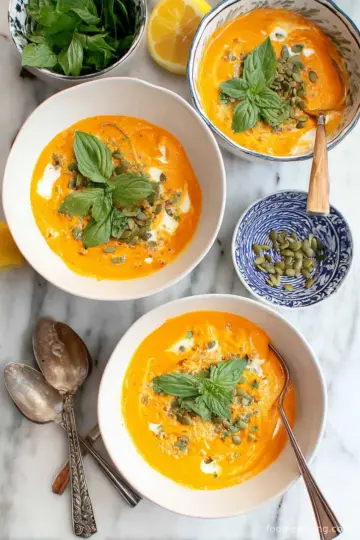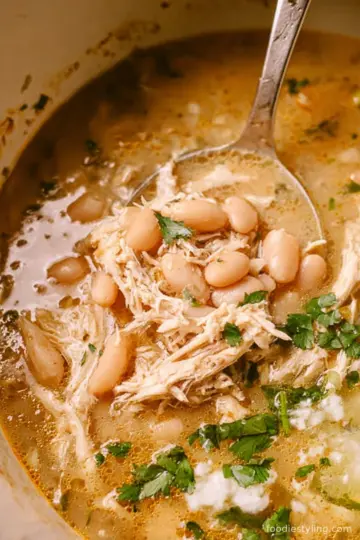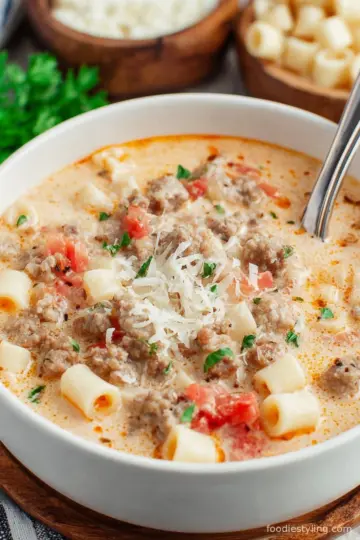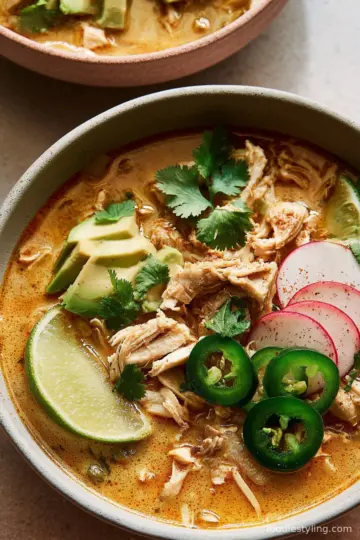
Split Pea Soup is a timeless comfort food that has graced the tables of countless families for centuries. This beloved dish is renowned for its warm, earthy flavors and nourishing properties, making it a staple during cooler seasons or whenever you crave a soul-soothing meal.
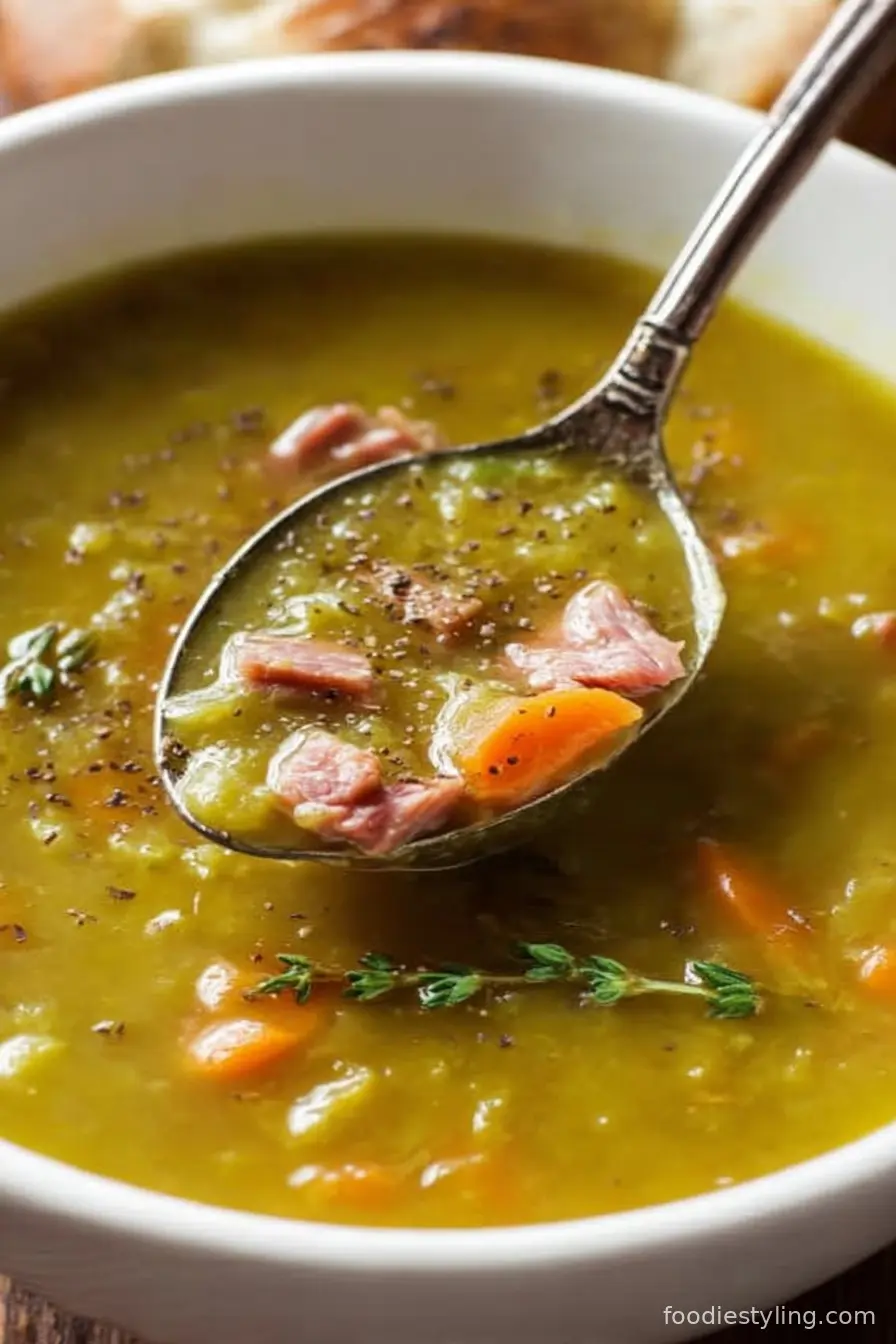
Split Pea Soup is rooted in European history, particularly in Dutch and British cuisine, where it has evolved over the ages from simple peasant fare into a culinary favorite enjoyed worldwide. The main ingredient, split peas, has been cultivated for thousands of years.
High in protein, fiber, and minerals, split peas provide a satisfying base for this hearty soup. While the ingredients and methods might vary from one region to another, the essence of Split Pea Soup remains the same: wholesome, filling, and brimming with robust flavor.
Whether served as a warming lunch, a comforting dinner, or a leftover enjoyed the next day, Split Pea Soup can be customized for vegetarians or made more savory with ham. This recipe delivers all the classic notes you expect—velvety peas simmered with aromatic vegetables and savory herbs.
By following our detailed, step-by-step guide, you can create a nourishing bowl of homemade Split Pea Soup that's both easy to prepare and guaranteed to please. Enjoy learning about its history, health benefits, and clever variations as you master one of the world's classic soups.
Ingredients
- 2 cups dried green split peas, rinsed
- 1 large yellow onion, diced
- 2 medium carrots, peeled and diced
- 2 celery stalks, diced
- 2 cloves garlic, minced
- 1 bay leaf
- 6 cups low-sodium vegetable broth (or chicken broth)
- 1 smoked ham hock or 1 cup diced ham (optional for non-vegetarians)
- 1 teaspoon dried thyme
- ½ teaspoon black pepper
- 1 teaspoon salt (or to taste)
- 2 tablespoons olive oil (if not using ham for sautéing)
- Chopped fresh parsley for garnish (optional)
Instructions
- First, rinse the dried green split peas under cold running water using a fine-mesh sieve or colander. Move the peas around to weed out any debris or small particles, ensuring the water runs completely clear before draining and setting the rinsed peas aside.
- In a large soup pot or Dutch oven set over medium heat, add olive oil if you're preparing a vegetarian version, or omit it if you're using ham for added flavor. Toss in the diced yellow onion, peeled and diced carrots, and diced celery. Sauté these aromatics for about five minutes, stirring occasionally. You'll notice the vegetables begin to soften and their aroma fills your kitchen, forming the flavorful base.
- If you're including diced ham, add it to the softened vegetables now. Let the ham pieces cook for a couple of minutes, just long enough for them to begin turning golden and release some of their savory, smoky tastes into the mixture. If you're using a whole smoked ham hock, hold off and add it with the broth in the next step.
- Add the minced garlic to the sautéed mixture, stirring it through thoroughly. Let it cook for about one minute, just until it becomes aromatic. This step draws out the natural sweetness and depth of the garlic, so be careful to avoid burning.
- Pour the rinsed split peas into the pot, followed by the low-sodium vegetable or chicken broth. Add the bay leaf, sprinkle in the dried thyme, black pepper, and salt. Stir everything together, ensuring the split peas are evenly spread and the herbs are well distributed. If using a smoked ham hock, carefully nestle it into the pot at this stage to infuse the soup with rich, smoky undertones.
- Turn the heat up to bring the soup mixture to a low boil. Once a consistent bubble appears, reduce the heat to low and cover the pot with a lid. Allow the soup to simmer gently for 1.5 to 2 hours, stirring occasionally to prevent split peas from sticking to the bottom. You'll know it's ready when the peas have fully softened and started to break down, and the soup has thickened to your preferred consistency.
- If you used a smoked ham hock, carefully lift it out once the soup is finished simmering. Place it on a cutting board and, once cool enough to handle, remove any edible meat from the bone. Shred or chop this meat into small, bite-sized portions, discarding any bone or excess fat. Return the chopped ham to the soup for added heartiness and flavor.
- Using a slotted spoon or tongs, remove and discard the bay leaf from the pot. It's time to taste the soup and adjust the seasoning. Add more salt or black pepper as desired, fine-tuning the flavors to match your taste preferences.
- For a smoother texture, use an immersion blender to partially or fully puree the soup directly in the pot. Blend to your liking, either leaving some chunks for texture or achieving a completely creamy finish. If you prefer a rustic feel, simply leave the soup as is for traditional, chunky appeal.
- Ladle the steaming hot Split Pea Soup into serving bowls. For a refreshing splash of color and fresh flavor, sprinkle chopped parsley on top of each bowl. Serve the soup immediately and relish every comforting spoonful!
Nutritional Information
Split Pea Soup is a nutritional powerhouse, making it an excellent option for a satisfying and healthy meal.
A typical serving, especially when prepared with vegetable broth and without ham, contains around 250-350 calories, with the bulk of those calories coming from complex carbohydrates and plant-based protein found in split peas.
Split peas are an outstanding source of dietary fiber—just one bowl offers nearly half the daily recommended amount—helping to support healthy digestion, manage blood sugar, and promote a feeling of fullness.
They’re also rich in plant protein, making this recipe a great choice for vegetarians and those looking to boost their protein intake without relying on animal products. The addition of carrots, celery, and onions injects important vitamins and minerals into the soup, including vitamin A, vitamin C, potassium, and folate.
The reduced-sodium broth keeps the salt content in check, while olive oil adds heart-healthy unsaturated fats. When prepared with ham, the soup garners additional protein, flavor, and some fat, but this can moderately increase the calorie and sodium content.
Regardless of variation, Split Pea Soup provides essential nutrients, making it a heart-healthy, balanced meal that aligns with a range of diets and wellness goals.
Wine and Beverage Pairings
Split Pea Soup pairs excellently with a variety of beverages that complement its hearty, savory flavors. For wine lovers, a crisp, unoaked white wine such as Sauvignon Blanc cuts through the soup’s richness, while light reds like Pinot Noir or Gamay offer earthy undertones that mirror the soup’s rustic character.
Beer enthusiasts may enjoy a pint of light-bodied lager or a malty pale ale that matches the soup’s comforting vibe. Non-alcoholic options like sparkling apple cider, a tart lemonade, or even a robust black tea make great choices to balance the soup’s creaminess.
Ultimately, opt for drinks with some acidity or freshness to lift and enhance the deep, comforting notes of Split Pea Soup.
Cooking Tips and Variations
When preparing Split Pea Soup, a few small tweaks and creative touches can enhance your soup and allow for appealing variations. For the best consistency, always be sure to thoroughly rinse the split peas and give the pot an occasional stir during simmering to prevent peas from sticking or burning.
If you prefer a creamier soup, use an immersion blender to partially blend the mixture, or remove a portion to a blender, puree, and stir it back in. For a chunkier, more rustic style, avoid blending altogether—just simmer until the peas have broken down.
If you don't have a smoked ham hock, diced ham or even smoked turkey can be substituted to maintain a savory, smoky backdrop, or simply omit for a truly vegetarian version.
To boost nutrition or color, add leafy greens during the last 10 minutes of simmering, or toss in a diced potato for a thicker texture. For a touch of brightness, finish each bowl with a squeeze of fresh lemon juice before serving.
Always taste and adjust seasonings near the end, as the natural saltiness of ham or broth can vary. Finally, this soup often tastes even better the next day as flavors meld together—store leftovers covered in the fridge and reheat for a quick, nourishing meal.

Serving Suggestions
Serving Split Pea Soup is as much about tradition as taste. Present it steaming hot in deep bowls, garnished with a sprinkle of freshly chopped parsley for color and a hint of freshness.
For classic comfort, accompany each bowl with a thick slice of crusty artisan bread or a warm, toasted baguette—perfect for dipping and absorbing every last drop. Add a pat of butter on the side, or offer crackers for crunch.
If you're enjoying the soup as a main course, pair it with a crisp green salad dressed lightly or a simple platter of sliced sharp cheese and pickles for contrast. For a substantial winter meal, combine the soup with roasted root vegetables or oven-baked potatoes.
This soup is excellent for meal prep—portioned into individual containers, it can be enjoyed for lunch throughout the week or served as a dinner starter.
Split Pea Soup also lends itself beautifully to gatherings: offer it as part of a soup buffet for family or guests, with various breads and toppings like extra ham bits, shredded cheese, or toasted nuts for a customizable experience.
However you serve it, this soup delivers warmth and nourishment in every spoonful.
Health Benefits
Split Pea Soup is celebrated not just for its flavor but also its health benefits. Split peas are a standout legume, packing impressive amounts of dietary fiber that support digestive wellness and heart health.
With low fat content and a range of plant-based nutrients, split peas also help with maintaining balanced cholesterol and blood sugar levels. The vegetables—onion, carrot, and celery—not only add flavor but also deliver important antioxidants and phytonutrients.
If prepared with olive oil and vegetable broth, this soup remains vegetarian and vegan-friendly, supplying protein without saturated fat or cholesterol. Even with the optional addition of ham, the soup provides a valuable source of iron, zinc, and B vitamins, important for energy and overall well-being.
With its mix of complex carbohydrates, protein, and minimal processed ingredients, Split Pea Soup is a smart, filling meal that aligns well with a heart-healthy, high-fiber eating pattern. It’s also ideal for meal prep, supporting busy lifestyles while nourishing the body.
Frequently Asked Questions
Absolutely! Simply use vegetable broth and omit the ham or ham hock, using olive oil for sautéing, to create a completely vegan Split Pea Soup that is just as hearty and flavorful.
Store the cooled soup in airtight containers in the refrigerator for up to four days. When ready to reheat, gently warm over low heat on the stove, adding a splash of water or broth if needed, as the soup can thicken further during refrigeration.
Older split peas or those stored improperly may require a longer cooking time to soften. Always check the packaging date when buying split peas, and store them in a cool, dry place for best results.
Yes! Split Pea Soup freezes beautifully. Cool the soup completely, portion into freezer-safe containers, and freeze for up to three months. Thaw overnight in the refrigerator and reheat gently before serving.
Great toppings include chopped fresh parsley, a drizzle of olive oil, croutons, crispy bacon bits, or shredded cheese. Each adds freshness, texture, or extra richness to your bowl.
Split Pea Soup stands as a shining example of comforting, wholesome cooking—a dish that brings together nutrition, history, and heartiness in every sip. Simple to customize and even easier to love, this soup delivers satisfying flavors and nourishing ingredients perfect for family dinners or personal comfort food breaks. By following this classic preparation, you’ll master a time-honored recipe that’s versatile, affordable, and rich in both tradition and taste. Whether indulging in its warm, velvety texture straight from the pot or reheating leftovers for a quick weekday meal, you’re sure to enjoy the deep, homestyle appeal of Split Pea Soup for years to come.
Ingredients
- 2 cups dried green split peas, rinsed
- 1 large yellow onion, diced
- 2 medium carrots, peeled and diced
- 2 celery stalks, diced
- 2 cloves garlic, minced
- 1 bay leaf
- 6 cups low-sodium vegetable broth (or chicken broth)
- 1 smoked ham hock or 1 cup diced ham (optional for non-vegetarians)
- 1 teaspoon dried thyme
- ½ teaspoon black pepper
- 1 teaspoon salt (or to taste)
- 2 tablespoons olive oil (if not using ham for sautéing)
- Chopped fresh parsley for garnish (optional)
Instructions
-
1First, rinse the dried green split peas under cold running water using a fine-mesh sieve or colander. Move the peas around to weed out any debris or small particles, ensuring the water runs completely clear before draining and setting the rinsed peas aside.
-
2In a large soup pot or Dutch oven set over medium heat, add olive oil if you're preparing a vegetarian version, or omit it if you're using ham for added flavor. Toss in the diced yellow onion, peeled and diced carrots, and diced celery. Sauté these aromatics for about five minutes, stirring occasionally. You'll notice the vegetables begin to soften and their aroma fills your kitchen, forming the flavorful base.
-
3If you're including diced ham, add it to the softened vegetables now. Let the ham pieces cook for a couple of minutes, just long enough for them to begin turning golden and release some of their savory, smoky tastes into the mixture. If you're using a whole smoked ham hock, hold off and add it with the broth in the next step.
-
4Add the minced garlic to the sautéed mixture, stirring it through thoroughly. Let it cook for about one minute, just until it becomes aromatic. This step draws out the natural sweetness and depth of the garlic, so be careful to avoid burning.
-
5Pour the rinsed split peas into the pot, followed by the low-sodium vegetable or chicken broth. Add the bay leaf, sprinkle in the dried thyme, black pepper, and salt. Stir everything together, ensuring the split peas are evenly spread and the herbs are well distributed. If using a smoked ham hock, carefully nestle it into the pot at this stage to infuse the soup with rich, smoky undertones.
-
6Turn the heat up to bring the soup mixture to a low boil. Once a consistent bubble appears, reduce the heat to low and cover the pot with a lid. Allow the soup to simmer gently for 1.5 to 2 hours, stirring occasionally to prevent split peas from sticking to the bottom. You'll know it's ready when the peas have fully softened and started to break down, and the soup has thickened to your preferred consistency.
-
7If you used a smoked ham hock, carefully lift it out once the soup is finished simmering. Place it on a cutting board and, once cool enough to handle, remove any edible meat from the bone. Shred or chop this meat into small, bite-sized portions, discarding any bone or excess fat. Return the chopped ham to the soup for added heartiness and flavor.
-
8Using a slotted spoon or tongs, remove and discard the bay leaf from the pot. It's time to taste the soup and adjust the seasoning. Add more salt or black pepper as desired, fine-tuning the flavors to match your taste preferences.
-
9For a smoother texture, use an immersion blender to partially or fully puree the soup directly in the pot. Blend to your liking, either leaving some chunks for texture or achieving a completely creamy finish. If you prefer a rustic feel, simply leave the soup as is for traditional, chunky appeal.
-
10Ladle the steaming hot Split Pea Soup into serving bowls. For a refreshing splash of color and fresh flavor, sprinkle chopped parsley on top of each bowl. Serve the soup immediately and relish every comforting spoonful!
Approximate Information for One Serving
Nutrition Disclaimers
Number of total servings shown is approximate. Actual number of servings will depend on your preferred portion sizes.
Nutritional values shown are general guidelines and reflect information for 1 serving using the ingredients listed, not including any optional ingredients. Actual macros may vary slightly depending on specific brands and types of ingredients used.
To determine the weight of one serving, prepare the recipe as instructed. Weigh the finished recipe, then divide the weight of the finished recipe (not including the weight of the container the food is in) by the desired number of servings. Result will be the weight of one serving.
Did you make this recipe?
Please consider Pinning it!