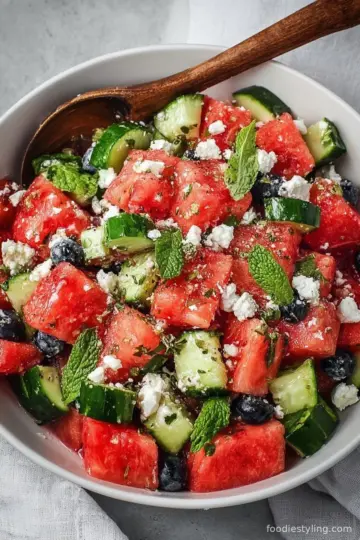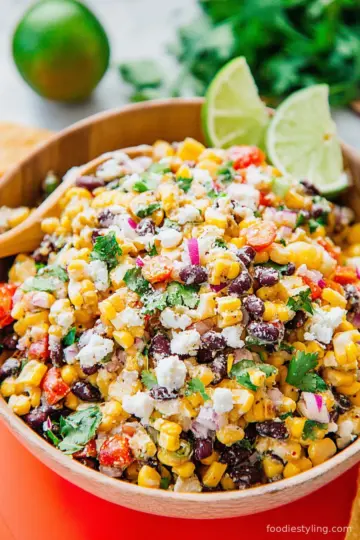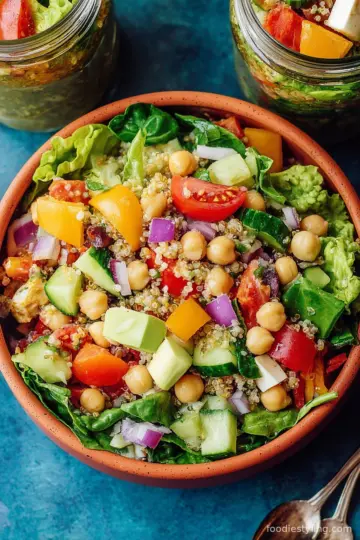
Kale Salad has risen to fame over the past decade as a must-have dish for those seeking vibrant health and exceptional flavor in their meals. This leafy green, once reserved for garnish, has surged in popularity due to its impressive nutrient profile and versatility.
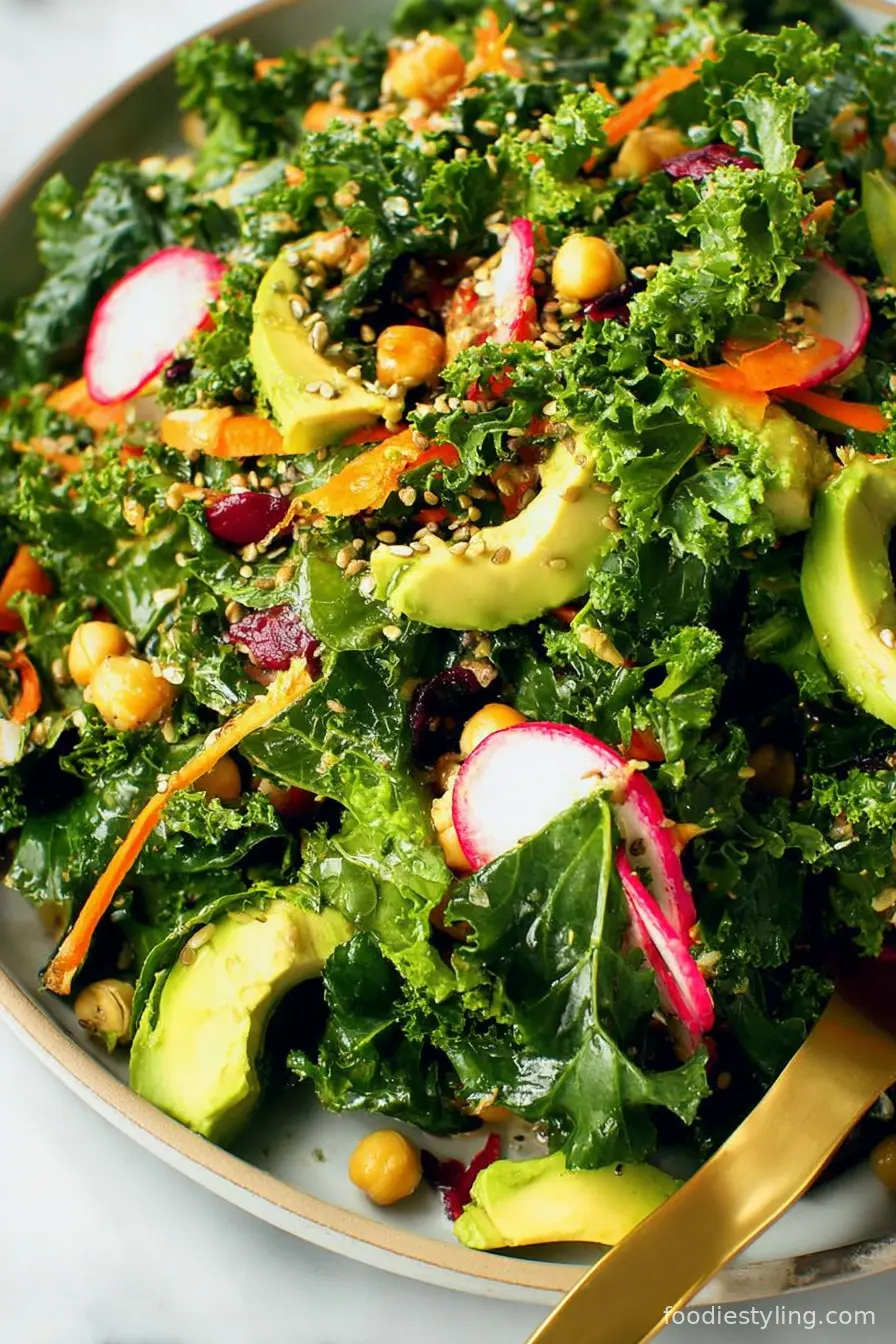
The origins of kale can be traced back thousands of years, as it was a mainstay in the diets of ancient Romans and Greeks. Today, 'Kale Salad' is a global phenomenon, featured on menus from casual lunch spots to gourmet restaurants alike.
The rich, slightly earthy taste of kale is the perfect canvas for an exciting array of toppings and dressings, making each Kale Salad unique.
As a raw dish, kale offers a hearty and satisfying crunch, but when massaged with a simple olive oil and lemon juice dressing, it transforms into a silky and more palatable base ready to be loaded with nuts, seeds, cheeses, and fruits.
Whether you are searching for a side dish or a filling main, this salad packs in flavor, color, and nutrition. The popularity of Kale Salad is partly owed to its adaptability; it seamlessly fits vegetarian, vegan, low-carb, and gluten-free diets.
In this detailed recipe, we will uncover essential ingredients, preparation methods, tips for maximizing flavor, and the best ways to serve it, ensuring you master the art of this modern classic.
Ingredients
- 1 large bunch of kale (any variety such as curly or Lacinato), washed and stems removed
- 2 tablespoons extra virgin olive oil
- 1 tablespoon fresh lemon juice
- 1 teaspoon Dijon mustard
- 1 teaspoon honey or maple syrup (optional for vegan)
- ¼ teaspoon sea salt
- ¼ teaspoon freshly ground black pepper
- 1 small garlic clove, minced
- ¼ cup freshly grated Parmesan cheese (omit or use vegan cheese for dairy-free/vegan)
- ⅓ cup toasted almonds or walnuts, roughly chopped
- ½ cup cherry tomatoes, halved
- ¼ red onion, thinly sliced
- 1 medium avocado, diced
- ⅓ cup dried cranberries or raisins
- Freshly cracked black pepper to taste
Instructions
- Remove the tough stems from the kale and chop or tear the leaves into bite-size pieces.
- Place the chopped kale into a large salad bowl. Drizzle 1 tablespoon of olive oil and sprinkle with sea salt.
- Massage the kale leaves with your hands for 2-3 minutes until they soften and darken in color.
- In a small bowl, whisk together the remaining olive oil, lemon juice, Dijon mustard, honey or maple syrup, minced garlic, and black pepper to create a flavorful dressing.
- Pour the dressing over the massaged kale and toss thoroughly to coat all the leaves.
- Add the Parmesan cheese, toasted nuts, cherry tomatoes, sliced red onion, diced avocado, and dried cranberries to the bowl.
- Gently toss the salad again to evenly distribute the toppings.
- Season with additional black pepper and a squeeze of lemon juice if desired. Serve immediately or let stand for a few minutes to allow the flavors to meld.
- For meal prep, portion the salad into airtight containers and store in the refrigerator for up to 2 days.
Nutritional Information
Kale Salad is a nutritional powerhouse offering a variety of essential vitamins, minerals, fiber, and healthy fats in every bite. A single serving (approximately one-fourth of this recipe) contains around 220 calories, making it a light yet filling option for lunch or dinner.
The high kale content delivers an exceptional dose of vitamin K, critical for bone health and blood clotting; just one serving can fulfill over 200% of your daily needs.
Additionally, Kale Salad supplies ample vitamin A for optimal vision and immune function, as well as vitamin C to boost collagen production and cellular repair.
The salad is rich in antioxidants, thanks to both the kale and colorful additions such as tomatoes and cranberries, helping fight inflammation and protect against oxidative stress. The addition of healthy fats from olive oil, avocado, and nuts ensures better absorption of fat-soluble vitamins and contributes to heart health.
Dietary fiber, provided by the kale, nuts, and other plant ingredients, supports digestive regularity and satiety, potentially aiding weight management. Protein content is moderate, but can be increased by adding grilled chicken, tofu, or chickpeas for a more substantial meal.
The recipe is naturally low in carbohydrates and sodium, making it suitable for most dietary preferences, including gluten-free, vegetarian, and vegan diets (with substitutions). It is important to keep portion size in mind if monitoring calorie or fat intake, as added nuts and cheese can increase these values.
Regardless, Kale Salad stands out as an exceptionally healthful, nutrient-dense addition to any diet.
Wine and Beverage Pairings
The hearty flavors and subtle bitterness of Kale Salad pair beautifully with a variety of beverages. For wine enthusiasts, a crisp Sauvignon Blanc or lightly oaked Chardonnay will complement the salad's freshness without overwhelming it. These wines offer citrus and herbaceous notes that elevate the earthy profile of kale.
For red wine lovers, a light-bodied Pinot Noir works well, especially if you have added strong cheeses or roasted nuts. Prefer non-alcoholic options? A sparkling water with lemon, a homemade kombucha, or a lightly sweetened herbal iced tea provides a refreshing balance to the salad.
For something comforting in colder months, try a warm ginger or green tea which brings out the greens' vitality. The natural flavors in the salad allow it to adapt to many beverage pairings—don’t be afraid to experiment to find your favorite match.
Cooking Tips and Variations
For the best Kale Salad experience, follow these expert tips and suggested variations. First, always massage your kale with a pinch of salt and a little olive oil before adding any dressing. This simple step not only enhances flavor and tenderizes the leaves, but also makes the salad more digestible.
When choosing kale, opt for fresh, crisp leaves with a vibrant green color; both curly and Lacinato (dinosaur) varieties work well. If you prefer a milder flavor, select baby kale, which is naturally more tender. Customize your salad with seasonal ingredients.
Try adding pomegranate arils in winter, fresh berries in summer, or roasted vegetables in autumn. For protein boosts, grilled chicken, salmon, hard-boiled eggs, tofu, or chickpeas make excellent additions, turning your dish from a side to a main course.
For crunch, consider different nuts or seeds such as pumpkin or sunflower seeds; toast them beforehand for deeper flavor. Cheese options aren't limited to Parmesan—try feta, goat cheese, or a strong cheddar for a new twist.
Dressings can be swapped: tahini, balsamic vinaigrette, or yogurt-based dressings all complement the earthy flavor of kale. For an umami punch, add a touch of nutritional yeast or a handful of olives. If preparing ahead, keep wetter ingredients like avocado aside until serving.
Kale's hearty nature means it holds up well for meal prep, making it an ideal salad for busy weeks.

Serving Suggestions
Serving Kale Salad can be elevated with a bit of attention to presentation and variety. If acting as a stand-alone meal, consider plating it in wide, shallow bowls to showcase the vibrant ingredients and prevent overcrowding.
For a dine-in experience, add a slice of crusty whole-grain bread, garlic toast, or a warm grain such as quinoa or farro on the side. These additions offer contrast in both texture and nutrition, creating a more complete meal.
Kale Salad is incredibly versatile and can be served as a starter at dinner parties, a substantial companion to grilled meats, or as a wholesome potluck contribution.
For buffet-style settings, serve the salad in a large, clear bowl to display the vivid greens, reds, and yellows, enticing guests visually before they even taste the first bite. To keep the salad crisp, only add ingredients like avocado, cheese, and dressing immediately before serving.
The robust structure of kale allows it to retain its texture and appeal for far longer than tender greens, making it ideal for picnics or make-ahead gatherings. Garnish with extra chopped herbs, edible flowers, or a sprinkle of seeds to add a touch of sophistication and color.
For families, set up a salad bar with bowls of additional toppings, allowing each person to customize their serving. No matter the occasion, this Kale Salad delivers both nutritional value and culinary impact.
Health Benefits
Kale Salad is renowned not just for its taste and versatility, but for the multitude of health benefits it brings to the table. Kale itself is an exceptional source of vitamins A, C, and K, all vital for immune support, skin health, and proper blood function.
The antioxidants present in kale, tomatoes, and nuts help combat free radicals, reducing chronic disease risk and contributing to healthy aging. High in dietary fiber, this salad supports digestive health, stabilizes blood sugar, and can even lower cholesterol levels.
Kale is low in calories yet rich in vital minerals like calcium, magnesium, and potassium, which support nerve, muscle, and heart function. Consuming leafy greens like kale is associated with stronger bones, better eyesight, and reduced inflammation.
The healthy fats from olive oil, avocados, and nuts not only add richness but also promote heart health by providing omega-3 and omega-6 fatty acids. Including a variety of fresh, minimally processed ingredients ensures you're getting a range of phytochemicals linked to disease prevention.
The inclusion of different toppings means the salad can be tailored to accommodate vegan, gluten-free, dairy-free, and nut-free diets, further expanding its health appeal. Overall, regular inclusion of Kale Salad in your diet lays the foundation for long-term wellness and vitality.
Frequently Asked Questions
The key to tender, flavorful Kale Salad is massaging the kale leaves with salt and a bit of olive oil before adding dressing. This breaks down the fibers, reduces bitterness, and enhances the texture.
Yes, Kale Salad is ideal for meal prep as kale retains its structure better than other greens. Add sensitive toppings like avocado or cheese just before serving for freshest results.
Grilled chicken, salmon, boiled eggs, tofu, or chickpeas are all excellent choices that boost protein and transform the salad into a more filling meal.
Absolutely. Use maple syrup in place of honey, omit cheese or use a vegan version, and avoid gluten-containing toppings. The salad is naturally gluten-free and easily made vegan.
Leftover Kale Salad can be stored in an airtight container in the refrigerator for up to 2 days. Omit avocado and other easily perishable toppings until ready to serve.
Kale Salad stands as a testament to how a simple blend of fresh, wholesome ingredients can yield an irresistibly flavorful and nourishing dish. This recipe unlocks the full potential of kale, transforming it into a salad that is both satisfying and adaptable to any personal taste or dietary preference. With its abundant health benefits, ease of preparation, and endless customization possibilities, Kale Salad is sure to be a staple in any kitchen. Whether enjoyed as a light lunch, hearty dinner, or a colorful side at gatherings, it never fails to impress with its vibrancy and depth of flavor. Embrace the versatility and nutrition of this modern classic, and let your creativity shine with each preparation. Now that you have the ultimate guide to Kale Salad, it's time to gather your ingredients and create a dish that's as good for the body as it is delicious.
Ingredients
- 1 large bunch of kale (any variety such as curly or Lacinato), washed and stems removed
- 2 tablespoons extra virgin olive oil
- 1 tablespoon fresh lemon juice
- 1 teaspoon Dijon mustard
- 1 teaspoon honey or maple syrup (optional for vegan)
- ¼ teaspoon sea salt
- ¼ teaspoon freshly ground black pepper
- 1 small garlic clove, minced
- ¼ cup freshly grated Parmesan cheese (omit or use vegan cheese for dairy-free/vegan)
- ⅓ cup toasted almonds or walnuts, roughly chopped
- ½ cup cherry tomatoes, halved
- ¼ red onion, thinly sliced
- 1 medium avocado, diced
- ⅓ cup dried cranberries or raisins
- Freshly cracked black pepper to taste
Instructions
-
1Remove the tough stems from the kale and chop or tear the leaves into bite-size pieces.
-
2Place the chopped kale into a large salad bowl. Drizzle 1 tablespoon of olive oil and sprinkle with sea salt.
-
3Massage the kale leaves with your hands for 2-3 minutes until they soften and darken in color.
-
4In a small bowl, whisk together the remaining olive oil, lemon juice, Dijon mustard, honey or maple syrup, minced garlic, and black pepper to create a flavorful dressing.
-
5Pour the dressing over the massaged kale and toss thoroughly to coat all the leaves.
-
6Add the Parmesan cheese, toasted nuts, cherry tomatoes, sliced red onion, diced avocado, and dried cranberries to the bowl.
-
7Gently toss the salad again to evenly distribute the toppings.
-
8Season with additional black pepper and a squeeze of lemon juice if desired. Serve immediately or let stand for a few minutes to allow the flavors to meld.
-
9For meal prep, portion the salad into airtight containers and store in the refrigerator for up to 2 days.
Approximate Information for One Serving
Nutrition Disclaimers
Number of total servings shown is approximate. Actual number of servings will depend on your preferred portion sizes.
Nutritional values shown are general guidelines and reflect information for 1 serving using the ingredients listed, not including any optional ingredients. Actual macros may vary slightly depending on specific brands and types of ingredients used.
To determine the weight of one serving, prepare the recipe as instructed. Weigh the finished recipe, then divide the weight of the finished recipe (not including the weight of the container the food is in) by the desired number of servings. Result will be the weight of one serving.
Did you make this recipe?
Please consider Pinning it!