Peanut Noodles have gained global popularity for their creamy, tangy, and deeply savory profile. With roots in Asian cuisine—more specifically, inspired by Chinese, Thai, and Indonesian peanut sauce dishes—this recipe brings together the rich flavors of roasted peanuts, fragrant garlic, ginger, and the satisfying texture of noodles.
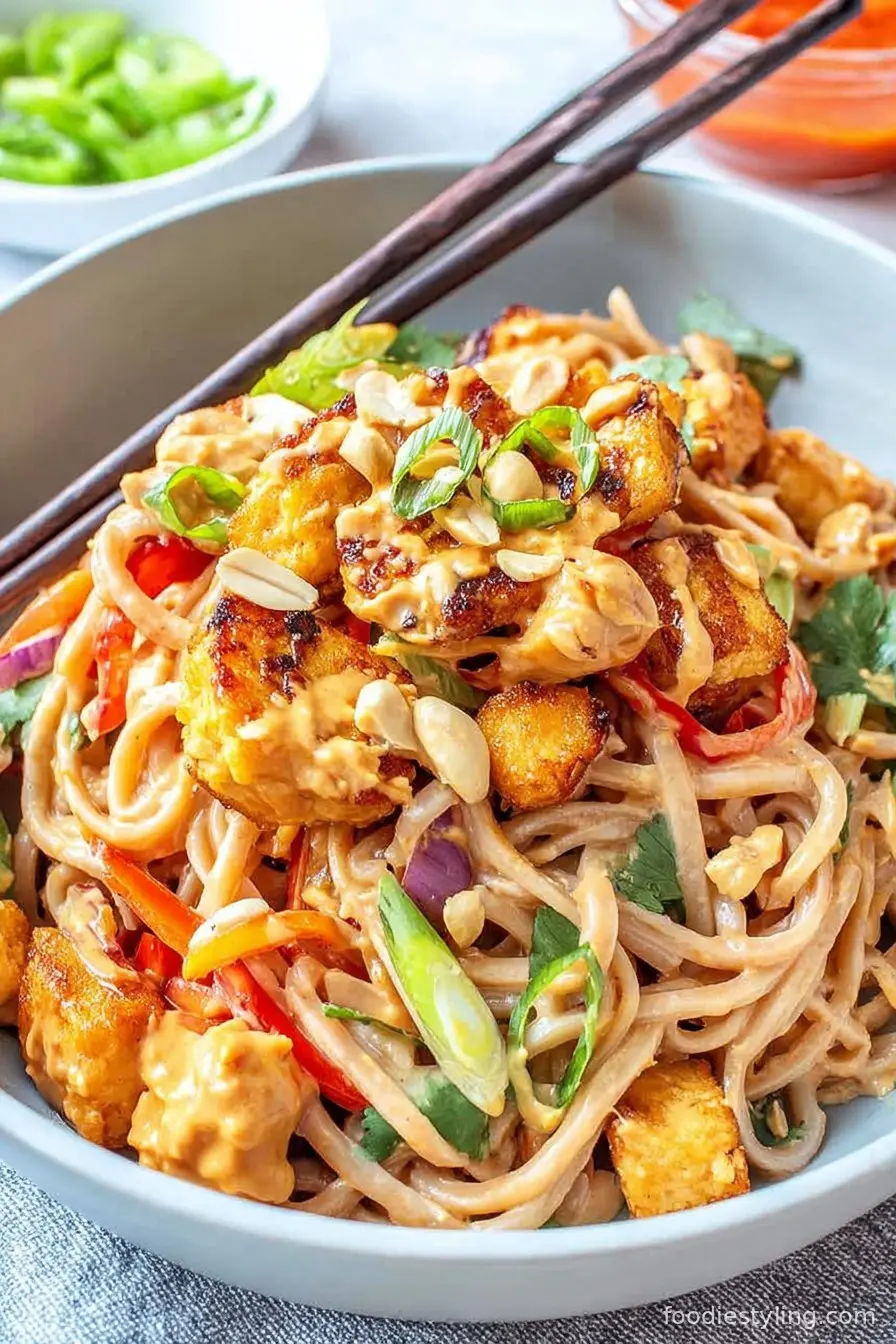
The resurgence in plant-based and vegetarian dishes has also put peanut noodles in the limelight as a quick, nutritious, and versatile choice for busy weeknights or entertaining guests.
Traditionally, the peanut sauce is associated with satay and various Asian street foods, but in modern kitchens, it has been adapted to coat long strands of noodles, making an irresistible and comforting meal. The balance of nutty, spicy, sweet, and salty makes peanut noodles especially crave-worthy.
Whether served hot or cold, this recipe appeals to a broad crowd, catering to both vegetarians and meat lovers alike. Nutty, creamy, and packed with fresh vegetables or proteins of your choice, peanut noodles offer endless possibilities and a journey into the heart of Asian-inspired flavours.
By embracing easily accessible ingredients and simple preparation methods, this peanut noodles recipe brings worldwide flavours right to your kitchen table. Perfect for meal prep, lunchboxes, or a flavorsome dinner, these noodles showcase both tradition and modern culinary trends.
Ingredients
- 12 ounces dried noodles (such as linguine, spaghetti, soba, or rice noodles)
- For the peanut sauce:
- ½ cup creamy peanut butter
- 3 tablespoons soy sauce (low sodium preferred)
- 2 tablespoons rice vinegar
- 2 tablespoons hoisin sauce
- 1 tablespoon honey or maple syrup
- 1 tablespoon toasted sesame oil
- 1-2 teaspoons chili garlic sauce or Sriracha (adjust to taste)
- 2-3 tablespoons hot water (to thin sauce as needed)
- 2 garlic cloves, finely minced
- 1 teaspoon freshly grated ginger
- For the noodles:
- 1 red bell pepper, thinly sliced
- 1 medium carrot, julienned or shredded
- 1 cup cucumber, julienned or thinly sliced
- 3-4 scallions, sliced
- ½ cup fresh cilantro leaves, chopped
- ¼ cup roasted peanuts, roughly chopped (for garnish)
- 1 tablespoon toasted sesame seeds (for garnish)
- Lime wedges, for serving (optional)
Instructions
- Cook the noodles according to package instructions until al dente. Drain and rinse the noodles under cold water to stop the cooking process and prevent sticking. Set aside.
- In a medium bowl, whisk together peanut butter, soy sauce, rice vinegar, hoisin sauce, honey or maple syrup, sesame oil, chili garlic sauce or Sriracha, garlic, and ginger until smooth and creamy. Add hot water gradually to achieve your desired sauce consistency.
- Prepare the vegetables by slicing the bell pepper, julienning the carrot and cucumber, and finely slicing the scallions and cilantro.
- In a large bowl, toss the cooked noodles with the prepared peanut sauce until the noodles are well coated.
- Add in the vegetables (bell pepper, carrot, cucumber, scallions, most of the cilantro) and toss again until evenly distributed.
- Transfer the peanut noodles to a serving platter or individual bowls. Sprinkle with chopped peanuts, sesame seeds, and extra cilantro if desired.
- Serve immediately at room temperature or chilled, with lime wedges on the side for a hit of acidity.
Nutritional Information
Peanut noodles offer a nutritious, balanced meal packed with plant-based protein, healthy fats, and fiber. A single serving of this recipe, assuming it serves four, provides approximately 450-500 calories, making it a satiating lunch or dinner option.
The peanut butter and roasted peanuts deliver a good amount of plant protein (about 12-15 grams per serving), monounsaturated fats, vitamin E, magnesium, and antioxidants.
The addition of colorful vegetables like carrots, bell peppers, and cucumbers contributes valuable vitamins (vitamin C, vitamin A, and K), minerals, and dietary fiber, supporting digestive health and promoting fullness. The noodles themselves are a robust source of complex carbohydrates needed for sustained energy.
Using whole grain or buckwheat noodles can boost the fiber and micronutrient content further. With heart-healthy sesame oil and little added sugar, peanut noodles can fit well into a balanced diet.
However, the sodium content may be high due to the soy sauce and hoisin; using low-sodium versions and tasting as you go can help moderate this. For those with specific dietary needs, gluten-free noodles and tamari ensure this dish suits gluten-intolerant individuals.
Peanut noodles are also vegetarian and can be vegan with maple syrup instead of honey. Always check ingredient labels for allergens and adjust according to your dietary requirements.

Wine and Beverage Pairings
Peanut noodles pair well with crisp beverages that can either complement the nuttiness or cut through the richness. For a non-alcoholic option, iced green tea with a splash of lemon is a refreshing, antioxidant-rich choice. Thai iced tea or a cucumber-mint cooler also harmonizes with the flavors.
When it comes to wine, consider a lightly chilled Riesling or a Gewürztraminer; their slight sweetness and bright acidity stand up to the dish’s savory-sweet sauce and any spice in the noodles.
For those who prefer beer, a cold lager or wheat beer is a safe bet, offering a clean, palate-cleansing finish after each creamy bite.
Cooking Tips and Variations
To achieve the perfect peanut noodles, start with preparing all your ingredients ahead of time—mise en place makes assembly seamless. For a silkier sauce, ensure your peanut butter is at room temperature and whisk everything thoroughly until completely smooth; use a food processor for an extra-creamy texture.
If you like extra heat, increase the amount of chili garlic sauce, or sprinkle in some crushed red pepper flakes. For a lighter dish, try substituting part of the peanut butter with powdered peanut butter, or use zoodles (zucchini noodles) or spiralized veggies instead of grains.
Peanut noodles are extremely versatile: toss in cooked, shredded chicken, tofu, shrimp, or edamame for added protein. Feel free to swap in or add vegetables like snap peas, shredded cabbage, or bean sprouts for crunch and flavor.
If you wish to make the dish gluten-free, opt for rice noodles or soba made from 100% buckwheat, and use tamari instead of soy sauce. Peanut noodles can be made a day ahead and refrigerated, making them a popular meal-prep solution.
When serving chilled, loosen the noodles with a splash of warm water or extra sesame oil as needed. For an extra boost of savory umami, add a teaspoon of miso paste or a squeeze of fresh lime juice to your peanut sauce.
Play with toppings—fresh herbs, extra peanuts, or a drizzle of chili oil—to suit your taste.

Serving Suggestions
Peanut noodles are highly adaptable and make a delightful centerpiece for many occasions. For a casual meal, serve them straight from the mixing bowl, offering garnishes like extra peanuts, herbs, or lime wedges on the side so everyone can customize their bowl.
If you are creating a meal for guests, consider presenting the peanut noodles on a large platter, topped with vibrant veggies and a sprinkling of sesame seeds, creating an inviting and colorful dish.
For bento-style or picnic lunches, these noodles taste just as great cold or at room temperature, making them ideal for meal prepping and packed lunches. To turn the meal into a heartier main course, top your peanut noodles with pan-seared tofu, grilled shrimp, satay chicken, or tempeh for extra protein.
For a summery refreshing twist, add more fresh cucumbers and herbs, or serve with a side salad of crisp Asian greens. For special occasions, pair your peanut noodles with steamed dumplings, egg rolls, or a clear, simple soup to create an Asian-inspired feast.
Portion the noodles into individual bowls for easy serving and an attractive presentation, especially when entertaining. Don’t forget to set out extra sauce, lime wedges, and chili condiments for guests to tweak as they wish.
Health Benefits
Peanut noodles can be part of a wholesome diet thanks to their balance of carbs, protein, and healthy fats. Peanuts are high in unsaturated fats that are beneficial for heart health and cholesterol management.
The plant protein found in both the peanuts and whole grains contributes to muscle maintenance and satiety, which can aid in weight management. The colorful vegetables not only deliver antioxidants but also support immunity and vision health due to their high vitamin content.
Using whole grain noodles increases fiber, further supporting digestive health and blood sugar regulation. The generous use of herbs like cilantro adds vitamins and natural antibacterial properties.
By using reduced-sodium soy sauce and opting for natural peanut butter with no added sugar or oils, you can make this dish even healthier. For those following vegetarian or vegan diets, peanut noodles provide essential nutrients that are often harder to obtain from plant foods.
Including tofu or tempeh increases the dish’s protein and iron content. Peanut noodles are a wonderful example of how traditional flavors can support modern health needs while remaining delicious.
Frequently Asked Questions
Yes, peanut noodles are excellent for meal prep. You can prepare both the noodles and sauce ahead of time. Toss together shortly before serving and, if needed, loosen the noodles with a little warm water or sesame oil if they’ve absorbed too much sauce in the fridge.
Peanut noodles can be made vegan by using maple syrup instead of honey and ensuring your noodles and sauces contain no animal products. For a gluten-free version, use rice noodles or 100% buckwheat soba noodles and tamari in place of soy sauce. Always check ingredient labels.
The recipe is very adaptable. You can use shredded cabbage, snap peas, bean sprouts, thinly sliced radishes, or even steamed broccoli. Raw or lightly blanched vegetables add freshness and crunch.
Absolutely. Crunchy peanut butter will add extra texture to the sauce. Just make sure to whisk thoroughly for even distribution. You can also add chopped peanuts on top for more crunch.
The spice level is entirely customizable. The recipe calls for chili garlic sauce or Sriracha, but you can reduce or omit it for a mild dish or add more for a spicy kick.
Peanut noodles are truly a celebration of Asian-inspired flavors, combining the rich, nutty depth of creamy peanut sauce with crisp, fresh vegetables and satisfying noodles. Whether you enjoy them as a quick weeknight dinner, a flavorful lunch, or an impressive potluck offering, peanut noodles are versatile, delicious, and easy to customize to your tastes or dietary needs. Their simple, accessible preparation makes them a wonderful addition to your regular meal rotation, and their balanced nutritional profile ensures that you are serving up a wholesome, satisfying dish every time. Try this peanut noodles recipe and enjoy the harmonious blend of savory, sweet, tangy, and spicy flavors with every bite—it's sure to become a family favorite.
Ingredients
- 12 ounces dried noodles (such as linguine, spaghetti, soba, or rice noodles)
- For the peanut sauce:
- ½ cup creamy peanut butter
- 3 tablespoons soy sauce (low sodium preferred)
- 2 tablespoons rice vinegar
- 2 tablespoons hoisin sauce
- 1 tablespoon honey or maple syrup
- 1 tablespoon toasted sesame oil
- 1-2 teaspoons chili garlic sauce or Sriracha (adjust to taste)
- 2-3 tablespoons hot water (to thin sauce as needed)
- 2 garlic cloves, finely minced
- 1 teaspoon freshly grated ginger
- For the noodles:
- 1 red bell pepper, thinly sliced
- 1 medium carrot, julienned or shredded
- 1 cup cucumber, julienned or thinly sliced
- 3-4 scallions, sliced
- ½ cup fresh cilantro leaves, chopped
- ¼ cup roasted peanuts, roughly chopped (for garnish)
- 1 tablespoon toasted sesame seeds (for garnish)
- Lime wedges, for serving (optional)
Instructions
-
1Cook the noodles according to package instructions until al dente. Drain and rinse the noodles under cold water to stop the cooking process and prevent sticking. Set aside.
-
2In a medium bowl, whisk together peanut butter, soy sauce, rice vinegar, hoisin sauce, honey or maple syrup, sesame oil, chili garlic sauce or Sriracha, garlic, and ginger until smooth and creamy. Add hot water gradually to achieve your desired sauce consistency.
-
3Prepare the vegetables by slicing the bell pepper, julienning the carrot and cucumber, and finely slicing the scallions and cilantro.
-
4In a large bowl, toss the cooked noodles with the prepared peanut sauce until the noodles are well coated.
-
5Add in the vegetables (bell pepper, carrot, cucumber, scallions, most of the cilantro) and toss again until evenly distributed.
-
6Transfer the peanut noodles to a serving platter or individual bowls. Sprinkle with chopped peanuts, sesame seeds, and extra cilantro if desired.
-
7Serve immediately at room temperature or chilled, with lime wedges on the side for a hit of acidity.
Approximate Information for One Serving
Nutrition Disclaimers
Number of total servings shown is approximate. Actual number of servings will depend on your preferred portion sizes.
Nutritional values shown are general guidelines and reflect information for 1 serving using the ingredients listed, not including any optional ingredients. Actual macros may vary slightly depending on specific brands and types of ingredients used.
To determine the weight of one serving, prepare the recipe as instructed. Weigh the finished recipe, then divide the weight of the finished recipe (not including the weight of the container the food is in) by the desired number of servings. Result will be the weight of one serving.
Did you make this recipe?
Please consider Pinning it!