Valentine’s Shortbread Hearts are the ultimate sweet treat for expressing your love and affection. These charming heart-shaped cookies feature a delicate, crumbly texture and a rich, buttery flavor that have made shortbread a beloved classic throughout history.

While shortbread traces its origins back to Scotland, where it was once reserved for holidays and celebrations, its popularity has crossed continents and centuries. In modern times, the tradition of baking shortbread cookies for special occasions, such as Valentine’s Day, has gained popularity.
The combination of just a few humble ingredients—flour, butter, sugar—transforms into an indulgent cookie that is both elegant and simple. Cutting the dough into heart shapes adds a romantic flair, making Valentine’s Shortbread Hearts the perfect homemade gift for loved ones, friends, or that special someone.
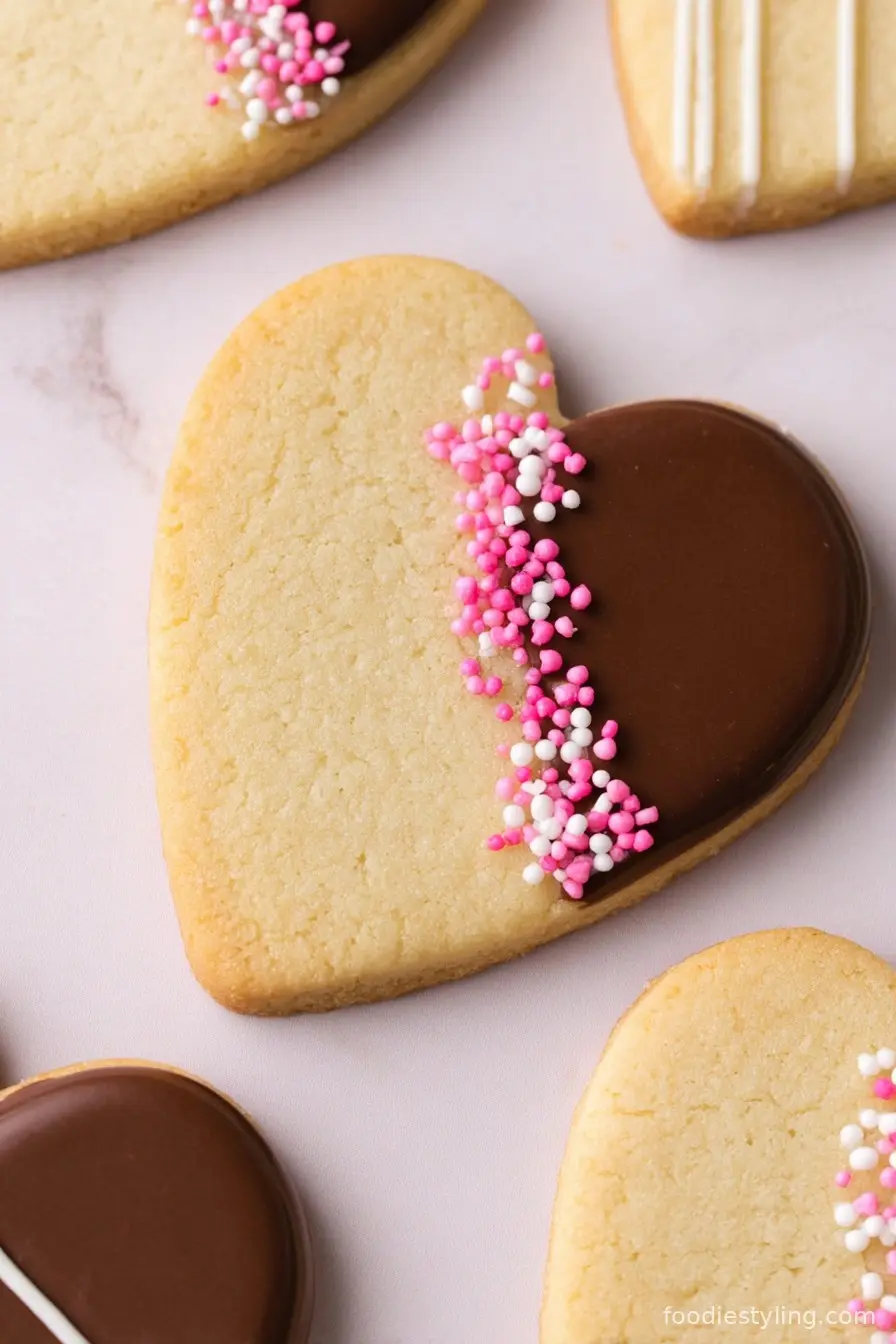
They are also a fun baking project to share with children, allowing creativity with decorations like chocolate drizzle, colorful sprinkles, or a dip in melted chocolate.
In this detailed recipe guide, you will learn everything you need to know to craft the perfect Valentine’s Shortbread Hearts, from ingredient selection to decoration ideas, nutritional insights, beverage pairings, and more.
Whether you are a seasoned baker or new to cookie-making, this recipe promises delightful results tailored for Valentine’s Day—or any occasion when you want to share a bit more love. Discover the timeless enjoyment of freshly baked, buttery shortbread from your own kitchen.
Ingredients
- 1 cup (2 sticks) unsalted butter, at room temperature
- ⅔ cup confectioners’ sugar (powdered sugar)
- ½ teaspoon pure vanilla extract
- ¼ teaspoon fine sea salt
- 2 cups all-purpose flour, sifted
- ¼ cup cornstarch
- Optional: ½ cup chocolate chips or candy melts (for decoration)
- Optional: Sprinkles, edible glitter, or finely chopped nuts
Instructions
- Preheat your oven to 325°F (163°C) and line two baking sheets with parchment paper.
- In a large mixing bowl, cream the softened butter and confectioners’ sugar together with an electric mixer until light and fluffy, about 3 minutes.
- Mix in the vanilla extract and salt, ensuring both are fully incorporated.
- Gradually sift in the all-purpose flour and cornstarch, mixing on low speed or by hand until the dough just comes together. Avoid overmixing for tender cookies.
- Turn the dough out onto a lightly floured work surface and knead gently until smooth. Divide the dough in half, shape into discs, and chill for 30 minutes to firm up.
- Roll out one disc of dough at a time to about ¼-inch thickness. Cut out heart shapes using a cookie cutter, re-rolling scraps as needed.
- Place the heart-shaped cookies onto the prepared baking sheets, leaving about 1 inch between each.
- Bake in the preheated oven for 12-15 minutes, or until the edges are just turning golden (do not overbake).
- Remove from the oven and let the cookies cool on the baking sheet for 5 minutes before transferring them to a wire rack to cool completely.
- Once cooled, decorate the Valentine’s Shortbread Hearts as desired. Drizzle with melted chocolate, dip halfway, or add sprinkles or nuts while chocolate is still soft.
- Let decorations set completely before transferring cookies to an airtight container for storage or gift packaging.
Nutritional Information
Valentine’s Shortbread Hearts are a delightful treat that can be enjoyed in moderation as part of a balanced diet. Each cookie, depending on the size and added decorations, contains an estimated 100-120 calories.
The primary source of calories comes from butter, which supplies the tender crumb and rich flavor shortbread is known for. A typical cookie contains approximately 7 grams of fat, primarily from the butter, with about 4 grams of saturated fat.
Carbohydrates come mainly from the flour and sugar, totaling around 12-14 grams per serving. Protein content is minimal, generally under 1 gram per cookie, and fiber is also quite low. The sodium level remains modest if unsalted butter and a pinch of salt are used.
Decorations such as chocolate or nuts can increase calories, fats, and sugars, so portion control is key. For those seeking a lighter option, consider substituting a portion of the butter with a plant-based alternative, using whole wheat pastry flour for extra fiber, or reducing the sugar slightly.
Despite being a treat, the homemade nature of Valentine’s Shortbread Hearts means you control exactly what goes into your cookies, making them a preferable choice over processed, store-bought alternatives. As always, balance indulgence with nutrient-rich meals and enjoy each bite as part of a festive occasion or special moment.
Wine and Beverage Pairings
The rich, buttery flavor of Valentine’s Shortbread Hearts pairs wonderfully with a range of beverages. For a classic afternoon treat, enjoy these cookies alongside a cup of black tea, such as Earl Grey or Darjeeling, which melds beautifully with the shortbread’s subtle sweetness.
For coffee lovers, a velvety cappuccino or a hot latte highlights the cookie’s buttery undertones. On Valentine’s evening, consider serving the cookies with a glass of sparkling rosé or a fruity semi-sweet wine, such as a Moscato or a late-harvest Riesling, to complement their delicate, melt-in-the-mouth texture.
For a non-alcoholic celebration, pair these cookies with a homemade strawberry or raspberry lemonade, amplifying the romance of the occasion. Children will love dunking their decorated Valentine’s Shortbread Hearts into a cold glass of milk or a mug of hot chocolate, making this recipe a heartwarming treat for all ages.
Cooking Tips and Variations
Achieving perfect Valentine’s Shortbread Hearts begins with using high-quality, room-temperature butter, as it creates a smoother dough and ensures even mixing. For the best texture, avoid over-mixing the dough, which can lead to tough cookies.
A brief chill in the refrigerator helps the dough firm up, making it easier to roll out and cut clean heart shapes. When cutting out hearts, dip your cookie cutter in flour between uses to prevent sticking.
If you want extra decorative appeal, brush cookies lightly with egg white before baking and sprinkle with coarse sugar for a sparkly finish. For flavor variations, consider adding citrus zest (like lemon or orange), a dash of almond extract, or even finely chopped dried berries to the dough.
To make your Valentine’s Shortbread Hearts gluten-free, substitute a quality gluten-free flour blend for regular flour. Chocolate lovers can sandwich two cookies with a layer of chocolate ganache or raspberry jam for a festive twist. For vegan cookies, use a plant-based butter substitute and ensure add-ins are dairy-free.
Lastly, remember that shortbread dough can be made ahead and frozen—simply thaw in the fridge before rolling out and baking, perfect for planning ahead for surprise Valentine’s gifts.
Serving Suggestions
Valentine’s Shortbread Hearts are as versatile to serve as they are charming to behold. Arrange them on a beautiful tiered platter or a decorative plate for a romantic afternoon tea, surrounded by fresh strawberries or raspberries.
For gifting, place an assortment of decorated cookies in cellophane bags tied with red or pink ribbon, or present them in a vintage-style cookie tin lined with tissue paper. They make a lovely addition to dessert tables at Valentine’s parties, bridal showers, or even as wedding favors.
For an elegant dessert presentation, pair several heart cookies with a scoop of vanilla ice cream and a drizzle of raspberry coulis for a restaurant-worthy finish.
If serving to children, let them decorate their own cookies as a fun and interactive activity, then enjoy the results with a cup of warm cocoa. When presenting Valentine’s Shortbread Hearts, consider adding a card with a sweet message or baking them with initials or names for a personalized touch.
Regardless of how you serve them, these cookies are sure to be the highlight of your Valentine’s celebration, spreading joy and sweetness to everyone who receives them.
Health Benefits
While Valentine’s Shortbread Hearts are an indulgence, enjoying them in moderation can be part of a balanced lifestyle. The primary health benefits come from the control you have when making your own cookies.
By baking at home, you avoid artificial additives, preservatives, and excessive sugars found in many commercially made treats. Opting for high-quality butter provides a source of fat-soluble vitamins such as Vitamin A, D, and E.
Small tweaks like using whole grain flour, reducing sugar quantity, or swapping in part-skim ricotta for some butter can enhance fiber content or lower overall calories. The joy of baking can also contribute to emotional well-being, fostering creativity, mindfulness, and connection, especially when shared with loved ones.
Those following special diets can easily adapt the recipe for gluten-free, dairy-free, or vegan preferences, ensuring everyone can enjoy homemade Valentine’s Shortbread Hearts without compromise. Remember, treats like these are meant to be savored and can help create positive, lasting food memories as part of a wholesome approach to eating.
Frequently Asked Questions
Yes, you can prepare the dough in advance and keep it refrigerated for up to three days, or freeze for up to three months. Baked cookies also stay fresh in an airtight container for up to a week.
While a heart-shaped cutter gives the classic look, you can use any shape you prefer, or even cut hearts freehand using a knife or a template.
For gluten-free cookies, substitute a gluten-free flour blend for the all-purpose flour. For a vegan version, use plant-based butter and ensure that any decorations are dairy-free.
Be sure to chill the dough before rolling and cutting, and place cut cookies back in the fridge for 10 minutes before baking to help hold their shape.
You can drizzle with melted chocolate, dip half the cookie, or use sprinkles and edible glitter. Let children join in for a fun decorating project!
Valentine’s Shortbread Hearts are a timeless, elegant cookie that brings a touch of love to any celebration. Their simple ingredients and melt-in-the-mouth texture make them a joy to bake and share, whether for Valentine’s Day or just to remind someone you care. With endless possibilities for decoration and easy customization for different dietary needs, these cookies are destined to become a cherished tradition in your home. Bake a batch to brighten someone’s day, package them as thoughtful gifts, or indulge with friends over coffee or tea. May your Valentine’s Shortbread Hearts be baked—and shared—with love.
Ingredients
- 1 cup (2 sticks) unsalted butter, at room temperature
- ⅔ cup confectioners’ sugar (powdered sugar)
- ½ teaspoon pure vanilla extract
- ¼ teaspoon fine sea salt
- 2 cups all-purpose flour, sifted
- ¼ cup cornstarch
- Optional: ½ cup chocolate chips or candy melts (for decoration)
- Optional: Sprinkles, edible glitter, or finely chopped nuts
Instructions
-
1Preheat your oven to 325°F (163°C) and line two baking sheets with parchment paper.
-
2In a large mixing bowl, cream the softened butter and confectioners’ sugar together with an electric mixer until light and fluffy, about 3 minutes.
-
3Mix in the vanilla extract and salt, ensuring both are fully incorporated.
-
4Gradually sift in the all-purpose flour and cornstarch, mixing on low speed or by hand until the dough just comes together. Avoid overmixing for tender cookies.
-
5Turn the dough out onto a lightly floured work surface and knead gently until smooth. Divide the dough in half, shape into discs, and chill for 30 minutes to firm up.
-
6Roll out one disc of dough at a time to about ¼-inch thickness. Cut out heart shapes using a cookie cutter, re-rolling scraps as needed.
-
7Place the heart-shaped cookies onto the prepared baking sheets, leaving about 1 inch between each.
-
8Bake in the preheated oven for 12-15 minutes, or until the edges are just turning golden (do not overbake).
-
9Remove from the oven and let the cookies cool on the baking sheet for 5 minutes before transferring them to a wire rack to cool completely.
-
10Once cooled, decorate the Valentine’s Shortbread Hearts as desired. Drizzle with melted chocolate, dip halfway, or add sprinkles or nuts while chocolate is still soft.
-
11Let decorations set completely before transferring cookies to an airtight container for storage or gift packaging.
Approximate Information for One Serving
Nutrition Disclaimers
Number of total servings shown is approximate. Actual number of servings will depend on your preferred portion sizes.
Nutritional values shown are general guidelines and reflect information for 1 serving using the ingredients listed, not including any optional ingredients. Actual macros may vary slightly depending on specific brands and types of ingredients used.
To determine the weight of one serving, prepare the recipe as instructed. Weigh the finished recipe, then divide the weight of the finished recipe (not including the weight of the container the food is in) by the desired number of servings. Result will be the weight of one serving.
Did you make this recipe?
Please consider Pinning it!