Introducing your baby to solid foods is an exciting milestone, and Easy Homemade Baby Puffs are an excellent way to kick off the journey with healthy, hand-held snacks.
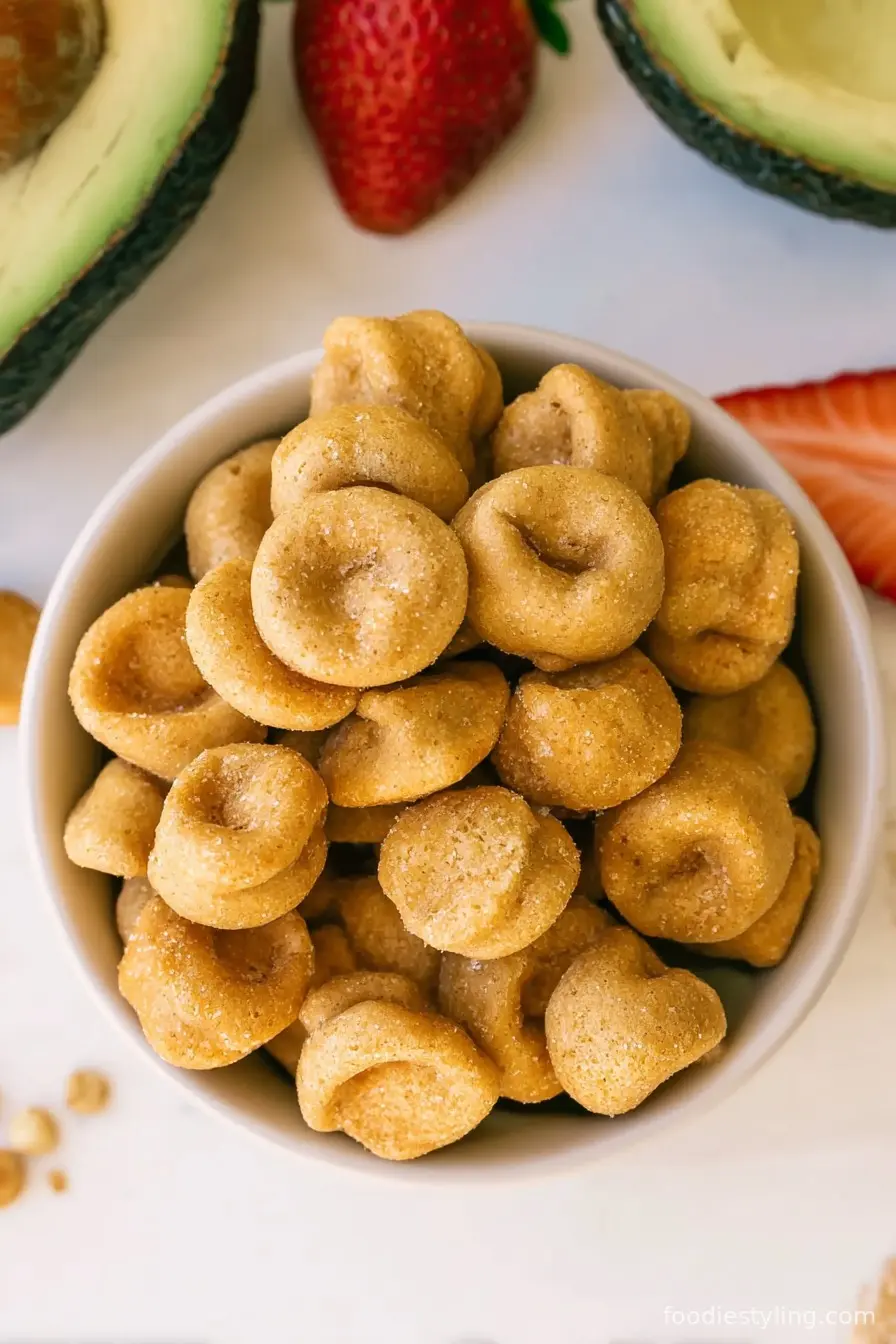
As parents and caregivers seek convenient yet nourishing options for their little ones, homemade baby puffs have gained popularity thanks to their simple preparation and customizable ingredients.
These miniature puffed snacks are specially designed for small hands and growing tummies, combining whole grains, fruits, and veggie purees into an irresistible, melt-in-the-mouth texture. Originating as a healthier alternative to commercial, often sugar-laden snacks, baby puffs allow you to control ingredients, flavor profiles, and texture.
Plus, baking them at home means you avoid preservatives and unnecessary additives.
With a base of sprouted oat flour (or regular oat or rice flour), egg yolks (or flax eggs as a substitute), and the option to add nutrient-dense spirulina, these baby puffs ensure your child not only develops fine motor skills but also enjoys a variety of tastes from an early age.
Whether it's bananas, pears, spinach, or sweet potatoes, you can incorporate favorite fruits and veggies to enhance both nutrition and flavor.
In this in-depth guide, you'll learn everything you need to know about making Easy Homemade Baby Puffs, including step-by-step instructions, nutritional insights, tips for perfect results, and expert answers to common questions. By the end, you'll feel confident feeding your baby wholesome snacks that support healthy growth and development.
Ingredients
- 1 cup sprouted oat flour, or regular oat flour or rice flour
- 1 cup puree of fruits, can combine with veggies (such as any combo of bananas, apples, pear, mango, kale, spinach, carrots, sweet potatoes, etc)
- 1 tablespoon coconut oil, melted
- 2 egg yolks, or flax eggs*
- 1 teaspoon baking powder
- OPTIONAL: 1 teaspoon spirulina
- IF NEEDED: 1-4 tablespoon bone broth, or water or breastmilk
Instructions
- Begin by heating your oven to 350 degrees Fahrenheit. Prepare a baking sheet by lining it with parchment paper to prevent sticking and to make cleanup easy.
- In a large mixing bowl, combine the oat (or rice) flour, selected fruit and vegetable puree, melted coconut oil, egg yolks (or flax eggs for a plant-based option), baking powder, and spirulina if using. Use a spatula or spoon to thoroughly mix the ingredients until a smooth, thick batter forms. The mixture should be similar to a dense pancake batter; if it appears too dense or difficult to mix, gradually add bone broth, water, or breastmilk—just one tablespoon at a time—until the ideal consistency is achieved. If the mixture becomes too runny, add a small amount of additional flour to thicken it back up.
- Transfer the batter into a piping bag or pour it into a resealable plastic bag and snip a small corner off one end to form your own makeshift piping tool.
- Carefully pipe small circles or creative shapes of batter onto your prepared baking sheet. Make sure the shapes do not touch each other to ensure even baking and prevent them from sticking together.
- Place the baking sheet in the preheated oven and bake for about 8 minutes. For best results, rotate the baking sheet halfway through this initial baking period to ensure consistent cooking and color.
- After the first bake, reduce the oven temperature to 250 degrees Fahrenheit. Continue baking the puffs for an additional 20 to 30 minutes. The total time will vary depending on the size and shape of your puffs. Monitor them closely; they should feel dry to the touch with gentle golden edges. Avoid overbaking, as this can make the puffs overly crunchy and less likely to melt in your baby’s mouth.
- Remove the baking sheet from the oven and leave the puffs to cool completely on the tray. They will firm up even more as they cool, developing their signature airy texture.
- Once the puffs have cooled, test one by placing it in your mouth to ensure it dissolves quickly and safely. The goal is for a light, gentle melt rather than a crunchy bite—perfect for younger babies.
- Store the finished baby puffs in an airtight container at room temperature. For peak freshness and texture, enjoy within one week.
Nutritional Information
Homemade baby puffs provide a thoughtful balance of essential nutrients tailored for developing infants and toddlers. With a primary base of oat or rice flour, the puffs supply complex carbohydrates, fueling your child's energy needs throughout play and discovery.
The addition of fruit and vegetable purees introduces vital vitamins such as vitamin C, vitamin A, potassium, and important dietary fiber, supporting immunity and healthy digestion.
Egg yolks contribute choline, good-quality protein, and healthy fats crucial for brain and nerve development, while coconut oil adds lauric acid—a fatty acid also found in breast milk that offers antimicrobial benefits. Baking powder delivers the signature light texture without the need for excess fat or sugar.
For babies following a plant-based diet, flax eggs supply omega-3s and fiber. Optional spirulina brings a natural source of iron, protein, and antioxidants, which may help fill nutritional gaps.
Serving your little one easy homemade baby puffs lets you steer clear of highly processed store-bought snacks, avoiding unnecessary salt, sugar, and additives that can impact health over time.
Each serving is low in sugar, gentle on tiny tummies, and designed to dissolve safely, making these puffs not just a tasty snack but a smart addition to your child's balanced early diet.

Wine and Beverage Pairings
Since these Easy Homemade Baby Puffs are intended for infants and toddlers, the preferred beverage pairing is typically breast milk, infant formula, or water, depending on your child’s age and feeding stage.
For older children, a small cup of diluted fruit juice or homemade fruit-infused water can be offered alongside the puffs as an introduction to new flavors, but always consult with your pediatrician before introducing any new beverages.
Serving these puffs with a regular drink ensures your baby stays hydrated, especially when trying new solid foods.
Cooking Tips and Variations
To achieve the best possible Easy Homemade Baby Puffs, pay special attention to the texture of your batter; it's the key to successfully piped shapes and the signature melt-in-your-mouth finish. Ensure your puree is thick but not watery, as excess moisture can make the batter too runny.
Experiment with different puree combinations, such as banana-spinach or sweet potato-pear, to both expand your baby's palate and add nutritional diversity.
When using flax eggs as an egg yolk alternative, mix 1 tablespoon of ground flaxseed with 2.5 tablespoons of water per egg yolk and let it sit for a few minutes to thicken. If you're adding spirulina, begin with a smaller amount, particularly for first-time taste exposure.
When piping, small and evenly-sized shapes bake more consistently and are easier for little fingers to handle. If you don't have a piping bag, a resealable bag with a tiny snipped corner works just as well.
Remember, overbaking can lead to crunchier puffs that are less suitable for young babies still learning to chew, so start checking for doneness at the lower end of the time range.
For a subtle twist, try blending in a pinch of cinnamon or a mild spice to match your baby’s preferences. Lastly, always supervise your baby during snack times for safety and to encourage good eating habits.

Serving Suggestions
These Easy Homemade Baby Puffs shine as a convenient on-the-go snack or as part of a thoughtfully planned mealtime. Arrange a handful of puffs on your baby's highchair tray, encouraging self-feeding and development of fine motor skills through picking up, grasping, and tasting the puffs independently.
For younger infants just beginning solids, start with smaller quantities and always observe closely to ensure safe eating. Place puffs in a small snack cup for travel, doctor’s visits, or park outings for a no-mess snack that keeps little hands busy and tummies satisfied.
You can also pair them with other nutrient-rich finger foods—think soft fruit dices, cooked veggie pieces, or yogurt—for a balanced mini-meal. Because homemade puffs are naturally mild and customizable, they work well alongside a variety of baby-led weaning foods.
Don’t forget to model eating the snacks yourself; babies are more likely to try foods when they see parents or siblings enjoying them. For playdates or group snacks, make puffs in fun shapes or use a mix of colorful purees to add visual interest, sparking curiosity and encouraging adventurous eating.
Ultimately, always monitor during snacking for safety and keep water nearby for easy sipping.
Health Benefits
Easy Homemade Baby Puffs are designed with your baby’s well-being in mind, offering more control over ingredients and allergens compared to store-bought alternatives. The use of whole oat or rice flour introduces essential dietary fiber, supporting digestive comfort and regularity.
Including pureed fruits and vegetables enhances the nutritional profile, delivering vitamins, minerals, and antioxidants to aid immunity and growth. Egg yolks, if used, provide choline for cognitive development, while optional flax eggs cater to vegan families by bringing plant-based omega-3 fatty acids essential for eye and brain health.
Coconut oil, a source of good fats, aids in nutrient absorption and energy supply, and the baking method ensures a low-oil, low-sugar treat. Spirulina, though optional, is a superfood rich in protein and iron, both crucial for growth and development.
Homemade puffs also allow parents to skip excessive salt, sugar, artificial colors, and preservatives, lowering the risk of exposing sensitive infants to unnecessary additives. By crafting your own easy homemade baby puffs, you foster healthy snacking habits and increase your child’s exposure to whole, natural foods.
Frequently Asked Questions
Yes, you can use regular oat flour or rice flour in place of sprouted oat flour. Make sure any alternative flour you choose is safe and suitable for your baby's individual dietary needs.
Once fully cooled, the puffs should easily melt in your mouth without requiring chewing. Always test the texture before serving and supervise your baby to ensure they eat safely.
These puffs are best enjoyed fresh and can be stored in an airtight container at room temperature for up to one week. Freezing may affect their texture, making them less enjoyable for infants.
Bananas, apples, pears, and mango blend smoothly, while spinach, kale, carrots, and sweet potatoes add nutrition without overpowering flavor. Use a thick puree for best results.
Most babies can try puffs once they are ready for finger foods, typically around 6-8 months old, are able to sit upright, and have started solids. Always consult your pediatrician first.
Making Easy Homemade Baby Puffs at home empowers you to nurture your child’s nutrition and introduce wholesome foods in an enjoyable, safe way. These gentle, melt-in-the-mouth snacks are packed with whole grains, fruits, vegetables, and good fats, supporting your little one’s growth and development with every bite. By avoiding unnecessary additives and tailoring ingredients to your baby's tastes, you create a nurturing snacking experience that promotes self-feeding and healthy eating habits from the very beginning. Whether you’re a first-time parent or an experienced caregiver, these baby puffs blend simplicity, versatility, and nutrition, making them a must-have in your collection of baby-friendly recipes. Delight in preparing snacks you can trust and enjoy the peace of mind that comes with knowing exactly what’s fueling your child’s adventures.
Ingredients
- 1 cup sprouted oat flour, or regular oat flour or rice flour
- 1 cup puree of fruits, can combine with veggies (such as any combo of bananas, apples, pear, mango, kale, spinach, carrots, sweet potatoes, etc)
- 1 tablespoon coconut oil, melted
- 2 egg yolks, or flax eggs*
- 1 teaspoon baking powder
- OPTIONAL: 1 teaspoon spirulina
- IF NEEDED: 1-4 tablespoon bone broth, or water or breastmilk
Instructions
-
1Begin by heating your oven to 350 degrees Fahrenheit. Prepare a baking sheet by lining it with parchment paper to prevent sticking and to make cleanup easy.
-
2In a large mixing bowl, combine the oat (or rice) flour, selected fruit and vegetable puree, melted coconut oil, egg yolks (or flax eggs for a plant-based option), baking powder, and spirulina if using. Use a spatula or spoon to thoroughly mix the ingredients until a smooth, thick batter forms. The mixture should be similar to a dense pancake batter; if it appears too dense or difficult to mix, gradually add bone broth, water, or breastmilk—just one tablespoon at a time—until the ideal consistency is achieved. If the mixture becomes too runny, add a small amount of additional flour to thicken it back up.
-
3Transfer the batter into a piping bag or pour it into a resealable plastic bag and snip a small corner off one end to form your own makeshift piping tool.
-
4Carefully pipe small circles or creative shapes of batter onto your prepared baking sheet. Make sure the shapes do not touch each other to ensure even baking and prevent them from sticking together.
-
5Place the baking sheet in the preheated oven and bake for about 8 minutes. For best results, rotate the baking sheet halfway through this initial baking period to ensure consistent cooking and color.
-
6After the first bake, reduce the oven temperature to 250 degrees Fahrenheit. Continue baking the puffs for an additional 20 to 30 minutes. The total time will vary depending on the size and shape of your puffs. Monitor them closely; they should feel dry to the touch with gentle golden edges. Avoid overbaking, as this can make the puffs overly crunchy and less likely to melt in your baby’s mouth.
-
7Remove the baking sheet from the oven and leave the puffs to cool completely on the tray. They will firm up even more as they cool, developing their signature airy texture.
-
8Once the puffs have cooled, test one by placing it in your mouth to ensure it dissolves quickly and safely. The goal is for a light, gentle melt rather than a crunchy bite—perfect for younger babies.
-
9Store the finished baby puffs in an airtight container at room temperature. For peak freshness and texture, enjoy within one week.
Approximate Information for One Serving
Nutrition Disclaimers
Number of total servings shown is approximate. Actual number of servings will depend on your preferred portion sizes.
Nutritional values shown are general guidelines and reflect information for 1 serving using the ingredients listed, not including any optional ingredients. Actual macros may vary slightly depending on specific brands and types of ingredients used.
To determine the weight of one serving, prepare the recipe as instructed. Weigh the finished recipe, then divide the weight of the finished recipe (not including the weight of the container the food is in) by the desired number of servings. Result will be the weight of one serving.
Did you make this recipe?
Please consider Pinning it!