Gluten-Free Lemon Drizzle Cake is a delightful twist on the classic lemon cake, celebrated for its vibrant citrus flavor, moist texture, and irresistibly tangy glaze. This beloved bake is especially popular in British baking traditions, where the combination of lemon and sweetness forms the centerpiece of many treasured teatime tables.
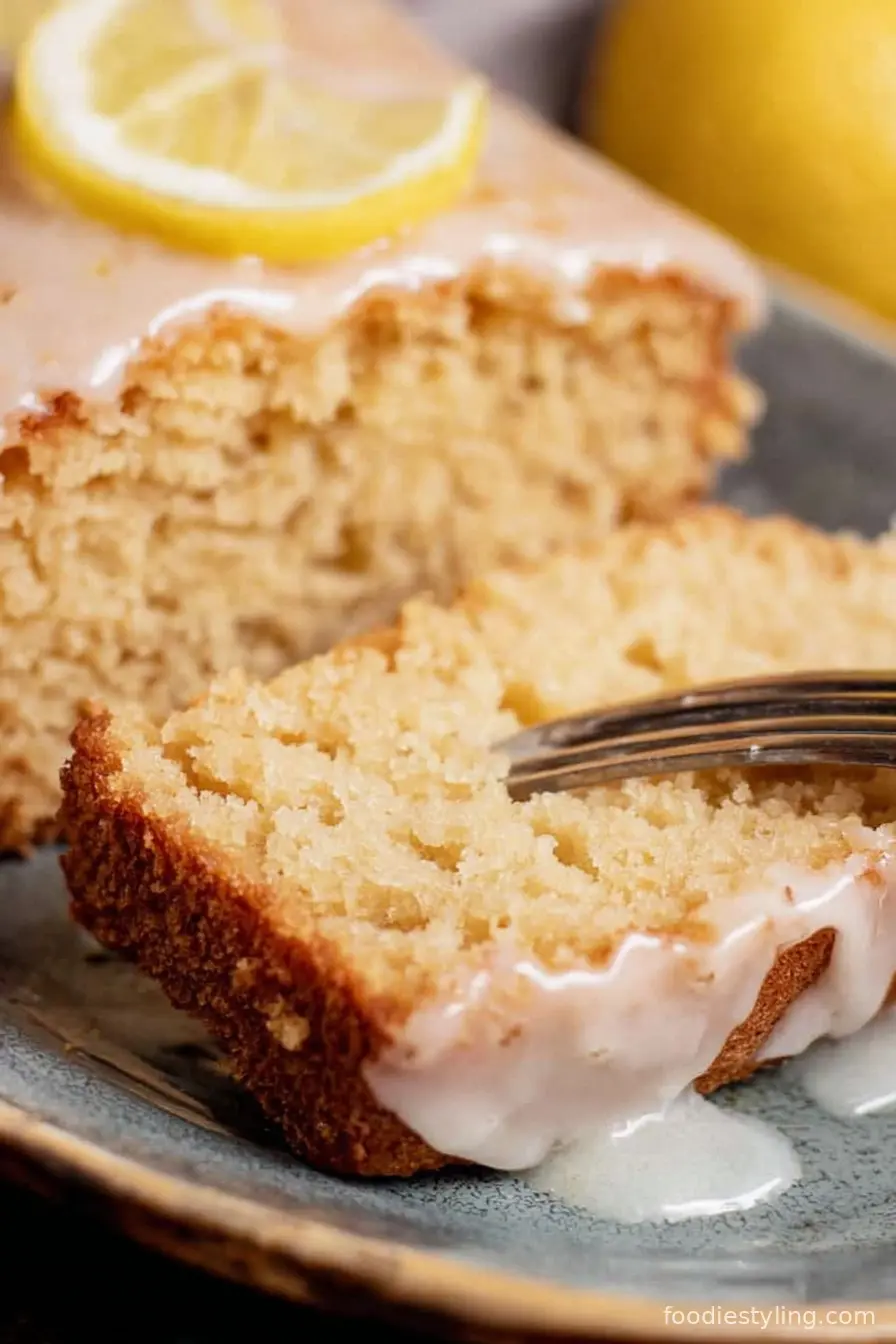
Originating as a simple, homey dessert, the lemon drizzle cake rose to fame in the 20th century for its straightforward preparation and bright, refreshing taste.
Our gluten-free lemon drizzle cake preserves all the original's goodness but is entirely free of wheat and gluten, making it perfect for anyone with coeliac disease or those following a gluten-free lifestyle.
By swapping traditional flour for a blend of gluten-free alternatives, the cake maintains its tender crumb and lively flavor without compromising texture or satisfaction. The zesty lemon syrup that soaks into the warm cake gives it a beautiful glaze and moist finish, ensuring every bite is bursting with citrusy happiness.
Whether you have guests with special dietary needs or you're simply in the mood for a hassle-free, sunshine-filled dessert, gluten-free lemon drizzle cake is an excellent choice.
Baking this cake is a journey through tradition, taste, and inclusivity — and once you try it, it might just become your new signature bake.
Read on to discover the best gluten-free lemon drizzle cake recipe, along with pro tips, variations, nutritional insights, and more to perfect this classic treat in your kitchen.
Ingredients
- 200g gluten-free self-raising flour blend
- 50g ground almonds (optional, for extra moisture)
- 1 teaspoon gluten-free baking powder
- Pinch of salt
- 200g unsalted butter, softened
- 200g caster sugar
- 4 large eggs, at room temperature
- Zest of 2 unwaxed lemons
- Juice of 1 lemon
- 1 teaspoon pure vanilla extract
- 3 tablespoons milk (use dairy or non-dairy alternative for lactose free)
- For the drizzle: Juice of 2 lemons
- 100g caster sugar
Instructions
- Preheat your oven to 180°C (160°C fan) or 350°F. Grease and line a 900g/2lb loaf tin with baking parchment.
- In a medium bowl, mix the gluten-free self-raising flour, ground almonds, baking powder, and a pinch of salt.
- In a large mixing bowl, cream the softened butter and caster sugar together until pale and fluffy, using an electric hand mixer or stand mixer.
- Add the eggs one at a time, beating well after each addition. If the mixture begins to curdle, add a tablespoon of the flour mixture with the next egg.
- Mix in the lemon zest, lemon juice, and vanilla extract until well combined.
- Gradually fold in the dry ingredients from the medium bowl, alternating with the milk, until the batter is smooth and fully incorporated.
- Spoon the batter into the prepared loaf tin, smoothing the top with a spatula.
- Bake in the preheated oven for 45-50 minutes, or until a skewer inserted into the center comes out clean or with a few moist crumbs attached.
- While the cake is baking, prepare the lemon drizzle by mixing the juice of 2 lemons with 100g caster sugar in a small bowl until the sugar dissolves.
- Once the cake is done, remove it from the oven and leave it to cool in the tin for about 10 minutes.
- While the cake is still warm, use a skewer to poke holes all over its surface. Slowly pour the lemon drizzle over the cake, allowing it to soak in.
- Let the cake cool completely in the tin before removing and slicing to serve.
Nutritional Information
Gluten-Free Lemon Drizzle Cake is a delightful treat that manages to balance indulgence with some nutritional considerations. A typical slice (about 1/10th of the cake) contains approximately 250-280 calories, primarily from the combination of butter, sugar, and gluten-free flour used in the recipe.
The inclusion of ground almonds adds healthy fats and a touch of extra protein, making the cake more satiating than other gluten-free bakes.
Despite its rich taste, the cake is lower in saturated fat than some desserts due to the ability to substitute dairy-free butter and milk, offering flexibility for different dietary preferences.
The citrus content contributes vitamin C, and utilizing the whole lemon — both zest and juice — means you’re incorporating beneficial antioxidants. The cake is, however, moderate in sugar, so those closely monitoring sugar intake should enjoy it as an occasional treat.
Unlike some gluten-free desserts that rely on excessive starches or additives, this lemon drizzle cake uses wholesome, naturally gluten-free ingredients that can fit comfortably within an active, balanced lifestyle.
Portion control is key when enjoying baked goods like this; paired wisely with lighter meals throughout the day, it can be a delightful and permissible addition to any menu.
For individuals following a gluten-free diet, this recipe poses no risk of cross-contamination as long as you select certified gluten-free ingredients and bakeware. Overall, gluten-free lemon drizzle cake provides a sweet, sunny treat with careful attention to dietary needs, taste, and texture.
Wine and Beverage Pairings
Gluten-Free Lemon Drizzle Cake pairs beautifully with a variety of beverages to create a perfect teatime or dessert experience. A light, aromatic Earl Grey or Darjeeling tea complements the cake’s citrus notes without overpowering its delicate crumb.
For coffee lovers, a mild roast or gentle cold brew works well, especially if enjoyed with a splash of milk. If you’re seeking a celebratory drink, consider serving the cake with a crisp sparkling wine or a glass of Prosecco, as the bubbles and acidity accentuate the lemon’s freshness.
For non-alcoholic options, a homemade lemonade, lemon iced tea, or even a refreshing elderflower cordial can highlight and round out the cake’s zingy flavors. Experiment with herbal infusions like chamomile, which offers a calming, soothing pairing to the cake’s lively tang.
No matter your beverage choice, the zesty, sweet-tart profile of gluten-free lemon drizzle cake promises a delightful match.
Cooking Tips and Variations
For an extra moist gluten-free lemon drizzle cake, be meticulous about measuring your ingredients. Use a kitchen scale for best accuracy, especially for gluten-free flours which are often more sensitive to ratios.
If your chosen gluten-free flour blend lacks xanthan gum, consider adding ½ teaspoon to help the cake hold together for an optimal crumb.
Experiment by substituting the ground almonds for coconut flour or omitting them entirely if you have a nut allergy; the texture will change slightly, but the cake will still be delicious. During mixing, avoid over-beating the batter after adding the flour, as this helps ensure a tender, moist crumb.
For an added citrus punch, fold in an extra tablespoon of lemon zest or finish the cooled cake with a zesty lemon glaze made from icing sugar and lemon juice.
If you want to make cupcakes instead of a loaf, divide the batter into a lined muffin tin and adjust the baking time to 20-25 minutes. For a vegan version, swap the eggs for flaxseed eggs, use dairy-free butter and milk, and add a touch more baking powder for lift.
Always check your baking powder label for gluten to avoid any accidental gluten exposure. Lastly, the cake stores well and actually improves in flavor after a day, making it perfect for preparing ahead for gatherings or special occasions.
Whether served plain or decorated with poppy seeds, edible flowers, or a sprinkle of lemon zest, gluten-free lemon drizzle cake invites customization and creativity in the kitchen.

Serving Suggestions
Serving gluten-free lemon drizzle cake is a celebration in itself, as its sunlit flavor and attractive glaze make it the star of any dessert table. To achieve the perfect slice, allow the cake to fully cool in the tin, which helps it maintain its moist, cohesive texture.
Once cooled, gently release it from the tin and place it on a serving platter. For added aesthetic appeal, dust the top lightly with icing sugar or garnish with a handful of thinly sliced lemons and a sprinkle of finely grated zest.
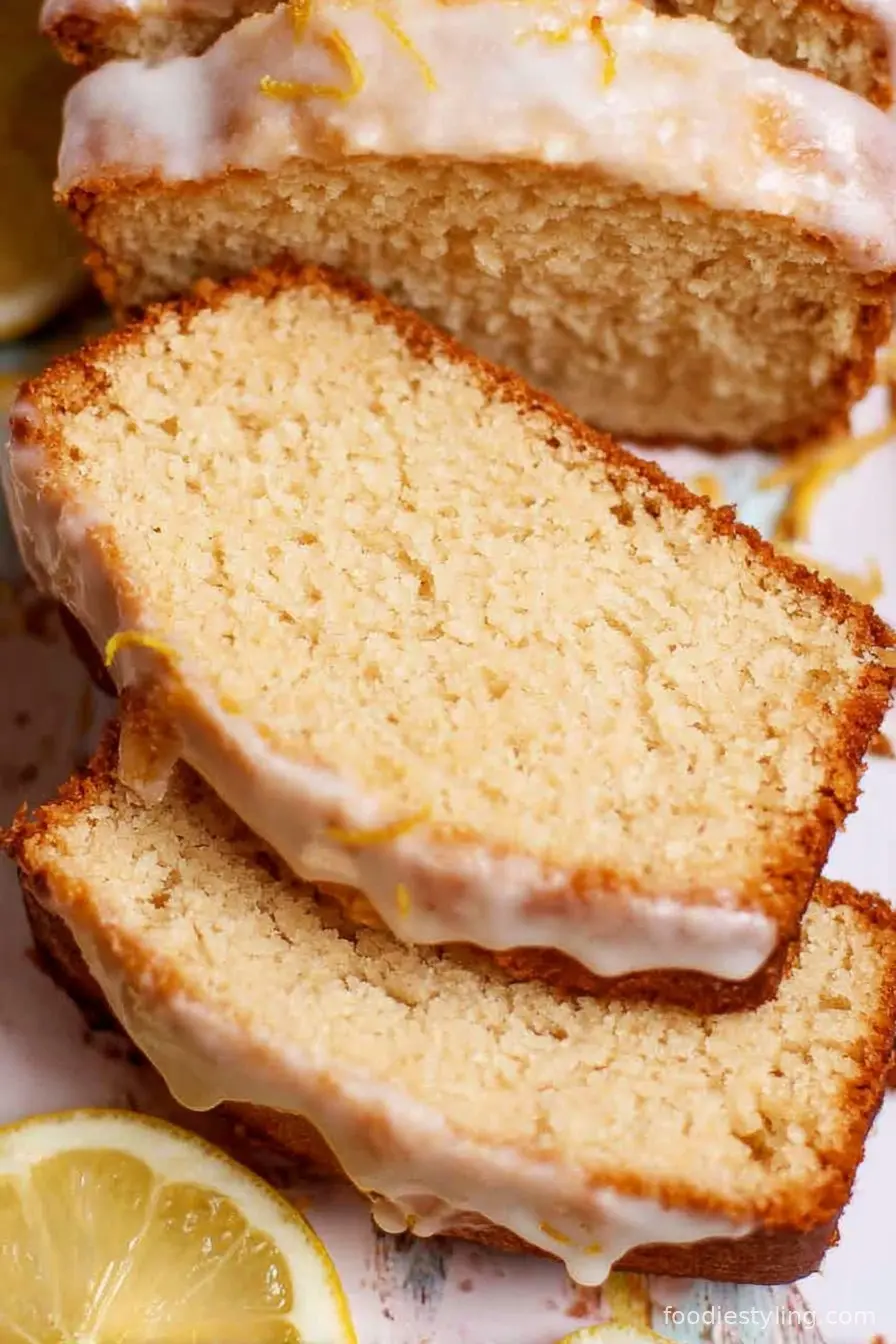
If you’re catering to a crowd, slice the loaf into thin, even slices to showcase the golden crumb and glistening drizzle. Serve each piece on its own or alongside a dollop of dairy-free Greek-style yogurt or a scoop of lemon sorbet for a dramatic temperature and flavor contrast.
During summer, create an elegant dessert plate by pairing cake slices with fresh berries, such as raspberries or blueberries, which add a burst of color and enhance the cake’s citrus profile.
For a more formal occasion, layer thin slices with whipped cream or lemon curd between cake pieces, fusing texture and taste. Gluten-free lemon drizzle cake holds up well for picnics and lunchboxes, remaining flavorful for several days when stored in an airtight container.
Whether at afternoon tea, birthdays, weekend brunch, or holiday feasts, this cake stands out as a versatile, crowd-pleasing sweet treat.
Health Benefits
Gluten-free lemon drizzle cake offers many health-conscious benefits, particularly for individuals with gluten sensitivities, wheat allergies, or coeliac disease. By substituting traditional wheat flour with tested, certified gluten-free blends, the risk of digestive discomfort is eliminated, making the cake accessible and safe for many.
The addition of lemons adds natural vitamin C, which supports immune health and aids iron absorption. The inclusion of ground almonds brings healthy monounsaturated fats and extra protein, which help balance the cake’s impact on blood sugar.
Opting for a dairy-free version further broadens its appeal to those-lactose intolerant or following a plant-based diet.
Since the cake contains no artificial additives or preservatives, it’s a cleaner alternative to store-bought cakes, and making it at home allows for customization, such as reducing sugar or using alternative sweeteners like coconut sugar or stevia.
By using whole, fresh lemons, you also benefit from antioxidants found in both zest and juice.
While still a treat food best enjoyed in moderation due to sugar content, gluten-free lemon drizzle cake enables those with dietary restrictions to participate fully in social and celebratory settings without missing out on flavor or experience.
Frequently Asked Questions
Yes, gluten-free lemon drizzle cake actually improves in flavor and moisture when made a day in advance. Store it in an airtight container at room temperature for up to 3 days or refrigerate for longer freshness.
A high-quality, all-purpose gluten-free self-raising flour blend usually yields the best texture. Look for blends containing rice flour, potato starch, and tapioca starch for a soft crumb. If your blend does not contain xanthan gum, add ½ teaspoon to the recipe.
Yes, you can freeze the cake either whole or sliced for up to 2 months. Wrap it well in plastic wrap and foil before freezing. Defrost at room temperature before serving.
Be careful not to overbake the cake, and always use accurate measurements. Adding ground almonds and ensuring you pour the lemon syrup while the cake is still warm increases moisture. Store leftovers in an airtight container to retain softness.
Yes, simply omit the ground almonds or substitute with an equal amount of additional gluten-free flour or coconut flour. The cake will have a slightly different texture but will still be delicious and nut-free.
Gluten-Free Lemon Drizzle Cake is a timeless dessert, merging the irresistible brightness of lemon with a soft, moist crumb and an enchanting sugar glaze. Completely free from gluten and easily adaptable to other dietary preferences, this cake is a joy to bake and even more delightful to serve. Its inviting aroma, cheerful appearance, and universally loved flavor make it perfect for any occasion, from relaxed afternoon teas to elegant celebrations. With the right techniques and ingredients, anyone can enjoy the classic pleasure of lemon drizzle cake — no gluten required. Embrace this recipe for special occasions, family gatherings, or anytime you crave a treat that’s both inclusive and bursting with sunny flavor. Happy baking!
Ingredients
- 200g gluten-free self-raising flour blend
- 50g ground almonds (optional, for extra moisture)
- 1 teaspoon gluten-free baking powder
- Pinch of salt
- 200g unsalted butter, softened
- 200g caster sugar
- 4 large eggs, at room temperature
- Zest of 2 unwaxed lemons
- Juice of 1 lemon
- 1 teaspoon pure vanilla extract
- 3 tablespoons milk (use dairy or non-dairy alternative for lactose free)
- For the drizzle: Juice of 2 lemons
- 100g caster sugar
Instructions
-
1Preheat your oven to 180°C (160°C fan) or 350°F. Grease and line a 900g/2lb loaf tin with baking parchment.
-
2In a medium bowl, mix the gluten-free self-raising flour, ground almonds, baking powder, and a pinch of salt.
-
3In a large mixing bowl, cream the softened butter and caster sugar together until pale and fluffy, using an electric hand mixer or stand mixer.
-
4Add the eggs one at a time, beating well after each addition. If the mixture begins to curdle, add a tablespoon of the flour mixture with the next egg.
-
5Mix in the lemon zest, lemon juice, and vanilla extract until well combined.
-
6Gradually fold in the dry ingredients from the medium bowl, alternating with the milk, until the batter is smooth and fully incorporated.
-
7Spoon the batter into the prepared loaf tin, smoothing the top with a spatula.
-
8Bake in the preheated oven for 45-50 minutes, or until a skewer inserted into the center comes out clean or with a few moist crumbs attached.
-
9While the cake is baking, prepare the lemon drizzle by mixing the juice of 2 lemons with 100g caster sugar in a small bowl until the sugar dissolves.
-
10Once the cake is done, remove it from the oven and leave it to cool in the tin for about 10 minutes.
-
11While the cake is still warm, use a skewer to poke holes all over its surface. Slowly pour the lemon drizzle over the cake, allowing it to soak in.
-
12Let the cake cool completely in the tin before removing and slicing to serve.
Approximate Information for One Serving
Nutrition Disclaimers
Number of total servings shown is approximate. Actual number of servings will depend on your preferred portion sizes.
Nutritional values shown are general guidelines and reflect information for 1 serving using the ingredients listed, not including any optional ingredients. Actual macros may vary slightly depending on specific brands and types of ingredients used.
To determine the weight of one serving, prepare the recipe as instructed. Weigh the finished recipe, then divide the weight of the finished recipe (not including the weight of the container the food is in) by the desired number of servings. Result will be the weight of one serving.
Did you make this recipe?
Please consider Pinning it!