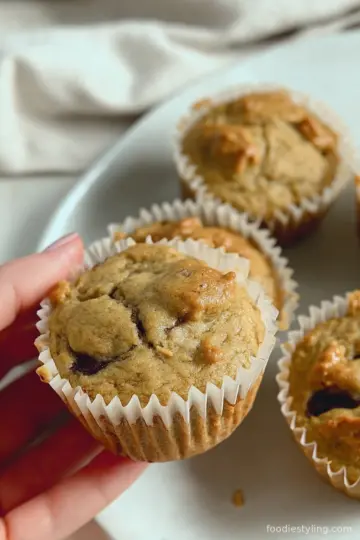
Cottage Cheese Egg Bites have soared in popularity as a convenient, protein-rich breakfast option that fits effortlessly into busy lives. Their origins can be traced to a blend of classic French egg dishes like quiche and the modern demand for portable, nutritious meals.

Combining the creamy tang of cottage cheese with fluffy eggs, crispy bacon, and melty Colby jack cheese, these egg bites deliver flavor in every bite.
They not only appeal to those seeking low-carb, keto, or high-protein meals, but also to families and professionals who want breakfast that’s both tasty and efficient to prepare.
Egg bites first gained mainstream traction with coffee shop chains, but making them at home is so simple and allows for customization while controlling ingredients for health and dietary needs.
The use of cottage cheese adds a luxurious texture and boosts the protein content without the heaviness of cream, setting these apart from traditional baked egg recipes. Whether you’re meal prepping for the week or serving brunch guests, Cottage Cheese Egg Bites are a versatile and beloved dish.
In this detailed article, you’ll discover step-by-step instructions, essential cooking tips, nutrition insights, beverage pairings, serving ideas, health benefits, frequently asked questions, and more — all tailored to help you master Cottage Cheese Egg Bites at home.
Ingredients
- ¾ cups bacon bits, cooked
- 7 large eggs
- 1 cup cottage cheese
- 1 cup Colby jack cheese, shredded
- ¼ teaspoon salt
- ¼ teaspoon black pepper
- Cooking oil spray
Instructions
- Begin by preheating your oven to 325°F. This moderate temperature helps create a gentle cooking environment, resulting in tender and moist egg bites without over-browning.
- Crack the eggs into a medium-sized mixing bowl. Thoroughly whisk them until the yolks and whites are completely blended and the mixture has a light, uniform consistency. This ensures the baked egg bites will be fluffy and have a consistent texture throughout.
- To the beaten eggs, add your cooked bacon bits, cottage cheese, shredded Colby jack cheese, salt, and black pepper. Stir everything together until all the ingredients are well-distributed and the mixture takes on a slightly creamy texture from the cheese. Properly mixing now ensures that every bite has a bit of each ingredient.
- Take a 12-cup muffin pan and coat each cup generously with cooking oil spray. This step is crucial, as it prevents sticking and allows your egg bites to release easily once baked, preserving their perfect shape.
- Distribute the egg mixture evenly among the 12 prepared muffin cups. Use a ladle or a large spoon to ensure each cup is filled to about the same level, which promotes even baking and helps all egg bites cook at the same rate.
- Place a shallow pan of water on the bottom rack of your oven. This adds steam to the baking environment, resulting in a soft, custard-like texture and minimizing the risk of the egg bites becoming rubbery or dry.
- Carefully set the muffin pan on the upper rack in the oven. Bake the egg bites for 23-25 minutes, keeping an eye on them as they approach the end of the baking time. The tops should be set but not overly browned.
- To test doneness, insert a toothpick into the center of one of the egg bites. If it comes out clean with no wet egg mixture, the bites are cooked through and ready to be removed from the oven.
- Allow the egg bites to cool in the muffin pan for just a few minutes to firm up slightly and make them easier to handle. Before they cool completely, gently loosen the edges with a spoon or small spatula and transfer the egg bites to a wire rack to prevent condensation underneath.
- Enjoy your Cottage Cheese Egg Bites while warm, or let them cool completely to store for meal prep. They’re delicious on their own or served with your favorite breakfast sides!
Nutritional Information
Cottage Cheese Egg Bites boast an impressive nutritional profile, making them a top choice for health-conscious individuals. Each bite is packed with high-quality protein from eggs, cottage cheese, and bacon, supporting muscle repair and sustained energy.
The inclusion of cottage cheese not only imparts a creamy texture but also enriches the recipe with calcium and additional proteins, while Colby jack cheese adds flavor and essential fats for satiety. Bacon provides a savory touch and a source of vitamin B12 and minerals.
With a moderate amount of salt and pepper, this dish is seasoning-focused without excessive sodium, especially if you opt for lower-sodium bacon. Since the bites are baked rather than fried, they're lower in unnecessary fats and calories.
Each serving contains healthy fats, vitamin A, vitamin D, phosphorus, and B vitamins, contributing to brain function and strong bones. Additionally, Cottage Cheese Egg Bites are low in carbohydrates, making them suitable for low-carb, keto, and diabetic-friendly diets.
The absence of refined grains or added sugars means they offer clean, wholesome energy, making them perfect for breakfast, brunch, or snacks for both adults and children.

Wine and Beverage Pairings
Cottage Cheese Egg Bites pair beautifully with a variety of beverages. For breakfast, a rich, robust brewed coffee or a smooth latte complements the savory, cheesy flavors perfectly. If you prefer tea, opt for a velvety Earl Grey or a spiced Chai to add warmth and aromatic notes.
For a non-caffeinated morning, freshly pressed orange juice or a superfood smoothie with greens and berries provides a refreshing contrast to the creamy egg bites.
If serving these for brunch or a light lunch, a crisp, chilled white wine such as Pinot Grigio or Sauvignon Blanc pairs well, balancing the richness of the cheese and bacon.
For an alcohol-free brunch, try sparkling water with a twist of lemon or a homemade herbal infusion with mint and citrus. These pairings enhance the dining experience and bring out the layers of flavor in this delightful dish.
Cooking Tips and Variations
For the fluffiest Cottage Cheese Egg Bites, always blend the eggs thoroughly and avoid overbaking, as excessive heat can cause eggs to dry out.
If you prefer even creamier results, briefly pulse the cottage cheese in a blender or food processor before mixing it with the eggs, ensuring a smoother texture. Use high-quality, freshly grated Colby jack cheese for optimal melting and flavor.
Bacon bits deliver a classic savory flair, but you can experiment with alternatives like turkey bacon, smoked ham, or vegetarian bacon crumbles for a different taste or to suit dietary restrictions.
If you wish to add more vegetables, consider folding in finely chopped spinach, bell peppers, or scallions, but ensure they are pre-cooked or well-dried to prevent excess moisture. Always spray your muffin pan generously to guarantee easy release.
For a sous-vide style finish at home, the pan of water in the oven mimics a gentle steam bath, creating moist, tender egg bites reminiscent of coffee shop versions. Prepare in advance and reheat gently to avoid rubbery texture.
Serve with a drizzle of hot sauce or a dollop of Greek yogurt for an extra zing. These egg bites can be frozen; simply let them cool completely, wrap individually, and store in a freezer-safe container for up to two months—perfect for meal-prepping busy mornings.

Serving Suggestions
Cottage Cheese Egg Bites are incredibly versatile and make an excellent main feature for any breakfast or brunch spread. Serve them straight from the oven while they are still warm, allowing your guests to experience their creamy, fluffy texture at its best.
Arrange the egg bites on a platter, garnished with freshly chopped herbs such as chives, parsley, or dill for an elegant touch and an infusion of color. These bites can be presented alongside an assortment of fresh berries, avocado slices, or a light green salad to balance their richness.
For a heartier meal, pair them with whole-grain toast or roasted breakfast potatoes. When entertaining, offer a toppings bar with salsas, hot sauces, or Greek yogurt so everyone can personalize their egg bites.
If you're on the go, wrap a few in foil or pack in a meal-prep container for a nutritious, portable snack.
For special occasions or brunch parties, serve the egg bites as part of a breakfast buffet with pastries, fruit platters, and fresh juices, allowing guests to sample a variety of complementary flavors.
Whether eaten hot or at room temperature, Cottage Cheese Egg Bites retain their deliciousness and make any breakfast occasion a little more special.
Health Benefits
Apart from their standout flavor, Cottage Cheese Egg Bites offer numerous health advantages. The high-quality protein from eggs and cottage cheese supports muscle growth and helps keep you full for longer, making them great for weight management.
The presence of essential amino acids, naturally occurring in both eggs and cottage cheese, strengthens the immune system and aids bodily recovery after exercise. Calcium and phosphorus from dairy ingredients help maintain healthy bones and teeth, while vitamins such as B12 and choline support brain health and metabolic functions.
The low carbohydrate content caters to those on low-carb or ketogenic eating plans, and the absence of refined sugars and grains makes them suitable for diabetics or individuals with gluten sensitivity.
If you use reduced-fat cottage cheese or opt for turkey bacon, the dish can be further lightened to fit specific dietary objectives without sacrificing taste. Overall, Cottage Cheese Egg Bites are a balanced meal that delivers nutrients needed for starting your day with vitality.
Frequently Asked Questions
Absolutely! These egg bites are perfect for meal prepping. Once baked and cooled, store them in an airtight container in the refrigerator for up to four days. For longer storage, freeze them after cooling, and reheat in the microwave or oven as needed.
Be generous with the cooking oil spray, ensuring all sides of each muffin cup are thoroughly coated. Alternatively, you can use silicone muffin molds, which naturally release the egg bites without the need for extra oil.
Definitely! While the base recipe does not call for extra add-ins, you can mix in pre-cooked vegetables such as spinach, mushrooms, or bell peppers. Just make sure to pat them dry to avoid excess moisture.
Reheat gently in the microwave for 20-30 seconds or in a 300°F oven for about 5-7 minutes. Covering them loosely with foil during oven reheating helps lock in moisture.
Yes, this recipe is naturally gluten-free as it contains no wheat products or fillers. Always check your individual ingredient labels to confirm there is no cross-contamination.
Cottage Cheese Egg Bites are more than just a breakfast trend—they are a time-saving, nutritious, and satisfying option for any meal of the day. Combining creamy cottage cheese, hearty bacon, and savory Colby jack cheese, these egg bites deliver the perfect balance of flavor and nourishment. Whether you’re meal-prepping for the week, catering to a crowd, or simply looking for a quick, wholesome start to your morning, this recipe is sure to become a staple in your kitchen. Enjoy the convenience of a portable, protein-packed breakfast that doesn’t sacrifice taste or texture. Elevate your mornings with Cottage Cheese Egg Bites and savor every bite of this delightful, homemade staple.
Ingredients
- ¾ cups bacon bits, cooked
- 7 large eggs
- 1 cup cottage cheese
- 1 cup Colby jack cheese, shredded
- ¼ teaspoon salt
- ¼ teaspoon black pepper
- Cooking oil spray
Instructions
-
1Begin by preheating your oven to 325°F. This moderate temperature helps create a gentle cooking environment, resulting in tender and moist egg bites without over-browning.
-
2Crack the eggs into a medium-sized mixing bowl. Thoroughly whisk them until the yolks and whites are completely blended and the mixture has a light, uniform consistency. This ensures the baked egg bites will be fluffy and have a consistent texture throughout.
-
3To the beaten eggs, add your cooked bacon bits, cottage cheese, shredded Colby jack cheese, salt, and black pepper. Stir everything together until all the ingredients are well-distributed and the mixture takes on a slightly creamy texture from the cheese. Properly mixing now ensures that every bite has a bit of each ingredient.
-
4Take a 12-cup muffin pan and coat each cup generously with cooking oil spray. This step is crucial, as it prevents sticking and allows your egg bites to release easily once baked, preserving their perfect shape.
-
5Distribute the egg mixture evenly among the 12 prepared muffin cups. Use a ladle or a large spoon to ensure each cup is filled to about the same level, which promotes even baking and helps all egg bites cook at the same rate.
-
6Place a shallow pan of water on the bottom rack of your oven. This adds steam to the baking environment, resulting in a soft, custard-like texture and minimizing the risk of the egg bites becoming rubbery or dry.
-
7Carefully set the muffin pan on the upper rack in the oven. Bake the egg bites for 23-25 minutes, keeping an eye on them as they approach the end of the baking time. The tops should be set but not overly browned.
-
8To test doneness, insert a toothpick into the center of one of the egg bites. If it comes out clean with no wet egg mixture, the bites are cooked through and ready to be removed from the oven.
-
9Allow the egg bites to cool in the muffin pan for just a few minutes to firm up slightly and make them easier to handle. Before they cool completely, gently loosen the edges with a spoon or small spatula and transfer the egg bites to a wire rack to prevent condensation underneath.
-
10Enjoy your Cottage Cheese Egg Bites while warm, or let them cool completely to store for meal prep. They’re delicious on their own or served with your favorite breakfast sides!
Approximate Information for One Serving
Nutrition Disclaimers
Number of total servings shown is approximate. Actual number of servings will depend on your preferred portion sizes.
Nutritional values shown are general guidelines and reflect information for 1 serving using the ingredients listed, not including any optional ingredients. Actual macros may vary slightly depending on specific brands and types of ingredients used.
To determine the weight of one serving, prepare the recipe as instructed. Weigh the finished recipe, then divide the weight of the finished recipe (not including the weight of the container the food is in) by the desired number of servings. Result will be the weight of one serving.
Did you make this recipe?
Please consider Pinning it!