Eggless Pancakes have gained immense popularity in recent years, not just among people with egg allergies or those who follow a vegan lifestyle, but also among anyone looking for a tasty and versatile breakfast option.
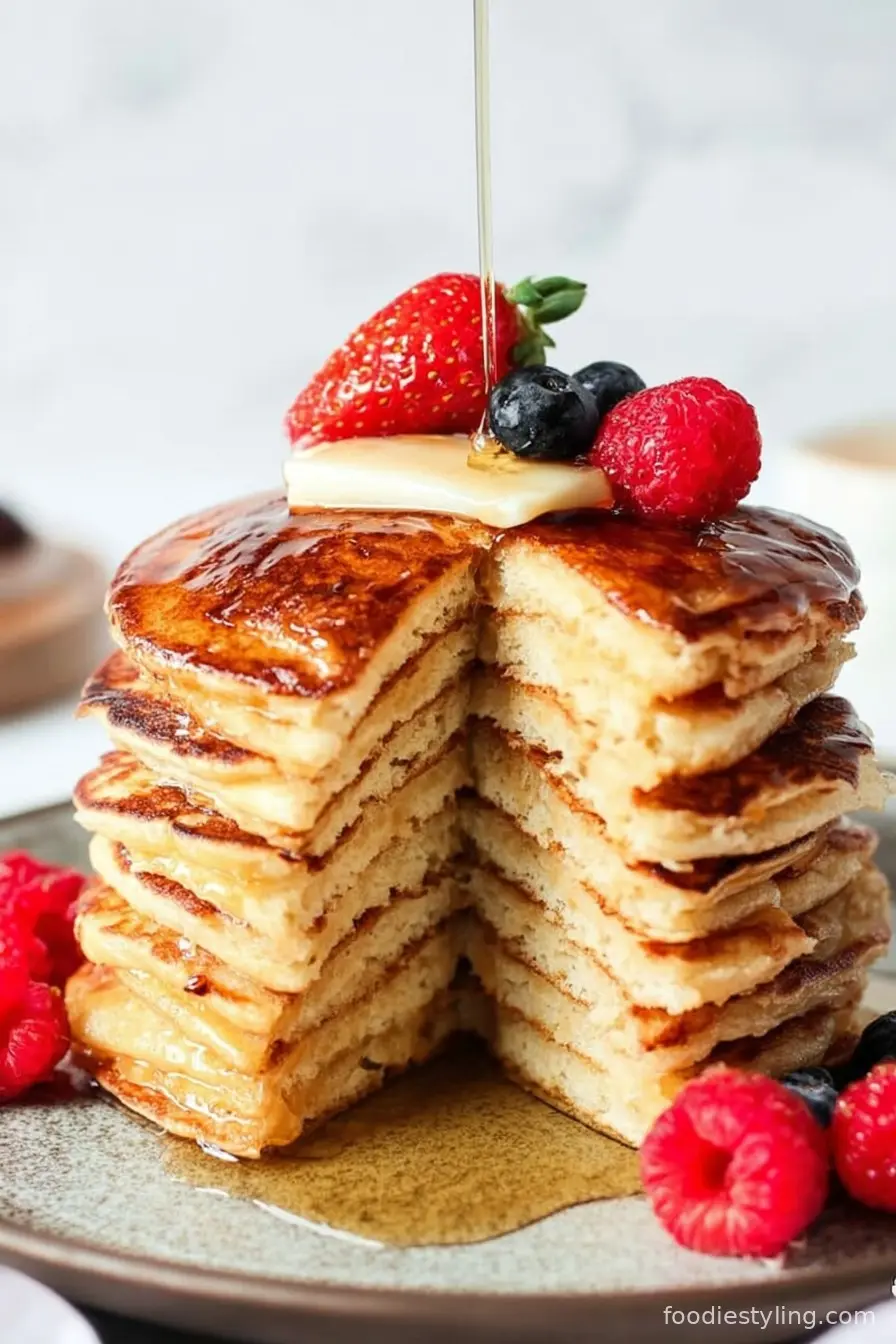
Pancakes have been a beloved breakfast staple across the globe, traditionally prepared with eggs for structure and fluffiness. However, the rise of dietary preferences and the need for allergen-friendly options have paved the way for delectable variations like eggless pancakes.
These pancakes deliver all the goodness of the classic breakfast treat without compromising on taste, texture, or nutrition. People often assume that without eggs, pancakes won’t be as fluffy or moist, but substituting eggs is easier than ever!
With carefully chosen ingredients, you can achieve a stack of golden, soft, tender pancakes that appeal to children and adults alike. Eggless pancakes are a boon for households where eggs may be in short supply or for those who avoid them due to dietary restrictions or ethical choices.
Beyond being an alternative, they showcase how inventive and adaptable cooking can be. Whether you are making them for a weekend brunch, a quick weekday breakfast, or a midnight snack, eggless pancakes rise to every occasion with ease and taste.
Step into the world of delicious breakfast possibilities with this detailed eggless pancakes recipe and discover a new favorite for your family table.
Ingredients
- 1 and ½ cups all-purpose flour
- 2 tablespoons granulated sugar
- 2 teaspoons baking powder
- ½ teaspoon baking soda
- ¼ teaspoon salt
- 1 and ¼ cups milk (dairy or plant-based)
- 1 tablespoon white vinegar or lemon juice
- 2 tablespoons vegetable oil or melted butter
- 1 teaspoon vanilla extract
- Optional: ¼ cup chocolate chips, blueberries, or chopped nuts
Instructions
- In a small bowl, combine the milk and vinegar or lemon juice. Stir and let sit for 5 minutes to create homemade buttermilk.
- In a large mixing bowl, sift together the flour, sugar, baking powder, baking soda, and salt.
- Pour the homemade buttermilk, oil (or melted butter), and vanilla extract into the dry ingredients.
- Mix gently with a whisk or spatula until just combined. It’s okay if the batter is slightly lumpy; do not over-mix.
- If desired, fold in chocolate chips, blueberries, or nuts at this stage.
- Heat a non-stick skillet or griddle over medium heat. Lightly grease with oil or butter.
- Pour ¼ cup of batter onto the skillet for each pancake. Let cook until small bubbles form on the surface and edges begin to look set, about 2-3 minutes.
- Flip each pancake and cook for another 1-2 minutes, or until golden brown on the other side.
- Remove pancakes and keep warm. Repeat with remaining batter, greasing the skillet as needed.
- Serve warm with your favorite toppings such as maple syrup, fruit, nut butter, or powdered sugar.
Nutritional Information
Eggless pancakes are a nutritious option for breakfast or snacks, and their nutritional profile can be customized based on the ingredients used.
A typical serving of three eggless pancakes (prepared with all-purpose flour and regular milk, without added toppings) contains approximately 280-320 calories, 7-10 grams of protein, 7-9 grams of fat, and 48-52 grams of carbohydrates. The absence of eggs reduces cholesterol content, making these pancakes heart-friendly for those watching their intake.
By using plant-based milk, you can make these pancakes fully vegan, which further reduces saturated fat and increases dietary fiber, especially if you opt for flours like whole wheat or oat flour.
Adding fruits such as bananas or blueberries increases vitamin and antioxidant content, while toppings like chia seeds or nut butters boost healthy fats and protein.
For those monitoring sugar, the recipe's minimal sugar content ensures a modest glycemic impact, and you can substitute sugar with stevia or coconut sugar for a lower-sugar version.
These pancakes are filling and offer a balanced distribution of macronutrients, especially when paired with fresh fruit or yogurt for added fiber and probiotics. The recipe allows for easy adaptation to meet dietary restrictions or needs, making eggless pancakes a wholesome and satisfying choice for all ages.
Wine and Beverage Pairings
Eggless pancakes pair beautifully with a variety of beverages to enhance your breakfast or brunch experience. For a classic touch, serve them alongside a hot cup of freshly brewed coffee or a creamy cappuccino for a robust start to the day.
If you prefer tea, opt for a chai latte or a fruity herbal blend that complements the light sweetness of the pancakes. For kids or those avoiding caffeine, a glass of fresh orange juice, warm cocoa, or a plant-based vanilla milkshake works wonders.
If you're serving these pancakes for brunch, consider sparkling apple cider or a mimosa for a celebratory touch. Choose your favorite beverage to complete this satisfying meal.
Cooking Tips and Variations
For the fluffiest eggless pancakes, avoid over-mixing the batter, as this can result in dense pancakes. Let the batter rest for a few minutes before pouring onto the griddle to allow the leavening agents to work, enhancing rise.
Substitute part or all of the all-purpose flour with whole wheat flour or oat flour for a fiber boost and a slightly nutty flavor. Try sweetening the batter naturally with mashed bananas or applesauce for extra moisture and a hint of natural sweetness.
You can make these pancakes fully vegan by using a plant-based milk such as almond, soy, or oat milk. Experiment with add-ins like mini chocolate chips, fresh berries, or even grated zucchini or carrots for a nutritional upgrade.
If you prefer thinner pancakes, simply add a splash more milk to the batter. For crispier edges, drizzle a little extra oil onto the skillet before pouring the batter. Test your skillet's heat by sprinkling a few drops of water; if they sizzle and evaporate immediately, you're ready to cook.
To prevent sticking, always use a non-stick surface or a well-seasoned cast iron skillet. For a fun twist, swirl in some cinnamon or nutmeg for warming spice, or fold a spoonful of cocoa powder for a chocolate variation.
Serve with diverse toppings such as fruit compote, Greek yogurt, nuts, or even a dollop of whipped coconut cream for a delightful treat.

Serving Suggestions
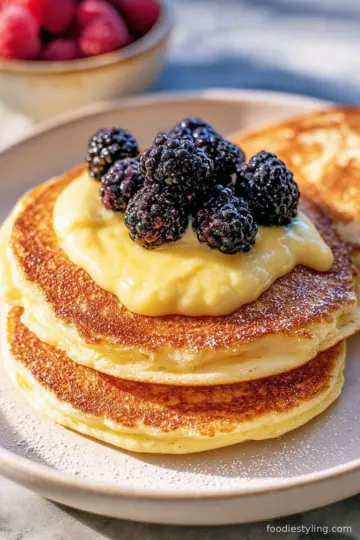
Serving eggless pancakes can be an opportunity to be creative and tailor the meal to suit different preferences and occasions. Stack three to five hot pancakes on a plate, then drizzle with pure maple syrup for a timeless and universally loved flavor pairing.
For those looking to elevate the experience, serve with a side of seasonal fresh fruit such as strawberries, blueberries, or sliced bananas to add color, texture, and natural sweetness. Include a dollop of lightly sweetened whipped cream or a scoop of Greek yogurt for creamy contrast and added protein.
For hearty appetites, offer a spread of nut butters (such as almond, peanut, or sunflower seed) which bring healthy fats and a rich nutty taste.
If you want to impress during brunch, arrange toppings like toasted pecans, honey, and a sprinkle of cinnamon in tiny bowls so guests can customize their pancakes. A dusting of powdered sugar adds a beautiful finish and a gentle sweetness.
To make breakfast exciting for kids, create fun designs with cut fruits or shape the pancakes using cookie cutters. These eggless pancakes also pair well with savory additions like a side of roasted breakfast potatoes or sausage links if your meal isn’t strictly vegetarian.
Always serve the pancakes warm for the best texture, and if preparing for a group, keep cooked pancakes in a low oven (around 200°F/90°C) until ready to serve so everyone enjoys fresh, fluffy stacks.
Health Benefits
Choosing eggless pancakes offers several health benefits, making them an excellent choice for a range of dietary needs. By omitting eggs, these pancakes are lower in cholesterol, which contributes to a heart-healthy diet and is suitable for individuals with cardiovascular concerns.
The ability to use plant-based milk and oils means the recipe can easily be made dairy-free and vegan, accommodating those with lactose intolerance or dairy allergies. Using whole grain flours increases fiber content, aiding in digestion and promoting a feeling of fullness which can help with weight management.
Eggless pancakes are less likely to cause allergic reactions, making them safe for people with egg allergies, which are especially common in children. By controlling the sugar and fat levels in the recipe, you can further tailor it to support stable blood sugar and energy levels.
Including fruit and nut toppings adds vitamins, antioxidants, and healthy fats. Overall, eggless pancakes are a wholesome, inclusive option that allows everyone at the table to enjoy a nourishing breakfast while supporting specific health goals.
Frequently Asked Questions
Eggless pancakes remain fluffy by using a combination of baking powder and baking soda, in addition to an acid like vinegar or lemon juice, which reacts with the leaveners to create air bubbles that make the pancakes rise.
Yes, you can make eggless pancakes gluten-free by substituting the all-purpose flour with a gluten-free blend or oat flour. Make sure the baking powder and other ingredients are certified gluten-free if needed.
Almond milk, soy milk, oat milk, and coconut milk are all excellent plant-based alternatives. Choose unsweetened varieties for more control over the pancake's flavor and sweetness.
It is best to prepare the batter just before cooking to maximize rise and fluffiness. If needed, combine dry and wet ingredients separately and mix them just before you’re ready to cook.
Popular toppings include maple syrup, fruit preserves, fresh berries, bananas, nut butters, chocolate chips, powdered sugar, and whipped cream. Savory options like dairy-free cream cheese and sautéed vegetables are also delicious.
Eggless pancakes are proof that you do not need eggs to enjoy a delicious, fluffy, and satisfying breakfast treat. This versatile recipe is easy to prepare, budget-friendly, and adaptable for a range of dietary needs and flavor preferences. Whether you are interested in reducing your cholesterol, have an egg allergy, or are simply short on ingredients, eggless pancakes make breakfast stress-free and enjoyable for everyone. Serve them with your favorite toppings, experiment with add-ins, and share the joy of homemade pancakes with friends and family. With this comprehensive guide, your eggless pancakes will turn out perfect every time, inviting everyone to gather around the table for a stack of warmth and deliciousness.
Ingredients
- 1 and ½ cups all-purpose flour
- 2 tablespoons granulated sugar
- 2 teaspoons baking powder
- ½ teaspoon baking soda
- ¼ teaspoon salt
- 1 and ¼ cups milk (dairy or plant-based)
- 1 tablespoon white vinegar or lemon juice
- 2 tablespoons vegetable oil or melted butter
- 1 teaspoon vanilla extract
- Optional: ¼ cup chocolate chips, blueberries, or chopped nuts
Instructions
-
1In a small bowl, combine the milk and vinegar or lemon juice. Stir and let sit for 5 minutes to create homemade buttermilk.
-
2In a large mixing bowl, sift together the flour, sugar, baking powder, baking soda, and salt.
-
3Pour the homemade buttermilk, oil (or melted butter), and vanilla extract into the dry ingredients.
-
4Mix gently with a whisk or spatula until just combined. It’s okay if the batter is slightly lumpy; do not over-mix.
-
5If desired, fold in chocolate chips, blueberries, or nuts at this stage.
-
6Heat a non-stick skillet or griddle over medium heat. Lightly grease with oil or butter.
-
7Pour ¼ cup of batter onto the skillet for each pancake. Let cook until small bubbles form on the surface and edges begin to look set, about 2-3 minutes.
-
8Flip each pancake and cook for another 1-2 minutes, or until golden brown on the other side.
-
9Remove pancakes and keep warm. Repeat with remaining batter, greasing the skillet as needed.
-
10Serve warm with your favorite toppings such as maple syrup, fruit, nut butter, or powdered sugar.
Approximate Information for One Serving
Nutrition Disclaimers
Number of total servings shown is approximate. Actual number of servings will depend on your preferred portion sizes.
Nutritional values shown are general guidelines and reflect information for 1 serving using the ingredients listed, not including any optional ingredients. Actual macros may vary slightly depending on specific brands and types of ingredients used.
To determine the weight of one serving, prepare the recipe as instructed. Weigh the finished recipe, then divide the weight of the finished recipe (not including the weight of the container the food is in) by the desired number of servings. Result will be the weight of one serving.
Did you make this recipe?
Please consider Pinning it!