
Sausage And Cheese Bread is a hearty, savory treat that elegantly combines the rich flavors of melted cheese with the satisfying bite of seasoned sausage, all enveloped within a soft, golden bread crust.
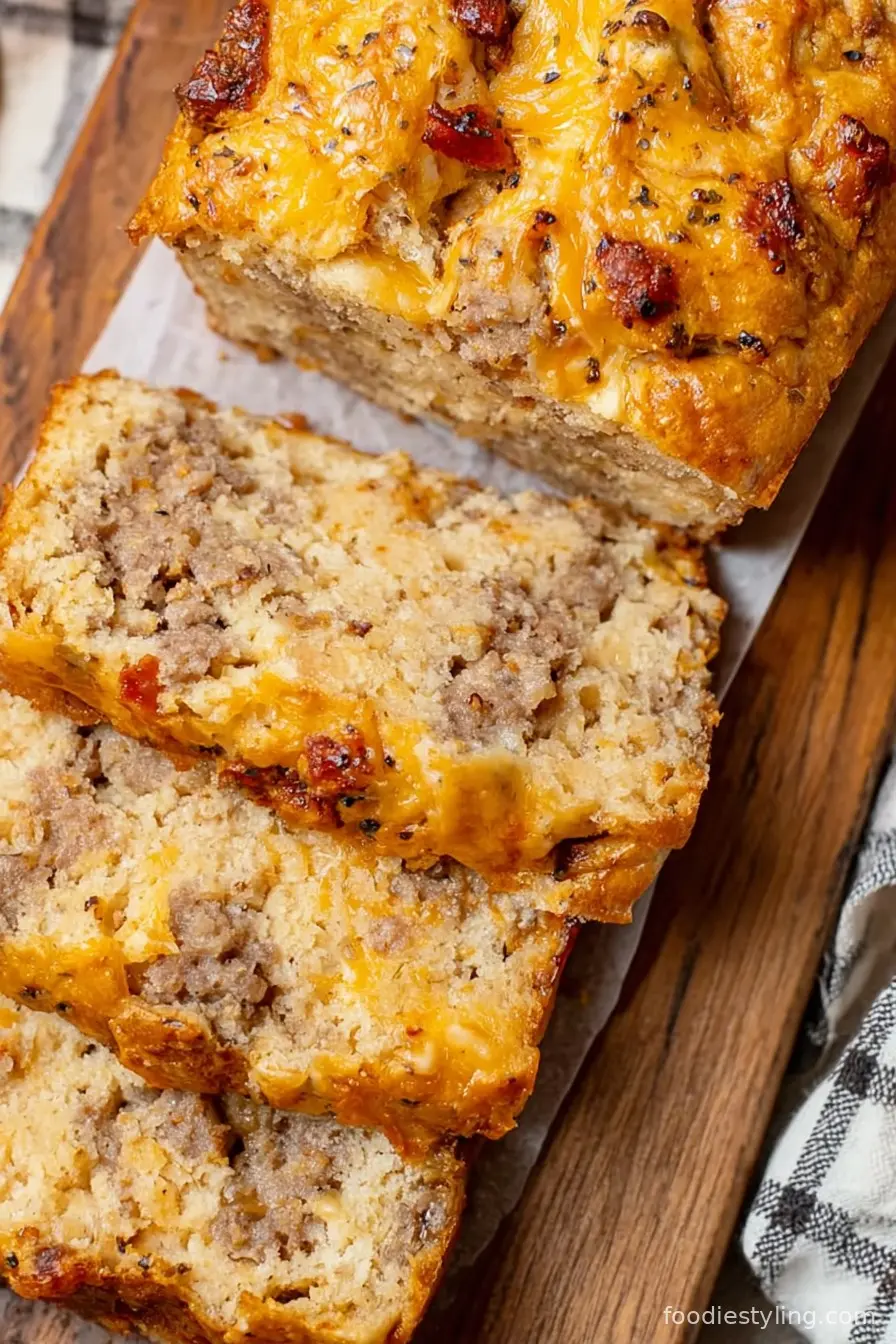
This comfort food classic has roots in European culinary traditions, where stuffed breads have long been a favorite for their portability and ability to showcase regional meats and cheeses.
Over the years, this recipe has evolved into a beloved staple in many households, making appearances at brunches, casual dinners, family gatherings, and potlucks. The appeal of Sausage And Cheese Bread lies not only in its delightful flavor but also in its versatility.
With endless combinations of cheeses, sausages, herbs, and dough types, this bread can be tailored to suit a wide array of taste preferences and dietary needs.
Whether enjoyed as a main course, a delectable appetizer, or even a savory breakfast, Sausage And Cheese Bread impresses with its deeply flavorful filling, crispy crust, and irresistible aroma that fills the kitchen as it bakes.
This recipe is both accessible for beginners and engaging for experienced bakers seeking to create something truly special.
In this guide, you’ll discover expert tips, serving ideas, nutritional insights, and creative variations to help you perfect your own version of Sausage And Cheese Bread, ensuring it becomes a cherished favorite in your cooking repertoire.
Ingredients
- 3 cups all-purpose flour
- 1 packet (2 ¼ teaspoons) active dry yeast
- 1 cup warm water (about 110°F/43°C)
- 2 tablespoons olive oil
- 1 tablespoon sugar
- 1 teaspoon salt
- 1 pound (450g) Italian sausage, removed from casings
- 2 cups shredded mozzarella cheese
- 1 cup grated cheddar cheese
- ½ cup grated Parmesan cheese
- ¼ cup chopped fresh parsley
- 1 teaspoon dried oregano
- ½ teaspoon crushed red pepper flakes (optional)
- 1 egg (for egg wash)
- 1 tablespoon water (for egg wash)
- Extra olive oil, for brushing
Instructions
- In a large mixing bowl, combine warm water, sugar, and yeast. Stir gently and let sit for 5–10 minutes, or until frothy.
- Add olive oil and salt to the yeast mixture. Gradually stir in the flour, one cup at a time, until a dough forms.
- Transfer the dough to a lightly floured surface and knead for about 8–10 minutes, until smooth and elastic.
- Place the kneaded dough in an oiled bowl. Cover with a clean towel and let rise in a warm place for about 1 hour, or until doubled in size.
- While the dough is rising, cook the Italian sausage in a skillet over medium heat, breaking it into small pieces, until browned and cooked through. Drain excess fat and let the sausage cool.
- In a medium bowl, combine the cooled sausage, mozzarella, cheddar, Parmesan, parsley, oregano, and red pepper flakes. Mix until evenly incorporated.
- Preheat your oven to 375°F (190°C). Line a baking sheet with parchment paper or lightly oil it.
- Punch down the risen dough to release air. On a lightly floured surface, roll out the dough into a large rectangle, about 10x16 inches.
- Spread the sausage and cheese filling evenly over the dough, leaving a 1-inch border along the edges.
- Starting from the long side, tightly roll up the dough into a log, pinching the seam and ends to seal.
- Place the loaf seam-side down on the prepared baking sheet. Mix the egg and tablespoon of water to create an egg wash and brush it over the loaf's surface.
- Make a few shallow diagonal slashes across the top of the loaf with a sharp knife for ventilation.
- Bake in the preheated oven for 30–35 minutes, or until the bread is golden brown and sounds hollow when tapped.
- Remove from oven and brush the top lightly with olive oil for extra sheen. Allow the bread to cool for at least 10 minutes before slicing and serving.
Nutritional Information
Sausage And Cheese Bread provides a satisfying blend of protein, carbohydrates, and fats, making it a filling option for any meal. A single slice (one-twelfth of the loaf) contains approximately 250–300 calories, with the majority of energy supplied by the dough’s carbohydrates and the generous fillings.
Each serving offers around 12 grams of protein, largely from the sausage and cheeses, which is beneficial for muscle repair and satiety. The fats present are split between animal sources (from sausage and cheese) and healthier plant-based fats (from olive oil), totaling around 13–16 grams per serving.
While the saturated fats and sodium can be moderately high due to the cheese and sausage, these can be adjusted by selecting lower-fat cheeses and leaner sausage varieties. The dish also contains important minerals such as calcium, thanks to the cheese, and iron, found in both meat and enriched flour.
There is a modest amount of dietary fiber, particularly if you incorporate whole grain flour or add vegetables like spinach or peppers. Cooking from scratch also allows for greater control over ingredient quality and quantity, supporting more health-conscious decisions.
For those monitoring calories or sodium intake, consider enjoying smaller portions alongside a fresh salad or incorporating more vegetables into the filling. Sausage And Cheese Bread is best consumed in moderation as part of a balanced diet.
Its nutrient density can be further improved by opting for whole wheat flour, reduced sodium sausage, or lower-fat cheese blends, making it suitable even for those on a heart-healthy plan.

Wine and Beverage Pairings
Sausage And Cheese Bread pairs beautifully with a wide array of beverages. For a wine option, a medium-bodied red such as Chianti or Merlot complements the savory sausage and rich cheese flavors, while a refreshing white like Pinot Grigio adds brightness.
Craft beer enthusiasts will enjoy this bread with a malty amber ale or a classic pilsner, as these beers contrast the saltiness and fat in the bread for a balanced flavor experience.
For non-alcoholic options, serve with sparkling apple cider, herbal iced tea, or a tangy lemonade, which cut through richness and cleanse the palate. If enjoyed during brunch, a mimosa or homemade Bloody Mary makes for a festive companion.
Cooking Tips and Variations
Creating the perfect Sausage And Cheese Bread begins with choosing fresh, high-quality ingredients; flavorful sausage and good melting cheese make a noticeable difference.
For a crispier crust, bake your loaf on a preheated baking stone or use steam during the first few minutes of baking by placing a pan of hot water in the oven.
Don’t overfill the bread, as excessive filling can make rolling difficult and may cause the bread to burst while baking. You can easily adapt the core recipe to suit your tastes: try swapping Italian sausage for spicy chorizo, smoked turkey, or even a plant-based alternative for a vegetarian version.
Add sautéed onions, peppers, or spinach to increase flavor complexity and add nutrients. If you love bold flavors, experiment with sharp provolone, asiago, or fontina cheeses in place of cheddar or mozzarella. For extra herbs, fresh basil or thyme pairs exceptionally well with the sausage.
If you prefer a softer texture, brush the bread with butter after baking instead of olive oil. When reheating leftovers, a quick stint in a moderate oven or toaster oven will restore the crust’s crispness and remelt the cheese, preserving that freshly baked taste and texture.
If you’re new to bread baking, don’t worry; this recipe is forgiving and yields delicious results even on the first try.
Serving Suggestions
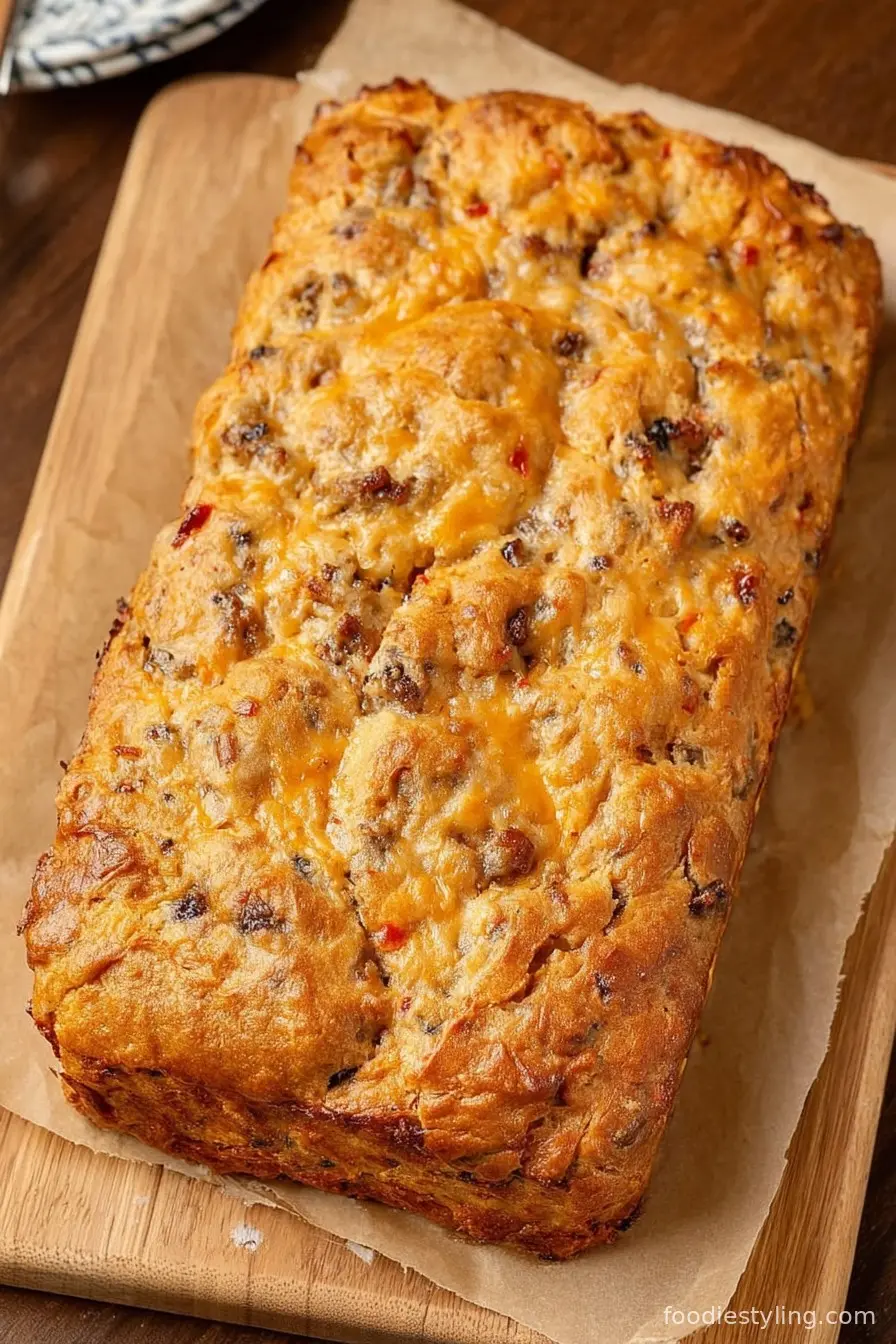
Sausage And Cheese Bread is a versatile centerpiece that shines whether served warm from the oven or at room temperature. For brunch, pair slices alongside scrambled eggs, roasted potatoes, or a vibrant fruit salad for a balanced morning spread.
As an appetizer or snack, cut the bread into bite-sized slices or sticks and arrange them on a platter with small bowls of marinara sauce, honey mustard, or a garlic-herb dip to encourage communal enjoyment.
When offering Sausage And Cheese Bread as a main course, serve with a fresh mixed green or Caesar salad to balance the bread’s richness with crisp, refreshing greens.
Alternately, make it part of a hearty dinner spread with roasted vegetables or a warming soup, such as tomato basil or creamy potato leek. This bread travels well, making it an excellent choice for picnics, potlucks, or game day gatherings—simply pre-slice and wrap for easy serving.
For holidays like Christmas or Easter, add Sausage And Cheese Bread to your brunch buffet for a guaranteed crowd-pleaser that satisfies both kids and adults. If you have leftovers, they make excellent next-day snacks and can be quickly reheated for a grab-and-go breakfast.
However you serve it, slice with a serrated knife for clean portions and enjoy the gooey, savory cheese and sausage filling in every bite.
Health Benefits
While Sausage And Cheese Bread is a rich and indulgent dish, it provides several health benefits when enjoyed in moderation and prepared thoughtfully. The ample protein from sausage and cheese aids in muscle building and maintenance, while also helping to keep you fuller for longer periods.
The inclusion of fresh herbs, such as parsley, offers antioxidants and vitamin K, and using olive oil in the dough supports heart health due to its monounsaturated fat content.
By selecting leaner varieties of sausage, low-fat cheeses, or incorporating turkey or chicken sausage, you can significantly reduce saturated fat and calorie content, making the bread more suitable for those monitoring their heart health and weight.
Using whole wheat flour instead of refined flour can increase dietary fiber intake, supporting digestive health and steady energy release. If you add vegetables like spinach or peppers, you boost the bread’s vitamin, mineral, and phytonutrient content.
Additionally, making Sausage And Cheese Bread at home allows you to control sodium levels, improving its suitability for people following a lower-salt diet. You can also tailor the portion sizes and pair with nutrient-rich salads or soups for a more balanced, wholesome meal.
As part of a diverse diet—especially one that emphasizes moderation and homemade preparation—Sausage And Cheese Bread can be a satisfying treat that fits within a healthy lifestyle.
Frequently Asked Questions
Yes, Sausage And Cheese Bread can be prepared ahead and refrigerated before baking for up to 12 hours. You can also bake, cool, and wrap it tightly to keep at room temperature for up to 2 days. Simply reheat slices in the oven or toaster oven before serving.
Absolutely. Once cooled, wrap the bread tightly in plastic wrap and foil before freezing. It can be stored for up to 2 months. Thaw overnight in the refrigerator and reheat in the oven to restore freshness.
Italian sausage (sweet or spicy) is traditional for Sausage And Cheese Bread, but chicken, turkey, or even plant-based alternatives can be used. Just ensure they're fully cooked and well seasoned before adding to the bread.
Yes, you can add sautéed onions, bell peppers, spinach, or mushrooms for extra flavor and nutrition. Be sure to cook and drain them thoroughly to avoid excess moisture in the bread.
You can substitute the all-purpose flour with a gluten-free flour blend suitable for yeast breads. Stick to a recipe designed for gluten-free baking to ensure the best rise and texture.
Sausage And Cheese Bread is a timeless recipe that brings together rich flavors, satisfying textures, and endless possibilities for customization. Whether you’re looking for a show-stopping brunch centerpiece, a comforting main course, or an irresistible appetizer, this bread delivers both taste and versatility. The included instructions and tips ensure bakers of any experience level can achieve golden, aromatic perfection every time. By selecting quality ingredients and making thoughtful substitutions and additions, you can tailor this bread to suit your family’s tastes and dietary needs. Try it for your next gathering, and enjoy the warm, savory embrace of fresh, homemade Sausage And Cheese Bread—certain to become a new favorite in your kitchen.
Ingredients
- 3 cups all-purpose flour
- 1 packet (2 ¼ teaspoons) active dry yeast
- 1 cup warm water (about 110°F/43°C)
- 2 tablespoons olive oil
- 1 tablespoon sugar
- 1 teaspoon salt
- 1 pound (450g) Italian sausage, removed from casings
- 2 cups shredded mozzarella cheese
- 1 cup grated cheddar cheese
- ½ cup grated Parmesan cheese
- ¼ cup chopped fresh parsley
- 1 teaspoon dried oregano
- ½ teaspoon crushed red pepper flakes (optional)
- 1 egg (for egg wash)
- 1 tablespoon water (for egg wash)
- Extra olive oil, for brushing
Instructions
-
1In a large mixing bowl, combine warm water, sugar, and yeast. Stir gently and let sit for 5–10 minutes, or until frothy.
-
2Add olive oil and salt to the yeast mixture. Gradually stir in the flour, one cup at a time, until a dough forms.
-
3Transfer the dough to a lightly floured surface and knead for about 8–10 minutes, until smooth and elastic.
-
4Place the kneaded dough in an oiled bowl. Cover with a clean towel and let rise in a warm place for about 1 hour, or until doubled in size.
-
5While the dough is rising, cook the Italian sausage in a skillet over medium heat, breaking it into small pieces, until browned and cooked through. Drain excess fat and let the sausage cool.
-
6In a medium bowl, combine the cooled sausage, mozzarella, cheddar, Parmesan, parsley, oregano, and red pepper flakes. Mix until evenly incorporated.
-
7Preheat your oven to 375°F (190°C). Line a baking sheet with parchment paper or lightly oil it.
-
8Punch down the risen dough to release air. On a lightly floured surface, roll out the dough into a large rectangle, about 10x16 inches.
-
9Spread the sausage and cheese filling evenly over the dough, leaving a 1-inch border along the edges.
-
10Starting from the long side, tightly roll up the dough into a log, pinching the seam and ends to seal.
-
11Place the loaf seam-side down on the prepared baking sheet. Mix the egg and tablespoon of water to create an egg wash and brush it over the loaf's surface.
-
12Make a few shallow diagonal slashes across the top of the loaf with a sharp knife for ventilation.
-
13Bake in the preheated oven for 30–35 minutes, or until the bread is golden brown and sounds hollow when tapped.
-
14Remove from oven and brush the top lightly with olive oil for extra sheen. Allow the bread to cool for at least 10 minutes before slicing and serving.
Approximate Information for One Serving
Nutrition Disclaimers
Number of total servings shown is approximate. Actual number of servings will depend on your preferred portion sizes.
Nutritional values shown are general guidelines and reflect information for 1 serving using the ingredients listed, not including any optional ingredients. Actual macros may vary slightly depending on specific brands and types of ingredients used.
To determine the weight of one serving, prepare the recipe as instructed. Weigh the finished recipe, then divide the weight of the finished recipe (not including the weight of the container the food is in) by the desired number of servings. Result will be the weight of one serving.
Did you make this recipe?
Please consider Pinning it!