The Maki Sushi Recipe is steeped in Japanese tradition and culinary artistry, offering a delightful way to experience the unique blend of flavors and textures that sushi is celebrated for worldwide.
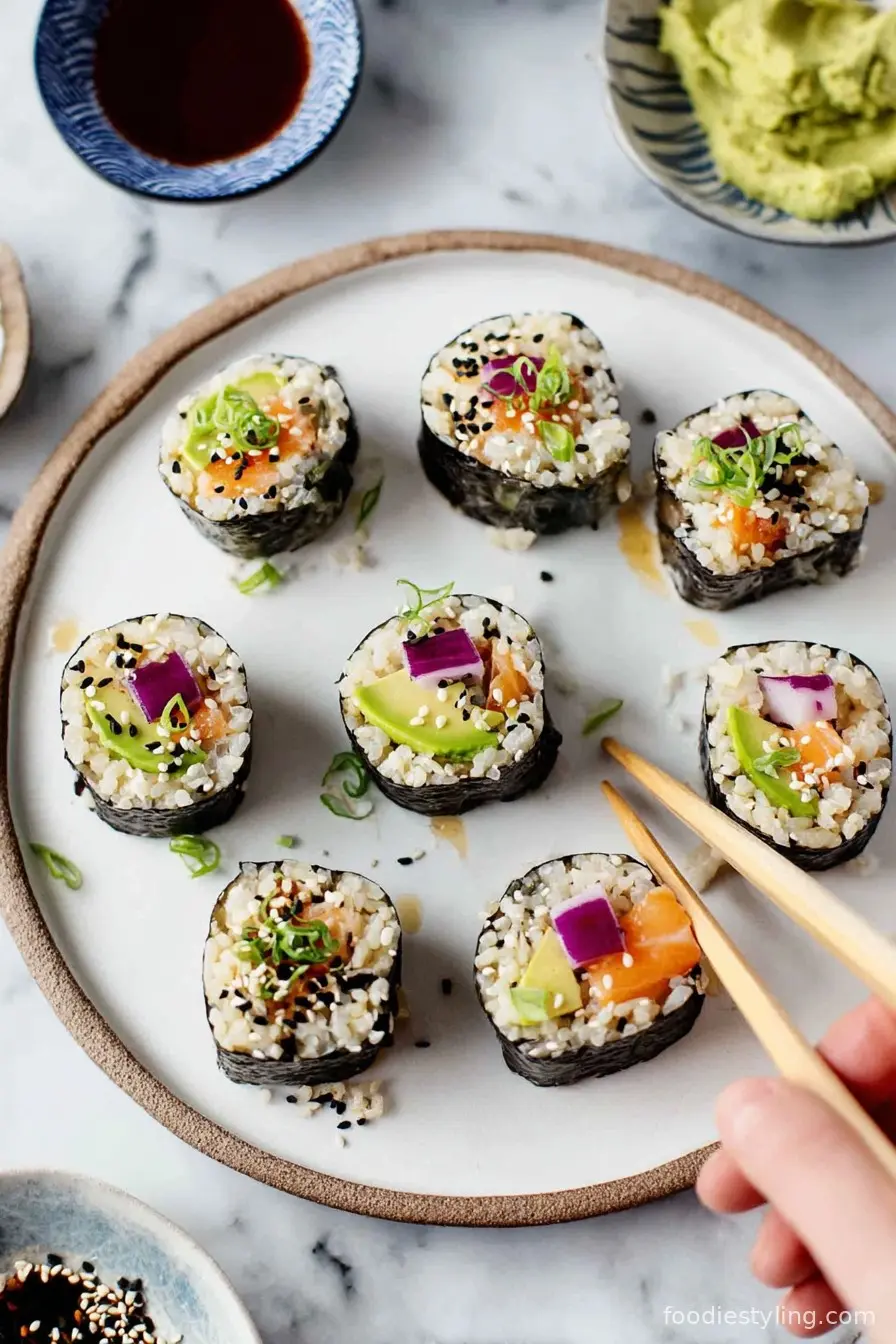
Maki sushi, also known as makizushi or sushi rolls, involves rolling sushi rice with nori (seaweed) and fresh fillings such as fish, vegetables, and sometimes cooked seafood or tofu.
Its origins trace back to the Edo period of Japan, where rolled sushi was both a means of preservation and a convenient, portable meal.
Over the centuries, maki sushi has evolved in both its fillings and presentation, ultimately becoming a symbol of Japanese cuisine and a favorite dish in restaurants around the globe.
If you are new to Japanese cooking or a seasoned sushi enthusiast, creating maki sushi at home is a rewarding and creative culinary experience. The process allows you to customize your ingredients according to personal preferences and dietary needs, making this Maki Sushi Recipe as versatile as it is delicious.
The ritual of preparing sushi rice, selecting the freshest fillings, and gently rolling each maki showcases the care and precision that defines Japanese cooking.
This guide will walk you step-by-step through everything you need to achieve perfect homemade sushi rolls, ensuring that your Maki Sushi Recipe results in beautiful, flavorful, and impressive rolls every time.
Whether for a casual family dinner, a special gathering, or simply to expand your kitchen repertoire, learning to master maki sushi is a journey into the heart of Japanese food culture.
Ingredients
- 2 cups Japanese short-grain sushi rice
- 2 ½ cups water
- 3 tablespoons rice vinegar
- 1 ½ tablespoons sugar
- 1 teaspoon salt
- 6 sheets nori (dried seaweed)
- 120g sushi-grade raw fish (tuna, salmon, or yellowtail, sliced into strips)
- 1 small cucumber, cut into thin strips
- 1 small avocado, peeled and sliced
- 1 small carrot, cut into thin julienne strips
- 2 tablespoons pickled radish (optional)
- Soy sauce, for serving
- Wasabi, for serving
- Pickled ginger, for serving
Instructions
- Rinse the sushi rice under cold water until the water runs clear. Drain well.
- Combine the rinsed rice and water in a rice cooker or heavy-bottomed pot. Cook according to the rice cooker's instructions or bring to a boil, then cover and simmer on low for 18-20 minutes.
- While the rice cooks, mix rice vinegar, sugar, and salt in a small saucepan. Warm over low heat, stirring until sugar and salt dissolve. Remove from heat and allow to cool.
- When the rice is finished, transfer it into a large shallow bowl or hangiri. Gently fold in the seasoned vinegar using a wooden spatula (shamoji), fanning the rice to help it cool and achieve shine.
- Lay a sheet of nori shiny side down on a bamboo sushi mat (makisu). With wet hands, take a handful of sushi rice and spread it evenly over the nori, leaving a 2cm border at the top edge.
- Arrange your choice of fillings (such as fish, cucumber, avocado, carrot, and pickled radish) in a line along the bottom third of the rice-covered nori.
- Lift the edge of the sushi mat closest to you and roll it tightly over the filling, pressing gently to shape the roll.
- Continue rolling until you reach the border. Use a little water to seal the edge.
- Let the roll rest, seam side down, for 1-2 minutes before slicing.
- Use a sharp, damp knife to slice the roll into 6-8 pieces.
- Repeat the process with remaining rice, nori, and fillings.
- Serve with soy sauce, wasabi, and pickled ginger.
Nutritional Information
Maki Sushi offers a balanced nutritional profile, making it a worthy addition to any meal plan that values both flavor and nourishment. Each classic sushi roll combines wholesome carbohydrates from seasoned sushi rice with lean protein from fresh fish or plant-based alternatives, creating a satiating dish.
The addition of vegetables such as cucumber, avocado, and carrots provides dietary fiber, vitamins, and essential minerals. The nori seaweed is a notable source of iodine, iron, and vitamin A, contributing to healthy thyroid function and immune support.
Depending on your choice of fillings, a typical maki roll (about 6-8 pieces) contains approximately 200 to 300 calories, with a healthy balance of macronutrients: around 5g of fat (mainly from avocado or oily fish), 30-40g of carbohydrates, and 8-12g of protein.
Homemade maki is lower in sodium than restaurant varieties when you manage the use of soy sauce. Opting for brown rice can boost the fiber and magnesium count, while filling choices like tofu or grilled chicken offer alternative protein options.
Overall, the Maki Sushi Recipe enables you to control the freshness, ingredients, and nutritional value, allowing for a customizable, health-forward meal tailored to any dietary preference.
Wine and Beverage Pairings
When enjoying a Maki Sushi Recipe, pairing it with an appropriate beverage elevates the dining experience. Traditional Japanese green tea (sencha or genmaicha) offers a fresh, clean taste that complements the delicate flavors of sushi.
If you prefer alcoholic beverages, a crisp, cold sake such as Junmai or Ginjo enhances the subtle umami of the rice and fish. For wine enthusiasts, a dry Riesling, Sauvignon Blanc, or sparkling wine like Prosecco harmonizes with the briny nori and rich fish without overpowering the palate.
Those seeking non-alcoholic options can choose sparkling water with a squeeze of citrus or kombucha, which offers both refreshment and a gentle palate cleanser.
Cooking Tips and Variations
Creating a perfect Maki Sushi Recipe at home requires a blend of patience, precision, and practice. Begin with proper rice preparation; thoroughly rinse the rice to remove excess starch and use dedicated sushi rice for the ideal sticky, slightly tangy texture.
Always fan the cooked rice while mixing in the vinegar seasoning; this cools the grains swiftly and gives them a glossy finish. When spreading rice on the nori, use moist hands to prevent sticking, but avoid over-wetting to keep the rice from becoming mushy.
Fill your rolls modestly; too many fillings make rolling difficult and can cause the nori to tear. Use a sharp knife, wiped clean and dampened between each cut, to achieve clean slices. Experiment with fillings to keep the Maki Sushi Recipe exciting and within dietary guidelines.
Try grilled eel, tempura shrimp, tofu, or roasted vegetables for creative variations. Consider using brown sushi rice for more fiber. Inside-out rolls (uramaki), where rice is on the outside, are another fun challenge once you master the basics.
Seasoning your fillings with a touch of wasabi or pickled ginger inside the roll layers more flavor. Finally, ensure all raw fish is sushi-grade and handled with the utmost care to guarantee food safety.
With these tips and a bit of practice, your homemade maki sushi will rival any restaurant's offering.

Serving Suggestions
Serving maki sushi allows you to create an elegant and inviting dining experience at home. Arrange the sliced rolls artfully on a large, flat plate or wooden sushi platter, ensuring each piece is visible and accessible.
For visual appeal, mix and match different fillings and colors in the arrangement, using fresh herbs or edible flowers to accentuate the presentation.
Provide small dipping bowls filled with soy sauce at each place setting and include a dab of wasabi and a few slices of pickled ginger on the side. This trio is essential for the full sushi experience, cleansing your palate between different rolls and adding bursts of flavor as desired.
To truly impress guests or family members, accompany the Maki Sushi Recipe with traditional Japanese sides such as miso soup, edamame, or seaweed salad. A well-prepared platter is perfect for celebrations, dinner parties, or sushi nights, encouraging communal dining and conversation.
Offer chopsticks or let diners use their hands, which is fully acceptable in sushi etiquette. For larger gatherings, turn sushi rolling into a fun group activity, allowing everyone to personalize their rolls.
Whether served as an appetizer, light meal, or main dish, the presentation and accompanying garnishes can elevate your homemade maki sushi into an unforgettable culinary experience.
Health Benefits
One of the appealing qualities of the Maki Sushi Recipe is its potential health benefits, largely stemming from the use of fresh, whole ingredients and the innate balance between carbohydrates, lean protein, and vegetables.
Sushi rice provides energy-sustaining carbohydrates, while the seaweed (nori) is packed with essential nutrients like iodine, iron, and vitamins A and C. The inclusion of fish such as tuna or salmon adds heart-healthy omega-3 fatty acids, supporting cardiovascular health and cognitive function.
Avocado brings healthy monounsaturated fats and potassium, further promoting heart health and helping to regulate blood pressure. Vegetable fillings like cucumber and carrot contribute dietary fiber and antioxidants, aiding digestion and immune function, while pickled radish can add probiotic benefits.
Homemade maki also gives you control over portion sizes and sodium intake by moderating soy sauce and choosing fillings that best suit individual dietary needs. Choosing brown rice or adding more vegetable fillings can further boost fiber intake and make this sushi even more wholesome.
In summary, the Maki Sushi Recipe offers a well-rounded meal packed with beneficial nutrients, making it a smart, nourishing option for a health-conscious diet.
Frequently Asked Questions
Japanese short-grain sushi rice is ideal due to its sticky texture and ability to absorb the seasoned vinegar. Avoid long-grain rice, as it lacks the necessary stickiness for rolling.
Absolutely. Replace fish with a variety of fresh vegetables such as avocado, cucumber, carrot, and pickled radish, or consider marinated tofu and roasted sweet potato for a flavorful plant-based twist.
A bamboo sushi mat makes rolling and shaping much easier and yields neater results, but in a pinch, a clean kitchen towel with plastic wrap can serve as a substitute if needed.
Always purchase 'sushi-grade' fish from a reputable market, ensure it is kept chilled, and consume it as soon as possible after purchase to minimize health risks.
Homemade maki sushi is best enjoyed immediately, but it can be stored tightly wrapped in the refrigerator for up to 24 hours. Note that the rice may harden and the texture may change over time.
Mastering the Maki Sushi Recipe at home introduces you to a world of culinary creativity and refined taste. Not only does homemade sushi allow for flexibility with ingredients and flavors, but it also empowers you to present a healthful, visually striking meal that will impress friends and family. With attention to rice preparation, filling choices, and rolling techniques, you can consistently achieve sushi rolls rivaling those in the best restaurants. Remember that practice and patience are key to refining your skills. Enjoy the process of exploring new flavors and techniques, and make every sushi gathering an occasion to remember. The Maki Sushi Recipe is not just a meal; it’s a celebration of Japanese tradition and the artistry of food.
Ingredients
- 2 cups Japanese short-grain sushi rice
- 2 ½ cups water
- 3 tablespoons rice vinegar
- 1 ½ tablespoons sugar
- 1 teaspoon salt
- 6 sheets nori (dried seaweed)
- 120g sushi-grade raw fish (tuna, salmon, or yellowtail, sliced into strips)
- 1 small cucumber, cut into thin strips
- 1 small avocado, peeled and sliced
- 1 small carrot, cut into thin julienne strips
- 2 tablespoons pickled radish (optional)
- Soy sauce, for serving
- Wasabi, for serving
- Pickled ginger, for serving
Instructions
-
1Rinse the sushi rice under cold water until the water runs clear. Drain well.
-
2Combine the rinsed rice and water in a rice cooker or heavy-bottomed pot. Cook according to the rice cooker's instructions or bring to a boil, then cover and simmer on low for 18-20 minutes.
-
3While the rice cooks, mix rice vinegar, sugar, and salt in a small saucepan. Warm over low heat, stirring until sugar and salt dissolve. Remove from heat and allow to cool.
-
4When the rice is finished, transfer it into a large shallow bowl or hangiri. Gently fold in the seasoned vinegar using a wooden spatula (shamoji), fanning the rice to help it cool and achieve shine.
-
5Lay a sheet of nori shiny side down on a bamboo sushi mat (makisu). With wet hands, take a handful of sushi rice and spread it evenly over the nori, leaving a 2cm border at the top edge.
-
6Arrange your choice of fillings (such as fish, cucumber, avocado, carrot, and pickled radish) in a line along the bottom third of the rice-covered nori.
-
7Lift the edge of the sushi mat closest to you and roll it tightly over the filling, pressing gently to shape the roll.
-
8Continue rolling until you reach the border. Use a little water to seal the edge.
-
9Let the roll rest, seam side down, for 1-2 minutes before slicing.
-
10Use a sharp, damp knife to slice the roll into 6-8 pieces.
-
11Repeat the process with remaining rice, nori, and fillings.
-
12Serve with soy sauce, wasabi, and pickled ginger.
Approximate Information for One Serving
Nutrition Disclaimers
Number of total servings shown is approximate. Actual number of servings will depend on your preferred portion sizes.
Nutritional values shown are general guidelines and reflect information for 1 serving using the ingredients listed, not including any optional ingredients. Actual macros may vary slightly depending on specific brands and types of ingredients used.
To determine the weight of one serving, prepare the recipe as instructed. Weigh the finished recipe, then divide the weight of the finished recipe (not including the weight of the container the food is in) by the desired number of servings. Result will be the weight of one serving.
Did you make this recipe?
Please consider Pinning it!