
Greek cuisine is renowned for its vibrant flavors, aromatic herbs, and fresh ingredients, and nothing exemplifies this better than a classic Greek Chicken Marinade.
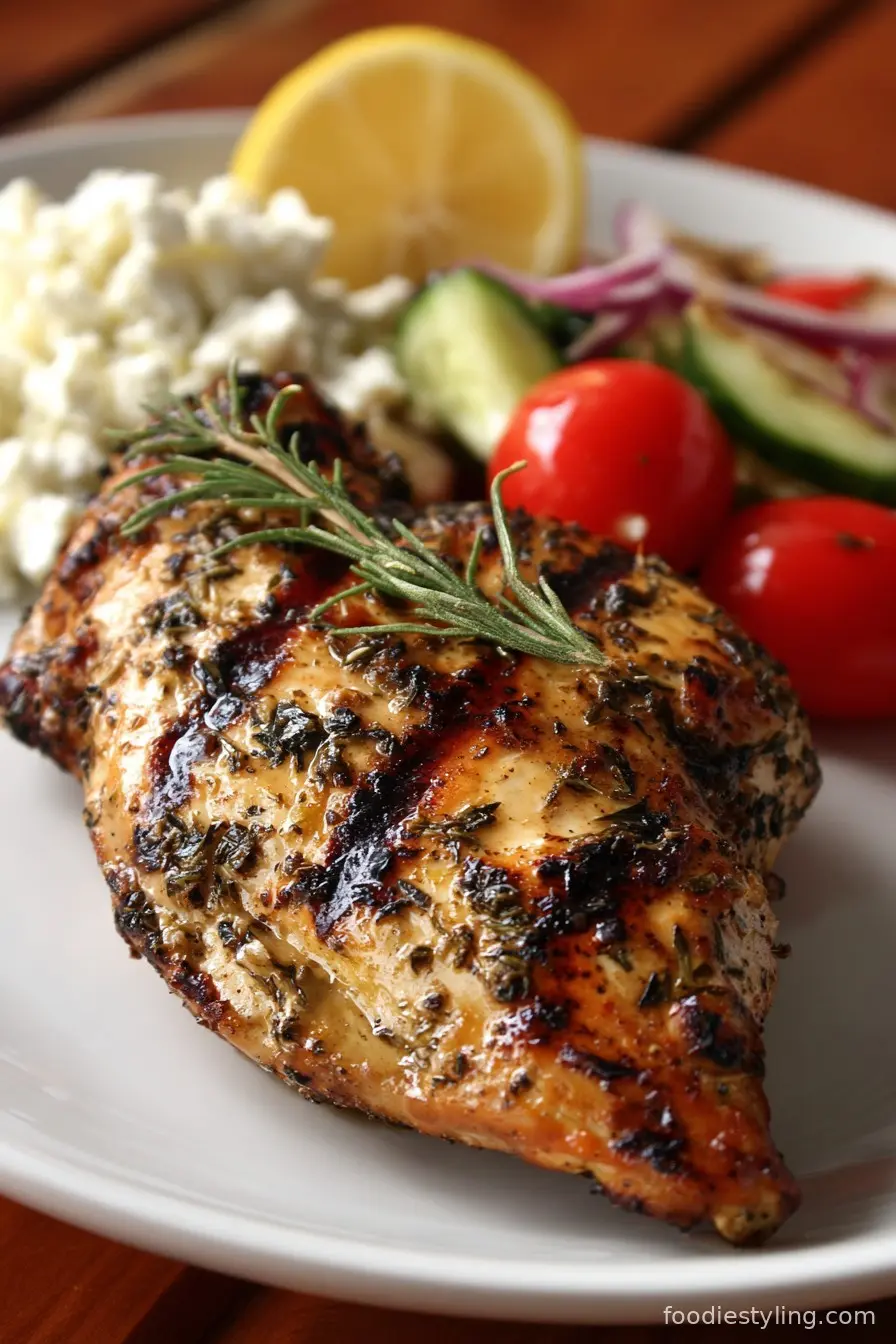
This culinary masterpiece combines the zestiness of fresh lemons, the subtle sweetness of honey, and a medley of Greek herbs, creating a delicious and versatile way to flavor chicken.
The Greek Chicken Marinade is deeply rooted in the rich tapestry of Mediterranean culinary tradition, where the use of olive oil, garlic, and robust herbs like oregano, parsley, and thyme date back centuries.
Ancient Greeks perfected the art of marinating meats to tenderize and infuse them with taste, enhancing not just flavor but also the nutritional profile of their meals. Today, home cooks all around the world embrace the Greek Chicken Marinade for its simplicity, adaptability, and crowd-pleasing results.
Whether you are preparing for a summer barbecue or a cozy family dinner, this marinade brings the sunshine and taste of Greece right to your table. In this recipe guide, you'll discover how easy it is to achieve golden, succulent grilled chicken loaded with bold Greek flavor.
Follow along for an authentic recipe, expert tips, and serving inspiration that will transform your next meal into a Mediterranean feast.
Ingredients
- 1-½ pounds boneless, skinless chicken breasts (2–3 breasts) or thighs
- 1 tablespoon honey
- 1 teaspoon dried oregano
- 3 tablespoons chopped fresh herbs (such as parsley, oregano, and thyme)
- 1-½ tablespoons minced garlic
- 2 large lemons
- ¼ cup olive oil
- 1 teaspoon salt
- ½ teaspoon pepper
- Serving suggestions (see tips section)
Instructions
- Start by preparing the chicken: Use a sharp knife to slice each chicken breast horizontally, creating thinner fillets. This not only helps the chicken cook faster and more evenly, but also allows the marinade to thoroughly penetrate the meat. Place each piece between two sheets of plastic wrap and pound lightly with a meat mallet or the bottom of a sturdy pan until they reach a consistent thickness. Once done, pat the chicken dry with paper towels and transfer them to a large resealable plastic bag, ensuring enough room for each piece to receive the marinade.
- Next, zest both lemons to yield about one teaspoon of finely grated zest, and then juice them to obtain approximately a quarter cup of fresh lemon juice. In a medium mixing bowl, combine the lemon juice and zest with the honey, dried oregano, chopped fresh herbs, minced garlic, olive oil, salt, and black pepper. Whisk everything until thoroughly blended. Before marinating the chicken, set aside two tablespoons of the prepared marinade in a small container, cover, and store it in the refrigerator for brushing over the cooked chicken later.
- Pour the remaining marinade over the chicken inside the resealable bag. Seal the bag securely, removing as much excess air as possible so the marinade surrounds the chicken. Turn the bag over gently a few times to coat each piece, then use your hands to massage the marinade into the meat without tearing the bag. Lay the bag flat in the refrigerator and let the chicken marinate for at least 30 minutes, but no more than two hours, to preserve the perfect texture without over-tenderizing.
- When ready to cook, preheat your grill to a medium-high heat, aiming for about 400°F. Once heated, oil the grill grates lightly by dipping a folded paper towel in vegetable oil and rubbing it over the grates with tongs, or by quickly spraying with a non-stick cooking spray. Remove each piece of chicken from the marinade, allowing any excess to drip off. Discard any leftover marinade left in the bag. Place the chicken directly on the hot grill grates. Grill each side for three to four minutes, flipping only once, until the chicken has developed desirable grill marks and is cooked through. The juices should run clear and the internal temperature measured with an instant-read thermometer should register 160°F, as the chicken will finish cooking from carryover heat once removed from the grill.
- Transfer the freshly grilled chicken to a clean plate or platter. Immediately brush the tops with the reserved marinade you set aside earlier; this step adds an extra punch of zesty flavor and gleaming finish to your dish. Cover the chicken lightly with foil and allow it to rest for at least five minutes before slicing. This resting period ensures that the juices redistribute evenly, resulting in succulent, flavor-packed chicken ready to serve and enjoy.
Nutritional Information
The Greek Chicken Marinade recipe not only delights the palate but also offers substantial nutritional benefits. A 4-ounce serving of marinated and grilled chicken breast typically provides around 180–200 calories, making it a lean protein source that suits various dietary needs.
The marinade relies on olive oil—which is rich in monounsaturated fats known to promote heart health—and an array of fresh herbs that provide antioxidants and micronutrients without any added sugar or preservatives.
Greek flavors like lemon juice contribute vitamin C and add acidity to tenderize the chicken, while garlic adds medicinal value with its known immune-boosting properties. With minimal added honey, the marinade remains low in sugar, ensuring suitability for most diets, including those managing blood sugar.
Furthermore, this dish is naturally gluten-free, supports muscle growth and repair thanks to high-quality protein, and keeps saturated fat to a minimum.
Served with a side of grilled vegetables or a traditional Greek salad, this meal can fit easily into a balanced diet and offers a satisfying way to boost your intake of vitamins, minerals, and healthy fats.
Wine and Beverage Pairings
Greek Chicken Marinade pairs beautifully with a range of beverage options. For wine enthusiasts, a crisp, chilled Assyrtiko from Santorini or a Sauvignon Blanc complements the zesty lemon and herbaceous notes without overpowering the dish.
If you prefer red, a light-bodied Pinot Noir or an unoaked Agiorgitiko accentuates the flavors of the grilled chicken without clashing with the marinade. For non-alcoholic options, try a homemade lemonade infused with fresh mint or a sparkling water with sliced cucumber and lemon for a refreshing, Mediterranean-inspired touch.
Traditional Greek beverages like Ouzo (an anise-flavored aperitif) can also be served alongside, especially for festive occasions.
Cooking Tips and Variations
For best results with this Greek Chicken Marinade, always use the freshest ingredients possible. Freshly squeezed lemon juice and real lemon zest provide superior brightness compared to bottled alternatives.
When selecting herbs, choose a combination of parsley, oregano, and thyme for classic Greek flavor, but feel free to adjust proportions based on your preference or what’s available.
Marinate the chicken for no longer than two hours, as the acidity of the lemon juice can begin to break down the meat, resulting in a mushy texture if left too long.
If grilling isn’t possible, this chicken can also be cooked on a stovetop grill pan or baked in the oven at 400°F for approximately 18-22 minutes, depending on thickness. For added texture and color, sprinkle a little extra fresh herb garnish right before serving.
If you favor a spicy kick, a pinch of crushed red pepper flakes in the marinade can dial up the heat. Remember that pounding the chicken to an even thickness is crucial for uniform cooking and juiciness.
For meal prep, double the marinade (keeping some separate and uncontaminated) to flavor roasted veggies or toss with chickpeas or potatoes for a complete Greek-inspired meal.

Serving Suggestions
The versatility of Greek Chicken Marinade makes it a show-stopping centerpiece for countless meals. Serve the sliced chicken atop a bed of classic Greek salad—complete with ripe tomatoes, crisp cucumbers, Kalamata olives, red onion, and creamy feta cheese—for a balanced and colorful presentation.
For a casual gathering, stuff the juicy chicken into warm pita bread with tzatziki sauce, shredded lettuce, and diced tomatoes for flavorful Greek-style wraps. This dish also pairs excellently with a simple platter of grilled vegetables such as zucchini, peppers, and eggplant. Hosting a summer BBQ?
Present your Greek chicken alongside traditional accompaniments like lemon-roasted potatoes, herbed couscous, or a grain bowl with quinoa and fresh herbs. For lighter fare, layer the chicken over mixed greens, drizzle with extra virgin olive oil, and garnish with extra lemon slices and a sprinkle of oregano.
The leftovers are equally delicious—try them diced and tossed into a Mediterranean pasta salad or enjoyed cold atop leafy greens for a quick lunch. Regardless of the serving style, always finish with a flourish of fresh herbs and an extra squeeze of lemon for an authentic Greek finish.
Health Benefits
This Greek Chicken Marinade offers a myriad of health benefits, making it a stellar choice for those seeking nutritious meals without sacrificing flavor. Lean chicken breast provides high-quality, complete protein essential for muscle maintenance and growth.
Olive oil, a cornerstone of the Mediterranean diet, is celebrated for its heart-protective properties, supporting healthy cholesterol levels thanks to its monounsaturated fat content. Lemon juice delivers a generous dose of vitamin C, boosting immunity and enhancing iron absorption.
The inclusion of both fresh and dried herbs not only adds depth of flavor but also introduces powerful antioxidants and anti-inflammatory compounds. Garlic, another key ingredient, has been shown to promote cardiovascular health and offer antimicrobial benefits.
Moreover, the low sugar and minimal saturated fat content of this recipe makes it a great choice for weight management, diabetes-friendly diets, and anyone striving to lower their sodium intake—especially when paired with fresh, whole-food side dishes.
With its focus on whole, unprocessed ingredients, the Greek Chicken Marinade helps support overall wellness as part of a balanced, flavorful Mediterranean-inspired lifestyle.
Frequently Asked Questions
Absolutely! Both boneless, skinless chicken thighs and breasts work beautifully in this marinade. Thighs tend to be juicier and more forgiving to cook, while breasts remain lean and light. Just ensure you adjust the cooking time slightly, as thighs may need a couple of extra minutes on the grill to reach the appropriate internal temperature.
For best flavor and texture, marinate the chicken for at least 30 minutes, but no longer than two hours. The acidity of lemon juice works quickly to tenderize the meat, and over-marinating can lead to a mushy texture.
No, do not use leftover marinade that has been in contact with raw chicken directly as a sauce unless it is first boiled for at least 3 minutes to kill any bacteria. In this recipe, a small portion of marinade is set aside before adding it to the chicken for safe brushing after cooking.
Yes! If you don't have access to a grill, you can bake the marinated chicken in a preheated oven at 400°F (200°C) for about 18-22 minutes or until the internal temperature reaches 165°F. Broiling in the final 2-3 minutes adds a delicious, browned finish.
Traditional Greek sides like lemon potatoes, Greek salad, grilled vegetables, couscous, or warm pita bread with tzatziki sauce complement the flavors of the marinated chicken perfectly.
The Greek Chicken Marinade stands as a testament to the simple, vibrant flavors of Greek cuisine. With its harmonious blend of lemon, olive oil, garlic, fresh herbs, and just a touch of honey, it transforms ordinary chicken into a memorable meal that’s nutritious, satisfying, and bursting with Mediterranean character. Whether served hot off the grill at a summer barbecue or tucked into pitas for a quick lunch, this dish never fails to impress. Thanks to its flexibility, the marinade is suitable for various cooking methods and flavor preferences, making it a staple for health-conscious cooks and flavor enthusiasts alike. Embrace the fresh, bold tastes of Greece with every juicy bite and delight your family and friends with this easy, wholesome recipe. Bring home the sunshine and zest of the Mediterranean with this classic Greek Chicken Marinade.
Ingredients
- 1-½ pounds boneless, skinless chicken breasts (2–3 breasts) or thighs
- 1 tablespoon honey
- 1 teaspoon dried oregano
- 3 tablespoons chopped fresh herbs (such as parsley, oregano, and thyme)
- 1-½ tablespoons minced garlic
- 2 large lemons
- ¼ cup olive oil
- 1 teaspoon salt
- ½ teaspoon pepper
- Serving suggestions (see tips section)
Instructions
-
1Start by preparing the chicken: Use a sharp knife to slice each chicken breast horizontally, creating thinner fillets. This not only helps the chicken cook faster and more evenly, but also allows the marinade to thoroughly penetrate the meat. Place each piece between two sheets of plastic wrap and pound lightly with a meat mallet or the bottom of a sturdy pan until they reach a consistent thickness. Once done, pat the chicken dry with paper towels and transfer them to a large resealable plastic bag, ensuring enough room for each piece to receive the marinade.
-
2Next, zest both lemons to yield about one teaspoon of finely grated zest, and then juice them to obtain approximately a quarter cup of fresh lemon juice. In a medium mixing bowl, combine the lemon juice and zest with the honey, dried oregano, chopped fresh herbs, minced garlic, olive oil, salt, and black pepper. Whisk everything until thoroughly blended. Before marinating the chicken, set aside two tablespoons of the prepared marinade in a small container, cover, and store it in the refrigerator for brushing over the cooked chicken later.
-
3Pour the remaining marinade over the chicken inside the resealable bag. Seal the bag securely, removing as much excess air as possible so the marinade surrounds the chicken. Turn the bag over gently a few times to coat each piece, then use your hands to massage the marinade into the meat without tearing the bag. Lay the bag flat in the refrigerator and let the chicken marinate for at least 30 minutes, but no more than two hours, to preserve the perfect texture without over-tenderizing.
-
4When ready to cook, preheat your grill to a medium-high heat, aiming for about 400°F. Once heated, oil the grill grates lightly by dipping a folded paper towel in vegetable oil and rubbing it over the grates with tongs, or by quickly spraying with a non-stick cooking spray. Remove each piece of chicken from the marinade, allowing any excess to drip off. Discard any leftover marinade left in the bag. Place the chicken directly on the hot grill grates. Grill each side for three to four minutes, flipping only once, until the chicken has developed desirable grill marks and is cooked through. The juices should run clear and the internal temperature measured with an instant-read thermometer should register 160°F, as the chicken will finish cooking from carryover heat once removed from the grill.
-
5Transfer the freshly grilled chicken to a clean plate or platter. Immediately brush the tops with the reserved marinade you set aside earlier; this step adds an extra punch of zesty flavor and gleaming finish to your dish. Cover the chicken lightly with foil and allow it to rest for at least five minutes before slicing. This resting period ensures that the juices redistribute evenly, resulting in succulent, flavor-packed chicken ready to serve and enjoy.
Approximate Information for One Serving
Nutrition Disclaimers
Number of total servings shown is approximate. Actual number of servings will depend on your preferred portion sizes.
Nutritional values shown are general guidelines and reflect information for 1 serving using the ingredients listed, not including any optional ingredients. Actual macros may vary slightly depending on specific brands and types of ingredients used.
To determine the weight of one serving, prepare the recipe as instructed. Weigh the finished recipe, then divide the weight of the finished recipe (not including the weight of the container the food is in) by the desired number of servings. Result will be the weight of one serving.
Did you make this recipe?
Please consider Pinning it!